
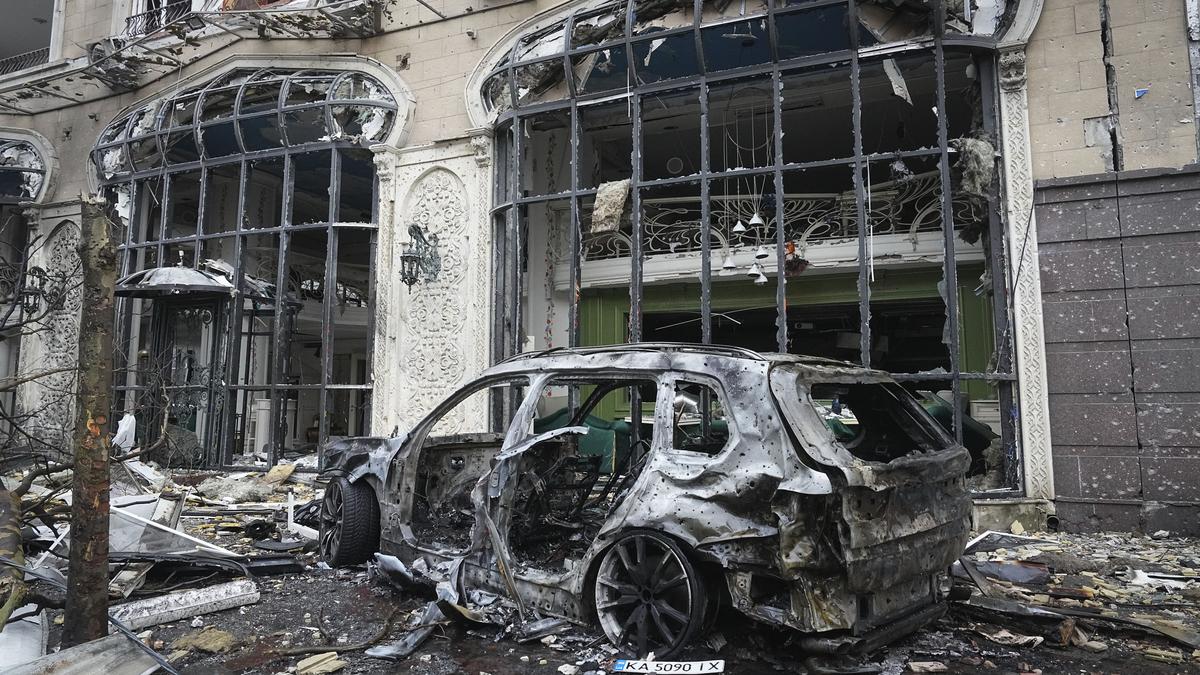
Thu Dec 26 07:08:20 UTC 2024: **2024: A Year of Global Conflict and Rising Civilian Casualties**
**New Delhi, Dec. 26, 2024** – The year 2024 witnessed a surge in global conflicts, resulting in over 200,000 deaths and a dramatic increase in violence against civilians, according to data from the Armed Conflict Location & Event Data Project (ACLED). The ongoing war in Ukraine, the escalating Israel-Palestine conflict, and renewed violence in Syria dominated headlines, reshaping geopolitical alliances and leaving a trail of devastation.
The Russia-Ukraine war, which began in 2022, continued throughout 2024, further complicated by the October 2023 Hamas attack on Gaza, triggering a major Israeli retaliation and wider regional conflict. This involved Israel’s actions against Iranian proxies, including Hezbollah in Lebanon and Houthi rebels in Yemen, culminating in a September escalation targeting Hezbollah. While a November ceasefire eased regional tensions, the Syrian conflict reignited with rebel victories against the Assad regime.
The election of Donald Trump as U.S. President in November is anticipated to significantly impact the Ukraine conflict, potentially altering the level of American support for Ukraine. Meanwhile, the weakening of Iranian proxies has allowed Israel to consolidate its regional influence.
ACLED’s Conflict Index, ranking countries based on fatalities, violence against civilians, violence spread, and the number of non-state armed groups, listed Palestine, Myanmar, Syria, Mexico, Nigeria, Brazil, Lebanon, Sudan, Cameroon, and Colombia as “extreme-conflict” countries in the year leading up to December 12, 2024.
Ukraine, Palestine, and Myanmar accounted for roughly half of the year’s 200,000 conflict-related deaths. A particularly alarming trend is the sharp rise in civilian casualties from targeted violence, averaging approximately 5,500 deaths per month in 2024, a significant increase from previous years. While the absolute number of people affected by conflict in some areas may be lower than in others, the percentage of the population exposed is significantly higher in places like Palestine and Lebanon, indicating a more pervasive impact.
The report concludes with a call for increased international diplomacy, conflict resolution initiatives, and humanitarian aid to prevent the perpetuation of violence and suffering.
 First Piper