
Wed Dec 25 17:31:56 UTC 2024: ## US and China Extend Key Science and Technology Agreement Amidst Rising Tensions
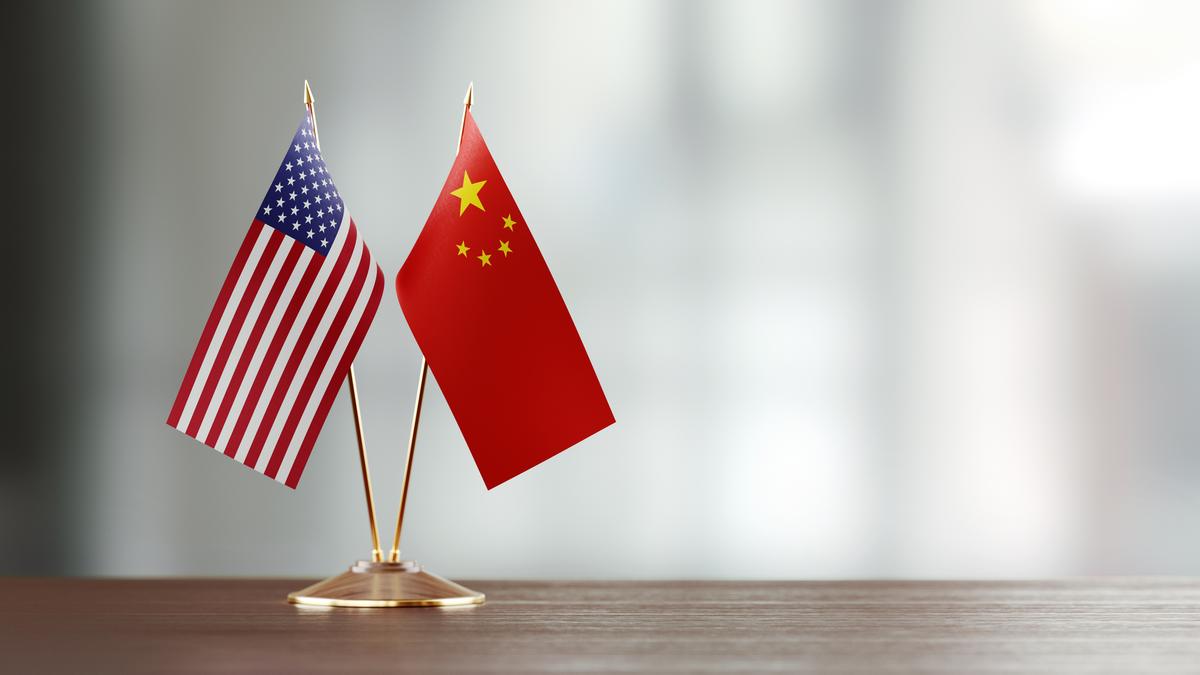
**Washington/Beijing, Dec 25, 2024** – The United States and China have extended their landmark Agreement on Cooperation in Science and Technology for another five years, effectively silencing concerns over its future. The agreement, initially signed in 1979, has been a cornerstone of bilateral scientific collaboration, but recent tensions over technology dominance and intellectual property rights had cast doubt on its renewal.
The renewed agreement, amended to address US concerns, will focus on basic research and pre-identified areas of mutual benefit, excluding cooperation in critical and emerging technologies. This revised scope aims to mitigate anxieties about China gaining an unfair advantage. Measures to enhance researcher safety and data reciprocity have also been added.
While the agreement’s success has been undeniable, contributing significantly to China’s rise as a global science and technology leader, its very achievements prompted a reevaluation by the US. Concerns centered on China’s ability to commercialize research findings without providing reciprocal benefits to the US, as highlighted by a Congressional Research Service report detailing hundreds of Chinese patents stemming from agreement projects.
The US considered three options: a standard five-year renewal, termination, or a modified renewal with restrictions. The decision to proceed with a modified agreement suggests that despite significant reservations, the outgoing administration prioritized maintaining a channel of scientific engagement with China. The incoming Trump administration is expected to maintain the agreement, albeit potentially with further limitations.
The agreement’s significance extends beyond its immediate impact. It underscores the complex interplay between scientific collaboration and geopolitical competition, demonstrating that even amidst rising tensions, dialogue and cooperation in certain scientific fields can persist. However, the need for capacity-building and sustained investment in R&D to fully realize the benefits of such agreements remains crucial, particularly in light of China’s remarkable scientific progress since 1979. The agreement serves as a potent reminder of the intertwined nature of scientific advancement and national interests in the 21st century.
 First Piper