
Wed Dec 25 07:49:20 UTC 2024: ## Political Dynasties Dominate Global Leadership in 2024
**December 25, 2024** – A wave of political dynasties swept across the globe in 2024, with several countries electing leaders who are direct relatives of former presidents or prime ministers. This trend, evident in Asia, Africa, and the Americas, highlights the enduring influence of established political families.
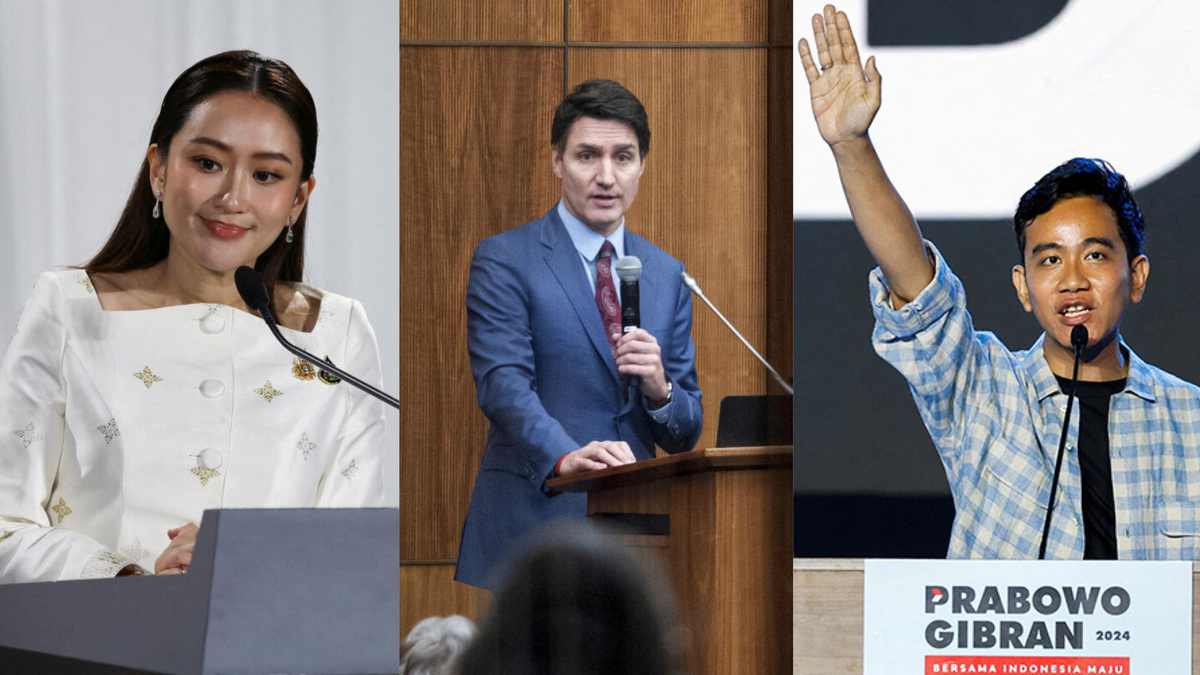
Seven Asian nations saw the rise of political heirs: Sheikh Hasina secured her fifth term as Bangladesh’s Prime Minister; Indonesia elected Prabowo Subianto, married to the daughter of former President Suharto, as President, with Gibran Rakabuming Raka, son of President Joko Widodo, as his Vice-President. Pakistan re-elected Shehbaz Sharif, brother of former Prime Minister Nawaz Sharif, with Asif Ali Zardari, widower of former Prime Minister Benazir Bhutto, as President. Thailand appointed Paetongtarn Shinawatra, daughter of former Prime Minister Thaksin Shinawatra, as its youngest Prime Minister. Other Asian nations led by political heirs include North Korea (Kim Jong-un), the Philippines (Ferdinand Romualdez Marcos Jr.), and Cambodia (Hun Manet).
Beyond Asia, Justin Trudeau continued his reign as Canada’s Prime Minister, following in his father Pierre Elliot Trudeau’s footsteps. While Uruguay’s Luis Lacalle Pou, son of a former president, lost his re-election bid, other global examples include Malta’s Robert Abela.
The article details the individual journeys of these leaders, highlighting both their successes and the controversies surrounding their ascents to power. Sheikh Hasina’s controversial fifth term, marked by protests and a subsequent resignation, contrasted with the landslide victories of others, like Prabowo Subianto in Indonesia. The article also touches upon the complexities of the legacies inherited – from the human rights abuses associated with the Marcos regime in the Philippines to the long authoritarian rule of the Kim dynasty in North Korea. The diverse paths to power, ranging from contested elections to seemingly unopposed wins, underscore the varied political landscapes these leaders navigated. The continued prevalence of political dynasties raises questions about democratic processes and the potential for entrenched power structures.
 First Piper