
Tue Dec 24 00:00:00 UTC 2024: ## Octopuses’ Intelligence Sparks Debate Over Ethical Treatment and Farming Bans
**San Diego, CA (December 24, 2024)** – Growing evidence of cephalopod intelligence is prompting calls for stricter regulations on their treatment and a reassessment of practices like octopus farming. A recent article in *The Conversation*, written by neuroscience professor Rachel Blaser, highlights the complex cognitive abilities of octopuses and cuttlefish, challenging the ethical implications of current practices.
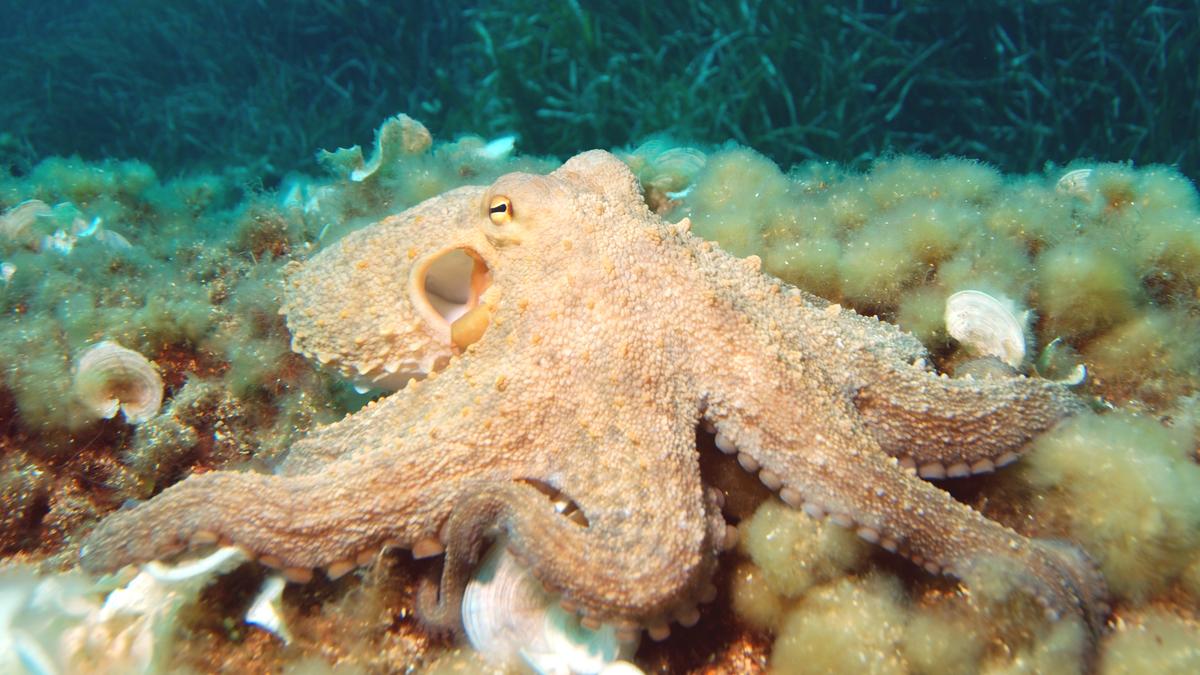
Professor Blaser’s research, focusing on the common octopus and cuttlefish, reveals sophisticated behaviors like visual camouflage, complex learning, and even delayed gratification. These species demonstrate a level of intelligence comparable to some vertebrates, raising questions about whether existing animal welfare standards should extend to cephalopods.
The debate is fueled by recent legislative actions. California and Washington have banned octopus farming in 2024, while Hawaii is considering similar legislation. A proposed octopus farm in Spain’s Canary Islands is facing strong opposition from scientists and animal welfare advocates. Concerns extend beyond ethical treatment to potential environmental hazards, such as waste and pathogen release from aquaculture facilities.
While the exact measurement of intelligence remains challenging across species, Professor Blaser points to factors like neuron count, brain complexity, and learning capacity as indicators. The octopus’s unique nervous system, with significant neural processing occurring in its arms, further complicates comparisons with vertebrates. However, behavioral studies consistently demonstrate advanced cognitive skills that merit consideration.
The article concludes by advocating for the development of ethical guidelines for cephalopod research and husbandry, mirroring existing standards for vertebrates. This includes considerations for housing conditions that cater to the animals’ natural behaviors and intelligence level. The discussion underscores the need to broaden the scope of animal welfare to include invertebrates with complex cognitive capabilities, pushing for a paradigm shift in how we view and interact with cephalopods.
 First Piper