
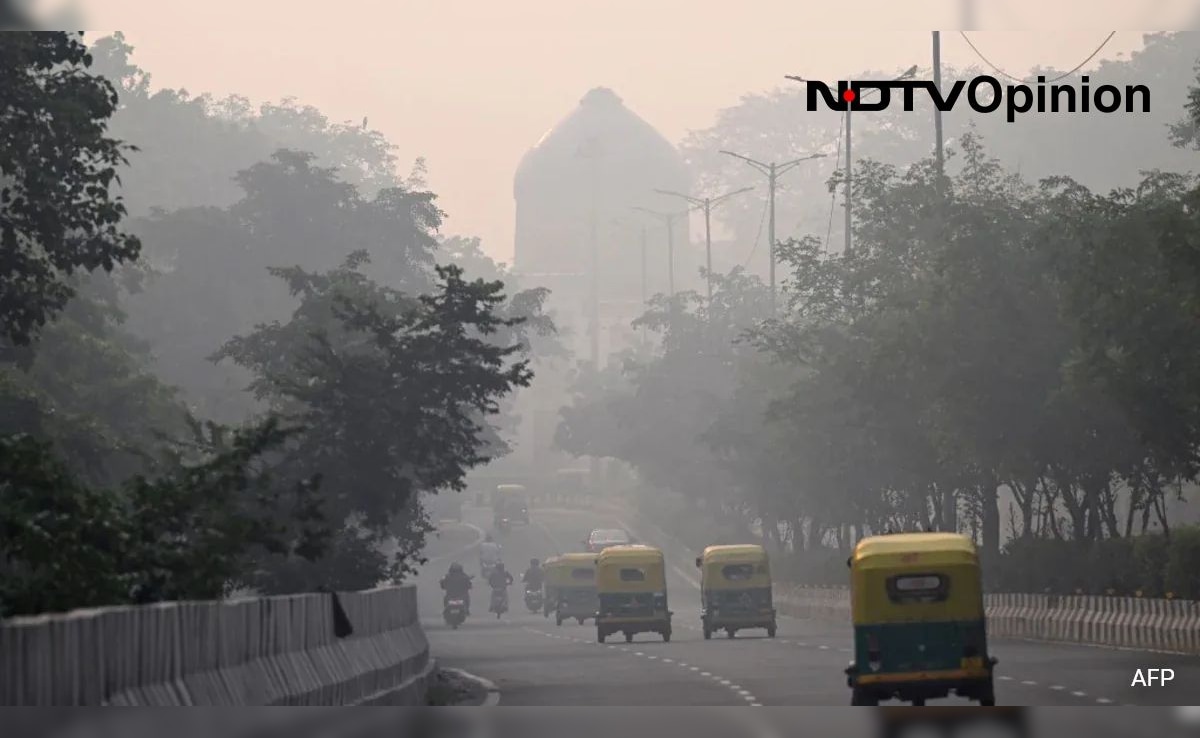
Tue Dec 10 07:49:30 UTC 2024: ## India’s Air Pollution Crisis: A Silent Killer Exposing Deep Inequities
**NEW DELHI** – A personal journey of returning to India from California has turned into a twelve-year fight for clean air, revealing the devastating and pervasive effects of India’s air pollution crisis. Jyoti Pande Lavakare, author of “Breathing Here is Injurious to Your Health” and co-founder of Care for Air, details the shocking realities in a recent opinion piece.
Lavakare’s decision to return to India was driven by a desire to immerse her children in their culture and family. However, the harsh reality of Delhi’s toxic air quickly overshadowed this dream. What began as denial evolved into a determined fight for clean air, fueled by the loss of her mother to lung cancer, possibly triggered by pollution.
Lavakare highlights five crucial points often overlooked:
1. **No safe levels:** There are no safe levels of air pollution. Even relatively low levels contribute to disease and death, impacting millions annually.
2. **Year-round problem:** Air pollution is not a seasonal issue; India suffers from consistently high pollution levels, dramatically worsening in winter. This normalization of poor air quality is a grave concern.
3. **National crisis:** While northern India bears the brunt of the problem, over 90% of India breathes polluted air. Cities across the country, including Mumbai, Bengaluru, Hyderabad, and Chennai, experience dangerously high levels of pollutants. Rural areas are also increasingly affected by indoor air pollution.
4. **Widespread damage:** Air pollution harms every organ, not just the respiratory system. Studies link it to increased heart attacks and strokes, particularly among younger populations.
5. **Social inequity:** The burden of air pollution disproportionately affects vulnerable populations like waste pickers, construction workers, and traffic police, who lack access to healthcare and protective measures.
Lavakare concludes by emphasizing the irreversible, long-term effects of air pollution and the urgent need for sustainable development that prioritizes public health. She calls for a shift from prioritizing economic growth to focusing on improving the quality of life for all Indians through access to healthcare and a cleaner environment. The author advocates for a change in mindset from accepting poor air quality to demanding clean air as a fundamental right.
 First Piper