
Sat Nov 23 03:20:00 UTC 2024: ## Shapiro Halts SEPTA’s “Death Spiral” with Emergency Funding, But Long-Term Solution Remains Elusive
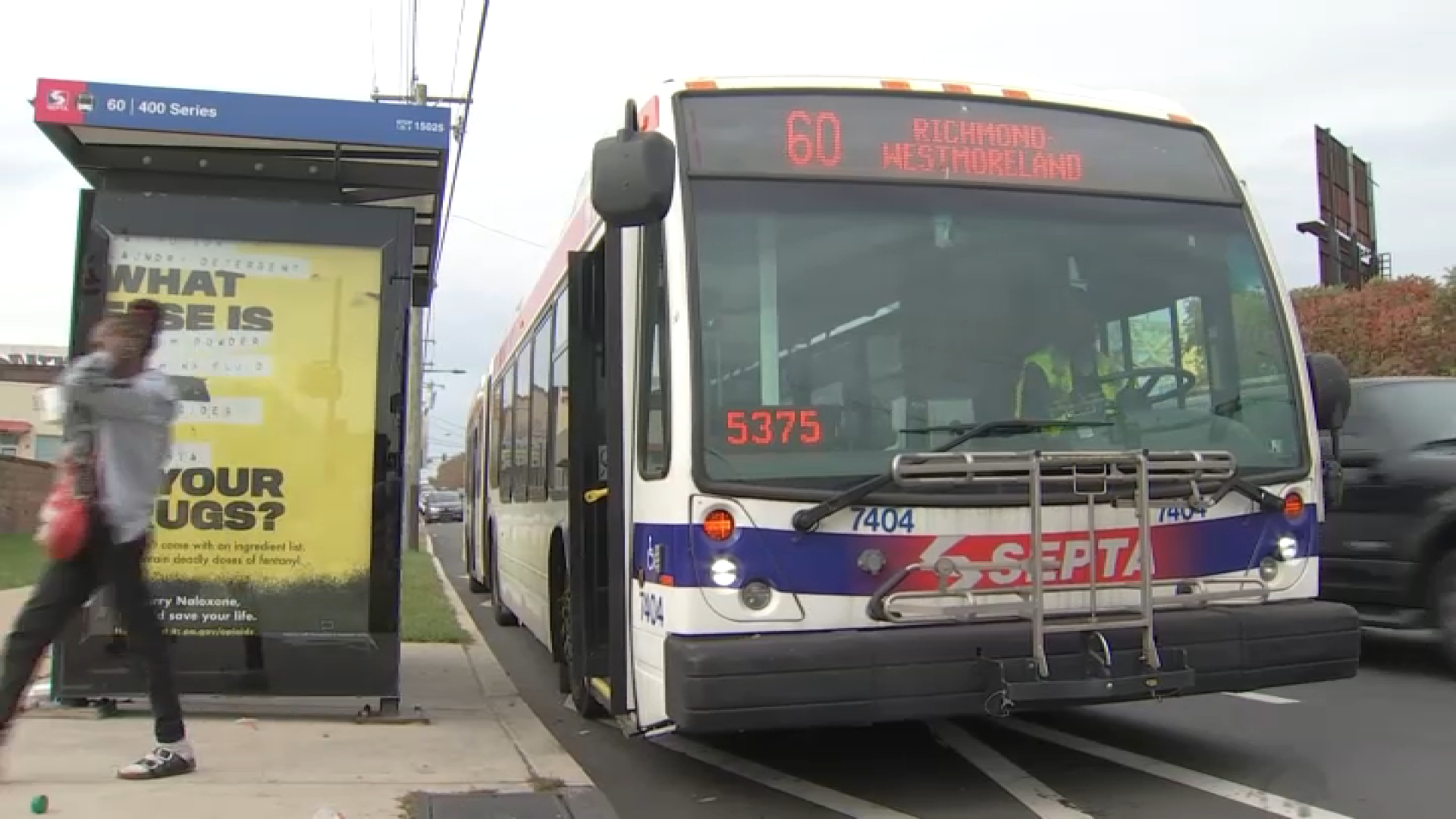
**Philadelphia, PA** – Pennsylvania Governor Josh Shapiro announced Friday a $153 million emergency bailout for the Southeastern Pennsylvania Transportation Authority (SEPTA), averting immediate service cuts and a drastic fare hike planned for January 2025. The funds, redirected from seven unstarted state highway projects, will temporarily prevent what SEPTA had warned was an impending “transit death spiral.”
The bailout comes after SEPTA projected a $240 million annual budget deficit, leading the agency to propose a 29% fare increase and 20% service reduction. This drastic measure was necessitated by the failure of a state budget proposal that would have provided $161 million in recurring funding. While a smaller, 7.5% fare increase takes effect in December, the larger increases and service cuts are now postponed until at least July 1, 2025.
Governor Shapiro emphasized that this is a temporary fix. He highlighted his proposed budget, which included a dedicated sales tax revenue stream to provide $282.8 million annually for mass transit, a proposal that failed to pass the Republican-controlled state Senate. He blamed the Senate for the crisis, pointing to their demands for increased road and bridge funding, and a new revenue stream, conditions he claims to have met.
Senate President Pro Tempore Kim Ward countered, criticizing the Governor’s handling of the situation and prioritizing education funding over mass transit.
Philadelphia Mayor Cherelle Parker joined Shapiro in urging the Senate to pass the necessary funding, stressing the importance of SEPTA’s reliable operation for the city’s economy and upcoming major events in 2026, including America’s 250th anniversary and the FIFA World Cup.
While the emergency funding prevents immediate service disruptions and averts a looming strike by transport workers, the long-term financial stability of SEPTA remains uncertain, pending a resolution from the state legislature. The Governor’s action requires federal approval before becoming official.
 First Piper