
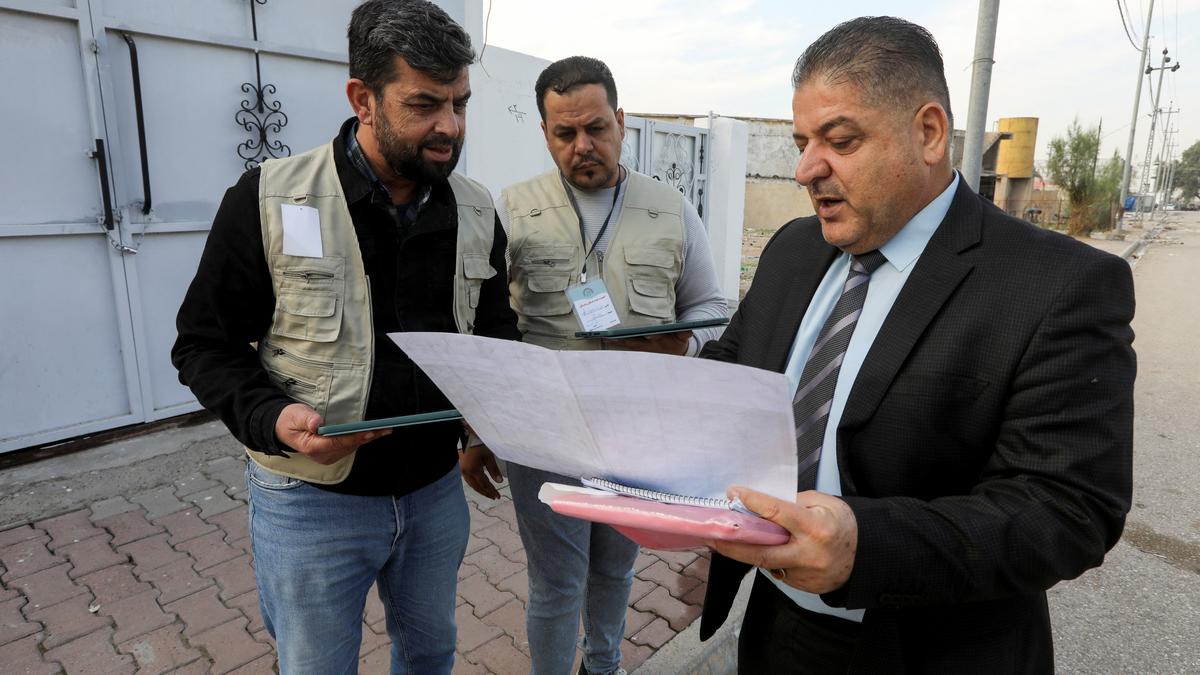
Wed Nov 20 06:48:43 UTC 2024: ## Iraq Conducts First Nationwide Census in Decades Amidst Political Tensions
**Baghdad, Iraq –** Iraq launched its first nationwide population census in over three decades on November 20, 2024, a significant undertaking aimed at modernizing data collection and informing future planning. The census, however, is not without controversy. Its results will directly impact resource allocation, budget distribution, and development planning, sparking concerns among minority groups who fear a decline in their documented numbers could lessen their political influence and economic benefits within the country’s sectarian power-sharing system.
The census is particularly sensitive in disputed territories like Kirkuk, Diyala, and Mosul, where control is contested between the central government and the Kurdish Regional Government. Agreements were reached between high-level officials to ensure a fair process, employing researchers from all major ethnic groups in these areas.
The last nationwide census was conducted in 1987, with a subsequent 1997 count excluding the Kurdish region. This new census, utilizing advanced technologies, aims to provide a comprehensive overview of Iraq’s demographic, social, and economic landscape. Approximately 120,000 census workers will survey households across the country. A nationwide curfew was implemented to facilitate the count, with exceptions for humanitarian needs.
The census employs the “de jure” method, counting individuals in their current place of residence, including internally displaced persons. However, it excludes Iraqis residing abroad or those forcibly displaced to other countries. The estimated population is 44.5 million, with the Kurdish region’s current 12% share of the national budget based on an estimated population of 6 million. The census will also clarify the number of public employees in the Kurdish region.
By order of the federal court, questions regarding ethnicity and sectarian affiliation were excluded, focusing instead on broader religious categories to mitigate potential tensions. International observers will monitor the process to ensure data quality. While the census is intended to be developmental, it is widely recognized that the data will inevitably have significant political and economic implications, potentially reshaping future decision-making. Some believe delays were influenced by political considerations, including reluctance to release data on poverty levels. Religious leaders across Iraq have urged citizens to participate in the census.
 First Piper