
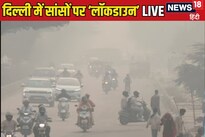
Tue Nov 19 21:56:15 UTC 2024: ## Delhi Chokes Under Severe Air Pollution; Government Pleads for Central Intervention
**New Delhi, India** – Delhi is grappling with a severe air pollution crisis, with the Air Quality Index (AQI) remaining in the “severe-plus” category for the third consecutive day. On Tuesday, the 24-hour average AQI reached 460, slightly improved from Monday’s 494, but still dangerously high. This is the second-worst air quality recorded since AQI monitoring began in 2015, according to the Central Pollution Control Board (CPCB). At least 23 of the city’s 32 monitoring stations registered AQIs above 450.
The Delhi government has implemented the fourth stage of the Graded Response Action Plan (GRAP), including a ban on construction and demolition activities, and restrictions on diesel vehicles. Environment Minister Gopal Rai urged the central government to convene an emergency meeting to address the crisis and approve cloud seeding for artificial rain, a solution he has requested repeatedly since August. He expressed disappointment over the lack of response from the central government despite multiple letters.
Rai also appealed to Prime Minister Narendra Modi for intervention, stating it’s his “moral responsibility” to address this public health emergency. The minister emphasized that only a significant increase in wind speed or artificial/natural rain can alleviate the smog.
The alarming pollution levels have led to widespread health concerns. Delhi’s health department has instructed hospitals to form expert teams to treat respiratory illnesses and monitor the increasing number of cases.
Meanwhile, neighboring Haryana implemented work-from-home orders in Gurugram and Faridabad. In Uttar Pradesh, schools in eight districts bordering the National Capital Region (NCR) have shifted to online classes.
The Delhi Transport Corporation (DTC) continues to face challenges due to a strike by contract drivers and conductors, adding to the difficulties faced by commuters. BJP workers protested against the AAP government, blaming it for the crisis. The possibility of implementing an odd-even vehicle rationing scheme is under consideration, but the government is analyzing its potential effectiveness. The situation remains critical, with residents reporting severe respiratory problems and eye irritation.
 First Piper