
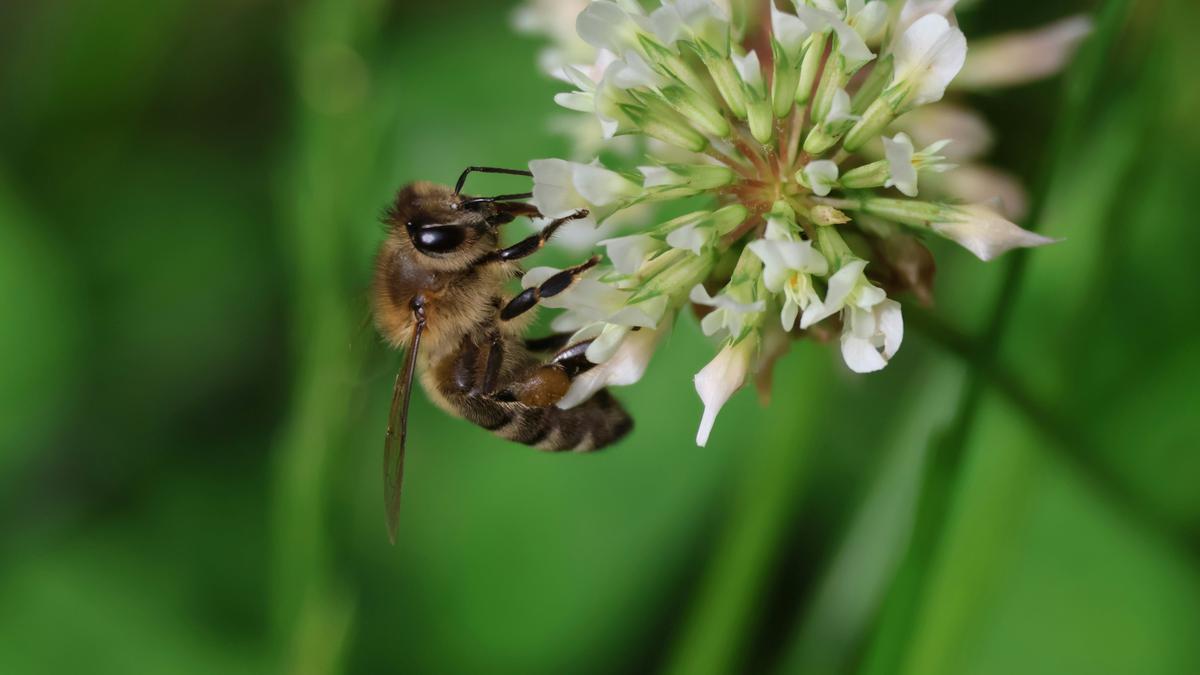
Mon Nov 18 00:00:00 UTC 2024: ## Invasive Honeybees Threaten India’s Native Pollinators
**Bengaluru, India – November 18, 2024** – The introduction of Western honeybees to India is raising concerns about the health of native pollinator populations, according to new research. A significant portion of global food production relies on pollinators, and threats like pesticides, pollution, and climate change are already impacting their numbers. Now, infectious diseases are emerging as a major concern, exacerbated by habitat loss and the interaction between managed and wild bee species.
While the decline of pollinators in Europe and North America is well-documented, data from biodiversity hotspots like India are scarce. A recent study published in *Nature Ecology and Evolution* found that Western honeybees can act as reservoirs for viruses like deformed wing virus and black queen virus, transmitting them to wild bees and hoverflies. The study, conducted in Switzerland, revealed a tenfold increase in pathogen loads in wild pollinators sharing habitats with Western honeybees. The researchers suggest that diverse habitats with abundant floral resources can mitigate this risk.
India, home to over 700 bee species, including four indigenous honeybee varieties, introduced Western honeybees in 1983 to boost honey production. However, this has coincided with outbreaks of diseases such as the Thai sacbrood virus, which devastated Asiatic honeybee colonies in South India in the early 1990s and reappeared in 2021. This virus, highly lethal to Asiatic honeybees, is a significant threat to native pollinators.
Experts warn that the migration of managed Western honeybees, often carried by beekeepers to areas rich in bee flora, further increases the risk of disease transmission and competition for resources with native bees. Anecdotal evidence suggests that the introduction of Western honeybees has led to the decline of indigenous pollinators and a drastic reduction in forest honey production in some regions.
Researchers stress the urgent need for more research and surveillance to monitor emerging diseases in Indian pollinators. Controlling diseases in managed honeybee colonies is considered crucial to minimizing the risk of spillover to wild populations. Protecting India’s diverse pollinator community is vital for maintaining agricultural productivity and food security.
 First Piper