
Mon Nov 18 11:56:11 UTC 2024: ## Plankton’s Struggle to Adapt to Rapid Climate Change Threatens Marine Ecosystem
**Bristol, UK** – A new study published in *Nature* reveals that marine plankton, crucial to the global ecosystem, may be unable to adapt to the unprecedented speed of current climate change. Researchers at the University of Bristol examined the response of *Foraminifera*, a type of plankton, to past and future warming scenarios, using fossil records and computational models.
While *Foraminifera* successfully adapted to warming during the last ice age, the study shows their capacity to adapt is severely limited by the rapid pace of human-induced climate change. This rapid warming, coupled with ocean stratification and reduced food supply, is hindering the plankton’s ability to cope.
Global temperatures are predicted to surpass the critical 1.5°C threshold for the first time this year, far sooner than anticipated. This rapid warming is impacting plankton distribution, with models projecting shifts towards the poles and losses in the tropics—changes not fully captured by existing data.
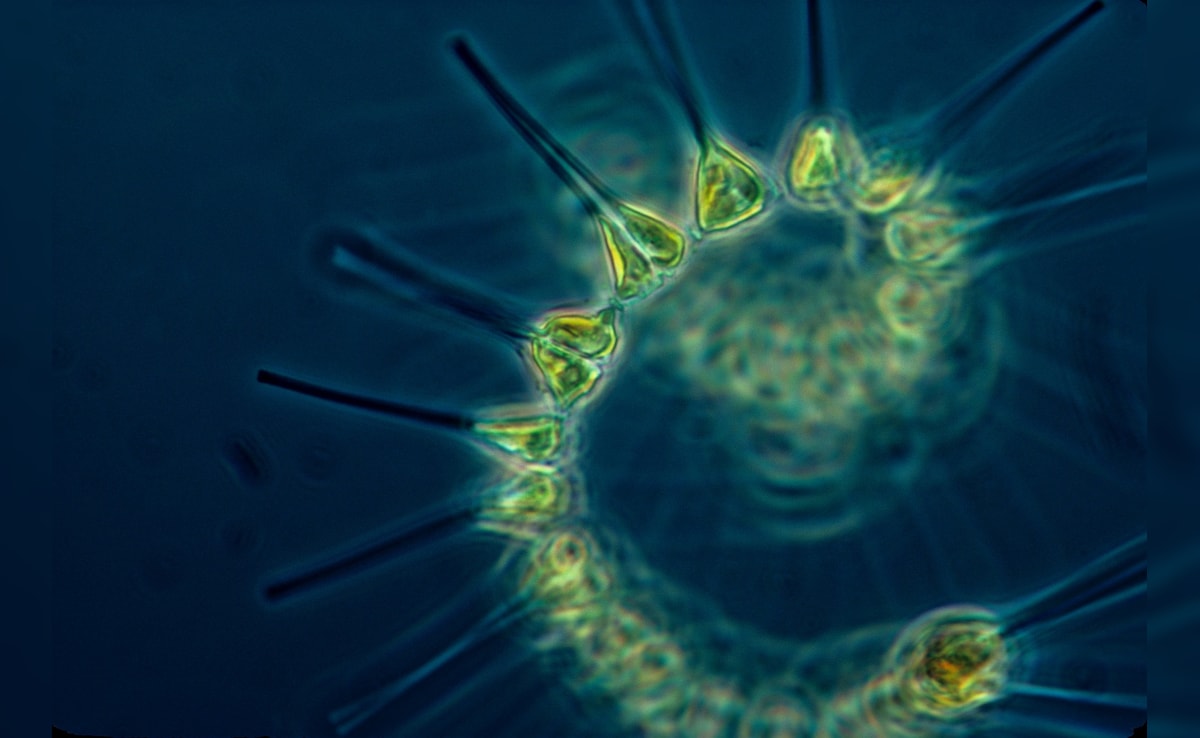
The study highlights the vital role of plankton in the marine food web. Phytoplankton generates approximately half the world’s oxygen and stores significant amounts of carbon. Their decline would trigger a cascade of effects, impacting fish populations, marine mammals, and ultimately, human food security, as many communities rely on the ocean for protein.
The researchers emphasize the urgent need to mitigate climate change to protect the health of the ocean and the vital services it provides. Slowing the rate of warming is crucial to give plankton, and the entire marine ecosystem, a fighting chance for survival. The study’s authors, Dr. Rui Ying and Professor Daniela Schmidt, call for immediate action to reduce warming and safeguard this essential component of the global ecosystem.
 First Piper