
Mon Nov 18 03:30:00 UTC 2024: ## Lakshadweep Documentary Highlights Sustainable Fishing Practices Amidst Climate Change Threats
**Bengaluru, November 18, 2024** – A new documentary film, “Choora” (Tuna), showcases the sustainable fishing practices of the Lakshadweep Islands and the challenges they face due to climate change. The film, a collaborative effort between filmmaker Anand Ramakrishnan and the Nature Conservation Foundation (NCF), is the first in a series titled “Ways of Life” focusing on island livelihoods.
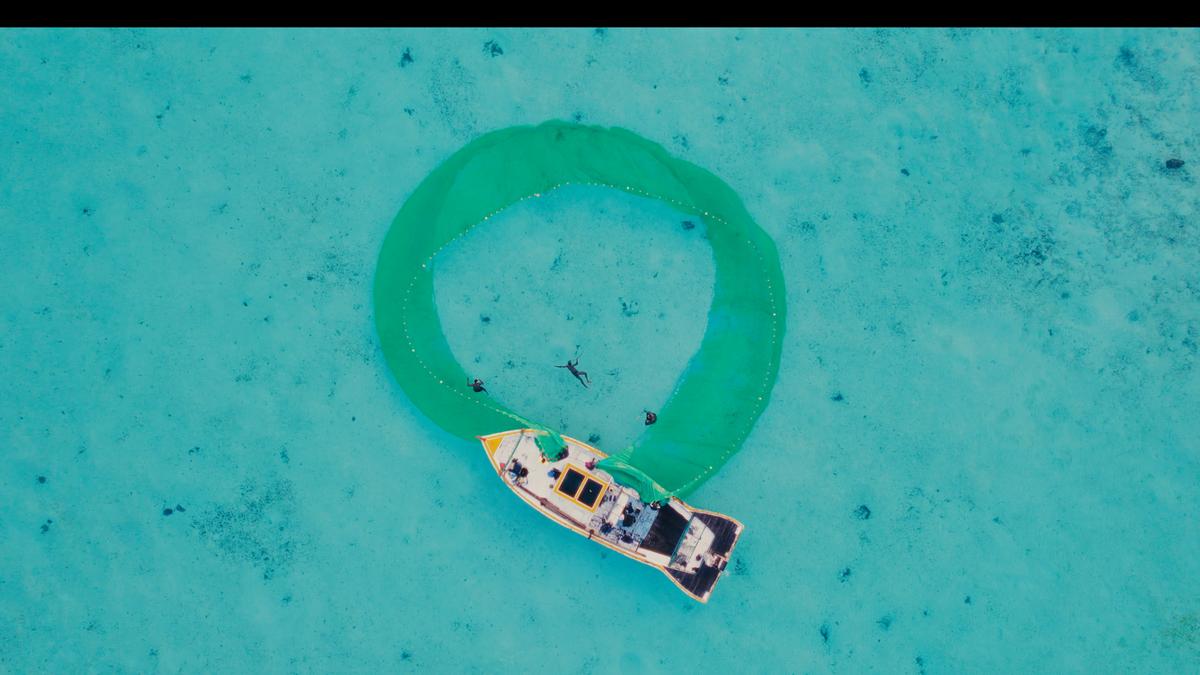
“Choora” follows the daily life of Kauthar, a fishing boat and its crew, highlighting their unique pole and line fishing technique for catching skipjack tuna. This method, considered one of the most sustainable in the world, ensures minimal bycatch and allows fishermen to control their catch. The film beautifully captures the breathtaking scenery of Lakshadweep, emphasizing the islanders’ deep connection to the ocean and their traditional knowledge.
However, the documentary also underscores the vulnerability of the Lakshadweep Islands to climate change. The film’s protagonist, Abdul Nassar, poignantly observes the changes in the sea, fish populations, and the lives of the islanders themselves. NCF researchers highlight the impact of climate change on the coral reefs, crucial to the island’s ecosystem and livelihoods. The film aims to convey both the fragility of the island’s existence and the resilience of its people.
Ramakrishnan, who single-handedly shot the film using four cameras over a single day at sea, describes the process as challenging but rewarding. He emphasizes the film’s celebratory tone, focusing on the positive aspects of island life and sustainable practices rather than dwelling solely on the challenges. Future installments in the “Ways of Life” series will continue to explore various aspects of island livelihoods. The film’s creators hope “Choora” will not only raise awareness about Lakshadweep’s unique culture and sustainable practices but also inspire other coastal communities to adopt similar approaches in the face of climate change.
 First Piper