
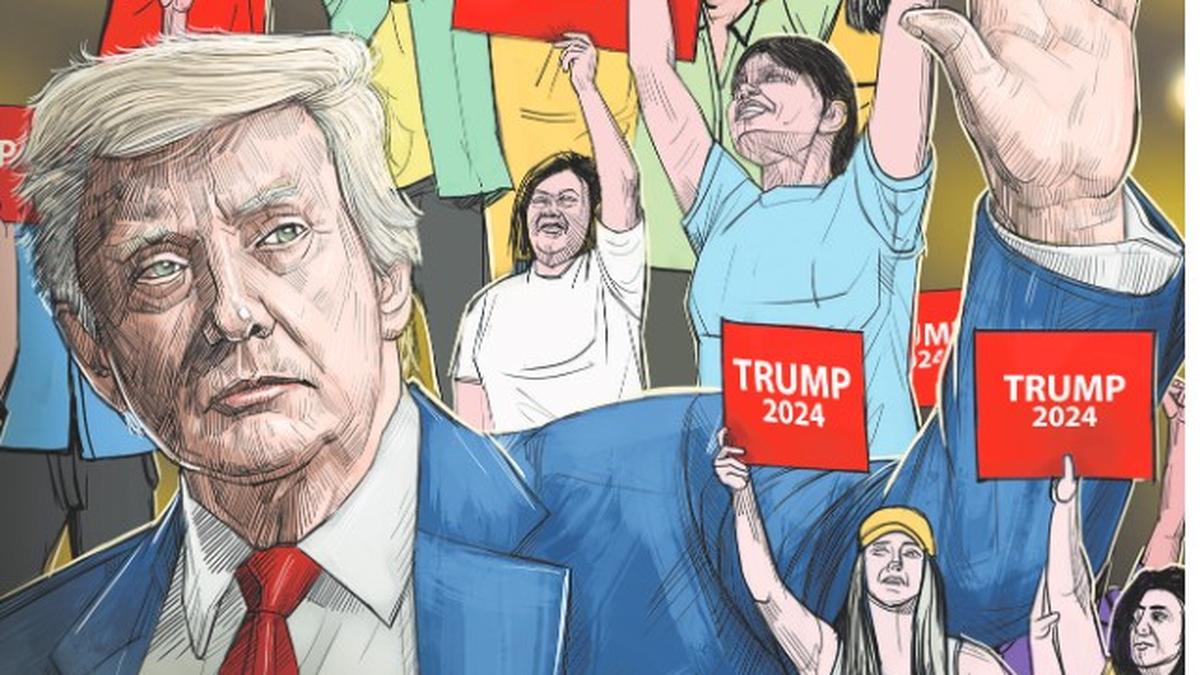
Sat Nov 09 19:32:00 UTC 2024: ## Trump’s MAGA Movement Triumphs: A Coalition of the Disenfranchised
**Washington, D.C. – November 10, 2024** – Donald Trump’s Make America Great Again (MAGA) movement has secured a resounding victory in the 2024 US Presidential election, capturing the White House once again. This win, fueled by a diverse coalition of voters, marks a significant shift in American politics and underscores the growing appeal of a populist ideology.
While often characterized as a movement of white, Christian nationalists, MAGA’s success this year lies in its ability to resonate with a wider range of Americans. The movement’s core narrative – a nostalgic yearning for a lost American greatness, coupled with a resentment towards globalism’s economic and cultural effects – has struck a chord with many who feel disenfranchised and left behind.
The economic anxieties of the working class, exacerbated by decades of globalization and outsourcing, played a key role in Trump’s appeal. Additionally, the rise of a multiracial and multiethnic society, coupled with anxieties about religious and cultural change, further fueled MAGA’s popularity. Trump shrewdly tapped into these concerns, positioning himself as a champion for those who feel threatened by the changing face of America.
This election saw a significant increase in support for Trump among minority voters, including Latinos, Black Americans, and even sections of the Hindu and Muslim communities. These groups were attracted to Trump’s promises of economic prosperity and a return to traditional values, even while he actively courted the Christian right.
MAGA’s success also underscores the deep division within American society, a division that has only widened in recent years. While the movement’s rhetoric often invokes fear and resentment, its ability to attract a wide range of voters reveals a complex and evolving political landscape. The future of American democracy, once again, hinges on navigating the intricate tapestry of social, economic, and cultural anxieties that fuel these populist movements.
 First Piper