
Tue Nov 05 19:50:45 UTC 2024: ## Tamil Nadu’s Controversial Land Consolidation Act Sparks Outrage
**Chennai, India (November 6, 2024):** The Tamil Nadu Land Consolidation (for Special Projects) Act, 2023, which came into effect on October 18th, has ignited fierce debate. While the state government touts it as a necessary tool for streamlining land acquisition for large-scale infrastructure projects, critics see it as a dangerous threat to the state’s dwindling water bodies and the rights of local communities.
The Act aims to simplify land consolidation for “special projects” encompassing infrastructure, industry, agriculture, and commercial developments requiring at least 100 hectares. It allows for the acquisition of land, including water bodies, in exchange for land elsewhere. While the government claims it’s a means of protecting water channels, critics argue it’s an avenue for unchecked land acquisition and privatization of water resources.
The Act’s fast-tracked passage without sufficient discussion has raised alarm bells. Concerns revolve around the government’s ability to designate any project requiring over 100 hectares as “special,” bypassing environmental impact assessments and community consultations.
Activists fear this will enable large-scale infrastructure projects to proceed unchecked, with little regard for environmental impact or the interests of local communities. The decision-making power rests solely with the government, as public hearings occur only after project approval.
Furthermore, the Act offers no explicit protections for farmers or other local stakeholders. Activists warn that once land is handed over to private corporations, local communities could be excluded from decision-making processes, severely limiting their access to vital water sources.
Despite the inclusion of an expert committee to review land consolidation proposals, environmental advocates remain skeptical due to the committee’s composition of government-appointed officials. They also criticize the Act’s failure to address the need for safeguarding hydrological pathways, crucial for maintaining the ecological balance of water bodies.
The Act’s compensation provisions for landowners are deemed insufficient, as they do not address the livelihoods of communities directly dependent on these ecosystems. The lack of a clear role for the Tamil Nadu Pollution Control Board in the land consolidation process is also a point of concern, especially considering the potential for pollution near water bodies.
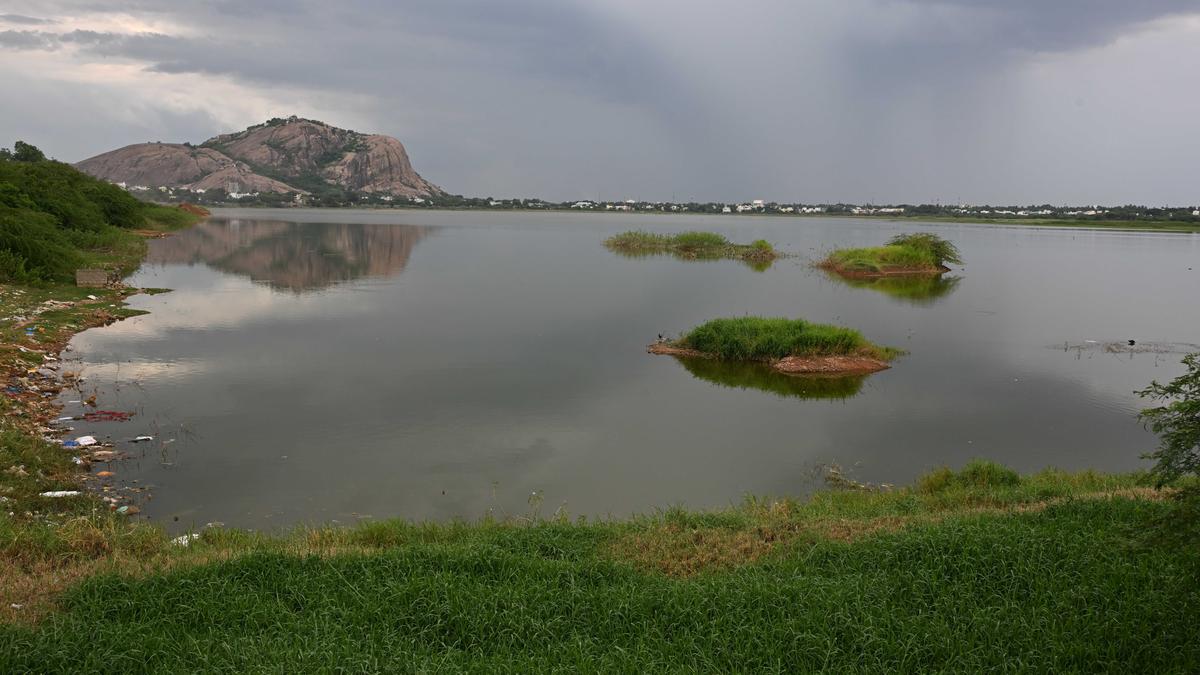
These concerns take on added significance in light of the 2021 Madras High Court report that revealed 47,707 acres of water body land in Tamil Nadu were under encroachment. This highlights the urgent need to protect these crucial ecosystems rather than sacrificing them for large projects.
The Act’s passage has sparked widespread protest, with environmentalists, farmers’ associations, and civil society groups demanding its repeal. The debate continues, with the future of Tamil Nadu’s water resources and the well-being of its communities hanging in the balance.
 First Piper