
Sat Nov 02 20:24:00 UTC 2024: ## Georgia’s Election Sparks Controversy Amidst Allegations of Russian Interference and Voter Fraud
**Tbilisi, Georgia -** The recent Georgian parliamentary elections, held on October 26th, have sparked widespread controversy and accusations of Russian interference. Despite pre-election polls predicting a loss for the ruling Georgian Dream (GD) party, the electoral authority declared victory for the pro-Moscow party with a 54% vote share.
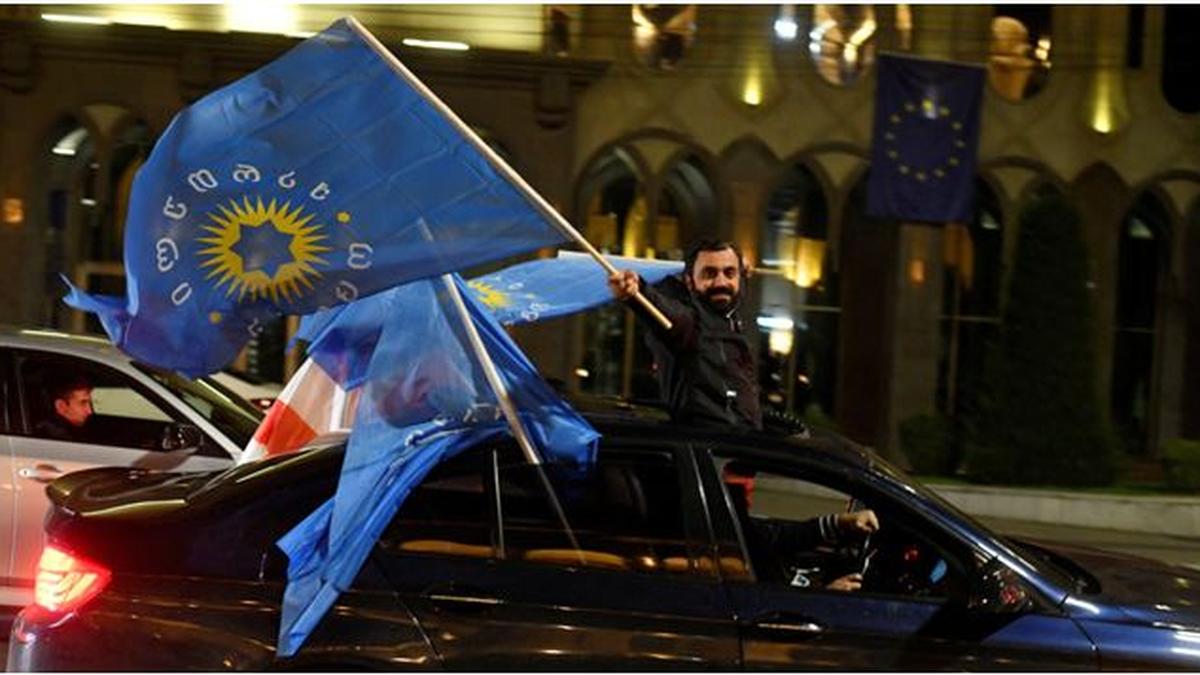
The election results have been met with widespread protests, with citizens taking to the streets to voice their discontent. The opposition parties, along with international observers, have raised concerns about the integrity of the election, citing discrepancies between pre-election polls and the final results. Two U.S.-based poll firms, Edison Research and HarrisX, have flagged inconsistencies and alleged manipulation of the vote.
Further fueling suspicions of foul play, the Georgian Interior Ministry arrested two individuals for ballot stuffing and initiated 47 criminal cases related to electoral violations.
While Western officials have stopped short of declaring the election stolen or calling for a boycott of the results, the U.S., EU, and NATO have joined Georgia’s pro-Europe President Salome Zurabishvili in condemning the outcome and alleging a “Russian special operation.”
Meanwhile, Russia has called for respecting the will of the Georgian people.
The Georgian Dream, established in 2012 by businessman Bidzina Ivanishvili, has been in power for over a decade, strategically aligning its policies with Russia. This shift has come amidst a growing divide between those who yearn for a pro-Western future and those who prioritize peace and stability in the face of Russia’s influence.
The election outcome has further intensified the ongoing debate about Georgia’s future trajectory. While a significant portion of the population, particularly the urban youth, seeks closer ties with the European Union, the Georgian Dream’s approach has seemingly distanced the country from the EU and steered it towards closer relations with Russia. This shift is evident in the recent adoption of controversial legislation mirroring Russian policies, hindering Georgia’s EU candidacy.
The extent of Russia’s interference in the Georgian elections remains unclear and will likely be a subject of further investigation. However, the controversy surrounding the election highlights the delicate geopolitical balance within the region and the influence of Russia in shaping the political landscape of former Soviet republics.
 First Piper