
Sat Nov 02 14:20:00 UTC 2024: ## Israel Cripples Iran’s Air Defenses in Devastating Strikes, Raising Stakes in Regional Conflict
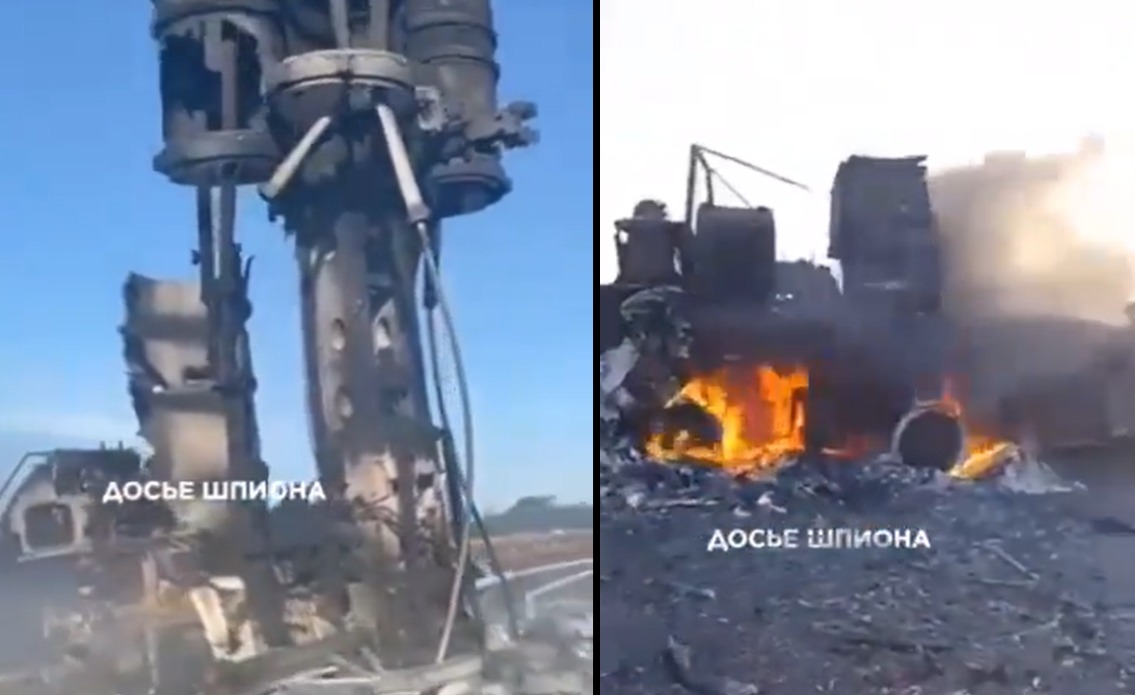
**Tel Aviv/Tehran -** In a bold move, Israel has reportedly neutralized Iran’s advanced Russian-made S-300 air defense systems in a series of devastating strikes, potentially opening the door for further military actions on Iranian soil.
Sources familiar with the operation, reported in The Wall Street Journal, revealed that Israel’s October 26th strikes targeted three operational S-300 units, effectively dismantling a key pillar of Iran’s aerial defenses. These strikes followed earlier operations that had already eliminated Iran’s other S-300 units, leaving the country highly vulnerable.
The operation, codenamed “Days of Repentance,” involved a barrage of nearly 100 missiles launched from Israeli fighter jets. Iranian forces reportedly intercepted few, if any, of these missiles, highlighting the effectiveness of the Israeli operation and the vulnerability of Iran’s defense infrastructure.
The strikes targeted not only air defense systems but also key missile production facilities operated by the Iranian Revolutionary Guards Corps, including the Falagh, Shaid Ghadiri, and Abdol Fath bases. Drone attacks were also carried out on Iran’s Parchin and Parand military sites, further weakening Iran’s military capabilities.
Experts believe these strikes could be a prelude to larger future offensives against Iranian assets, including nuclear sites. Ali Vaez, Iran Director at the International Crisis Group, stated: “This looks like a potential preamble to a much more effective strike against Iran’s infrastructure and even nuclear sites,” emphasizing Iran’s limited capacity to quickly replace its compromised defense systems.
The incident has raised concerns about Iran’s ability to protect its critical infrastructure and deter future attacks. The S-300 systems were considered a cornerstone of Iran’s defense, purchased in 2015 from Russia after years of delays due to UN sanctions.
However, the S-300’s effectiveness has been questioned in recent years, with the system showing signs of obsolescence in the face of modern aerial threats. Its limitations were further exposed in the ongoing conflict in Ukraine, where Ukrainian forces have successfully disabled Russian S-300 and S-400 systems.
The implications of these developments extend beyond the immediate conflict, potentially impacting Russian arms exports, which have already taken a significant hit since the invasion of Ukraine.
The recent strikes highlight the complex and volatile nature of the regional conflict and underscore the increasing tensions between Israel and Iran, with the potential for escalation remaining a significant concern.
 First Piper