
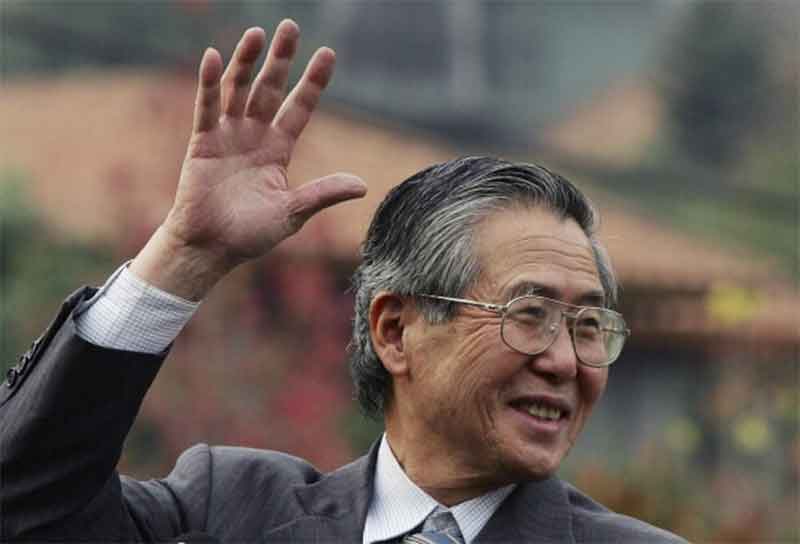
Mon Oct 07 21:14:11 UTC 2024: ## Fujimori’s Legacy: Neoliberalism’s Bloody Path?
The death of former Peruvian president Alberto Fujimori on September 11th has reignited debate about his controversial legacy. While lauded for his economic reforms that curbed hyperinflation and tackled terrorism, Fujimori’s rule was also marred by human rights abuses and corruption.
Fujimori’s “Fujishock” economic plan, heavily influenced by economist Hernando de Soto, embraced neoliberal principles, reducing tariffs, privatizing industries, and boosting labor market flexibility. This approach, dubbed “Fujimorism,” attracted support from Washington and Lima elites alike, contributing to a period of relative peace and prosperity.
However, Fujimori’s authoritarian streak soon emerged. He staged a self-coup in 1992, dissolving parliament and shutting down the media. His government was accused of widespread corruption, forced sterilizations, torture, kidnappings, and the formation of death squads.
Despite these atrocities, Fujimori remains a polarizing figure. While his daughter, Keiko, continues to hold political power, the Peruvian government declared three days of national mourning after his death.
This complex legacy highlights the inherent tension within neoliberalism. While it can deliver economic gains, these often come at the cost of human rights and democratic principles. Professor Antara Haldar of Cambridge University argues that Fujimori’s story serves as a reminder that neoliberalism is less about institutions and more about power, often resulting in state violence.
The author concludes by calling for a reevaluation of neoliberalism, urging a rejection of its bloody path and the embrace of a more humane and just approach to development.
 First Piper