
Sat Oct 05 23:00:00 UTC 2024: ## Minnesota: A State Facing a Crossroads
**St. Paul, MN** – While Minnesota consistently ranks among the “Best States” in the country, recent trends suggest that the state’s success may be waning. A guest commentary in the Star Tribune raises concerns about Minnesota’s current struggles, attributing them to a mismatch between the state’s historical strengths and the challenges of the modern era.
The piece, penned by Brandon Ferdig, points to Minnesota’s longstanding reputation for “The Good Life,” as documented in a 1973 Time magazine cover story. The article highlights Minnesota’s “unnaturally clean” politics, low crime rate, and thriving economy, all built on a foundation of hard work, community, and social responsibility.
However, Ferdig argues that this success was built upon a homogeneous society and a more static world. He identifies Minnesota’s cultural traits, such as indirectness and a reluctance to confront issues, as potential weaknesses in a rapidly diversifying and globalized world.
He further points to Minnesota’s “welcoming-but-distant” nature, as documented in a 2013 study, as a contributing factor to the state’s growing racial wealth gap. The state’s tendency towards “Minnesota Nice,” while positive in some contexts, can hinder open and direct communication, particularly when dealing with complex social challenges.
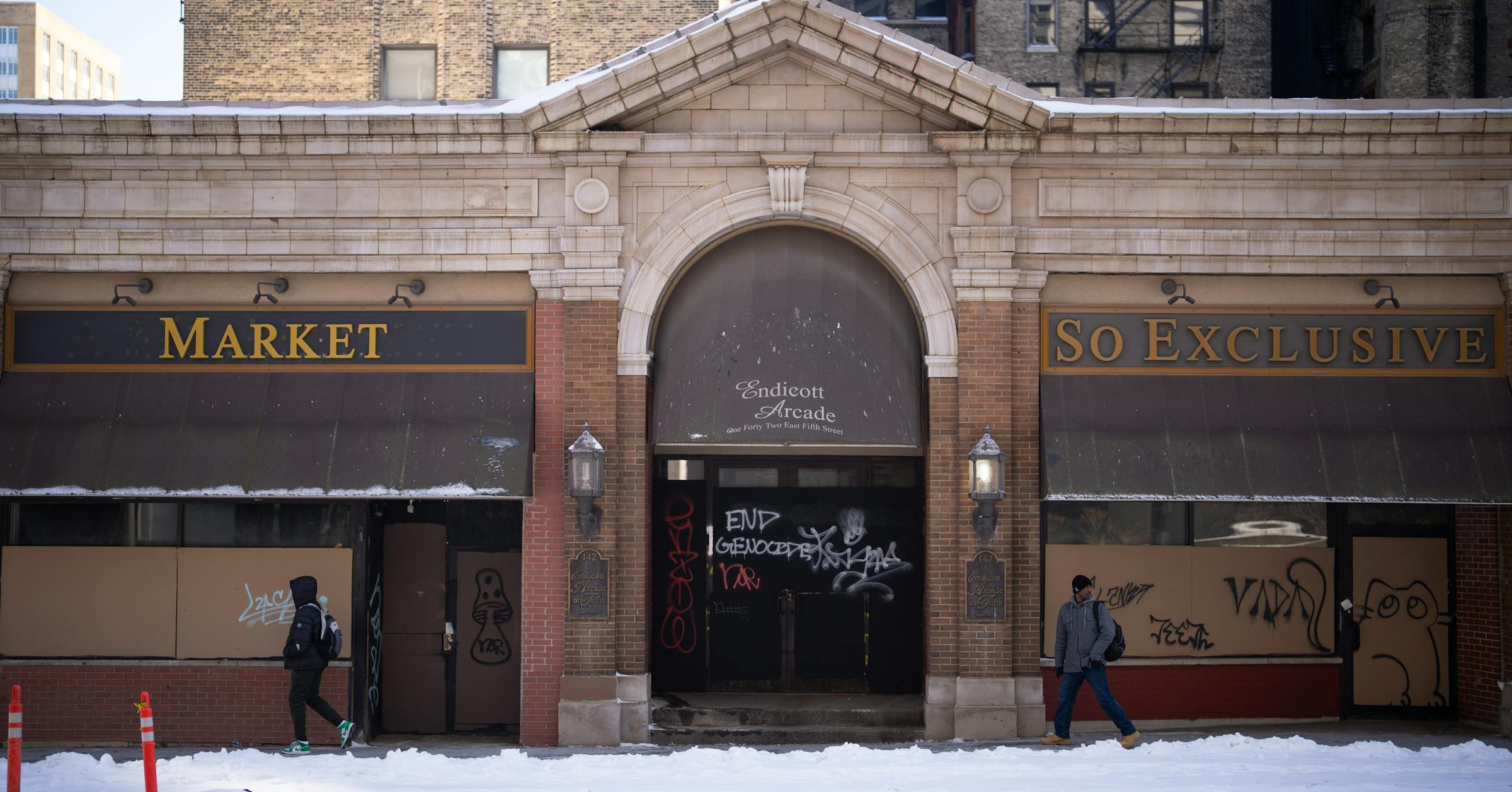
The article notes that Minnesota’s “fragile bedrock” is now evident in rising crime rates, political polarization, and growing dissatisfaction among residents. Ferdig suggests that the state’s strengths are no longer sufficient to address these challenges, highlighting the need for a more nuanced approach to social issues and a greater willingness to embrace change.
The commentary concludes by urging Minnesota to rediscover its balance, embrace diversity, and prioritize unity. Ferdig emphasizes the need to learn from other states and to utilize technology to build bridges and foster collaboration. He also calls for a reassessment of political ideologies, arguing that Minnesota needs to move away from both the conservative desire for cultural uniformity and the liberal reliance on bigger government as solutions to complex problems.
The piece concludes with a somber warning: Minnesota’s ranking in national surveys has been steadily declining, and the state is facing a potential decline in its overall well-being. The future of Minnesota, Ferdig suggests, will depend on its ability to adapt to the changing world and to confront its own internal shortcomings.
 First Piper