
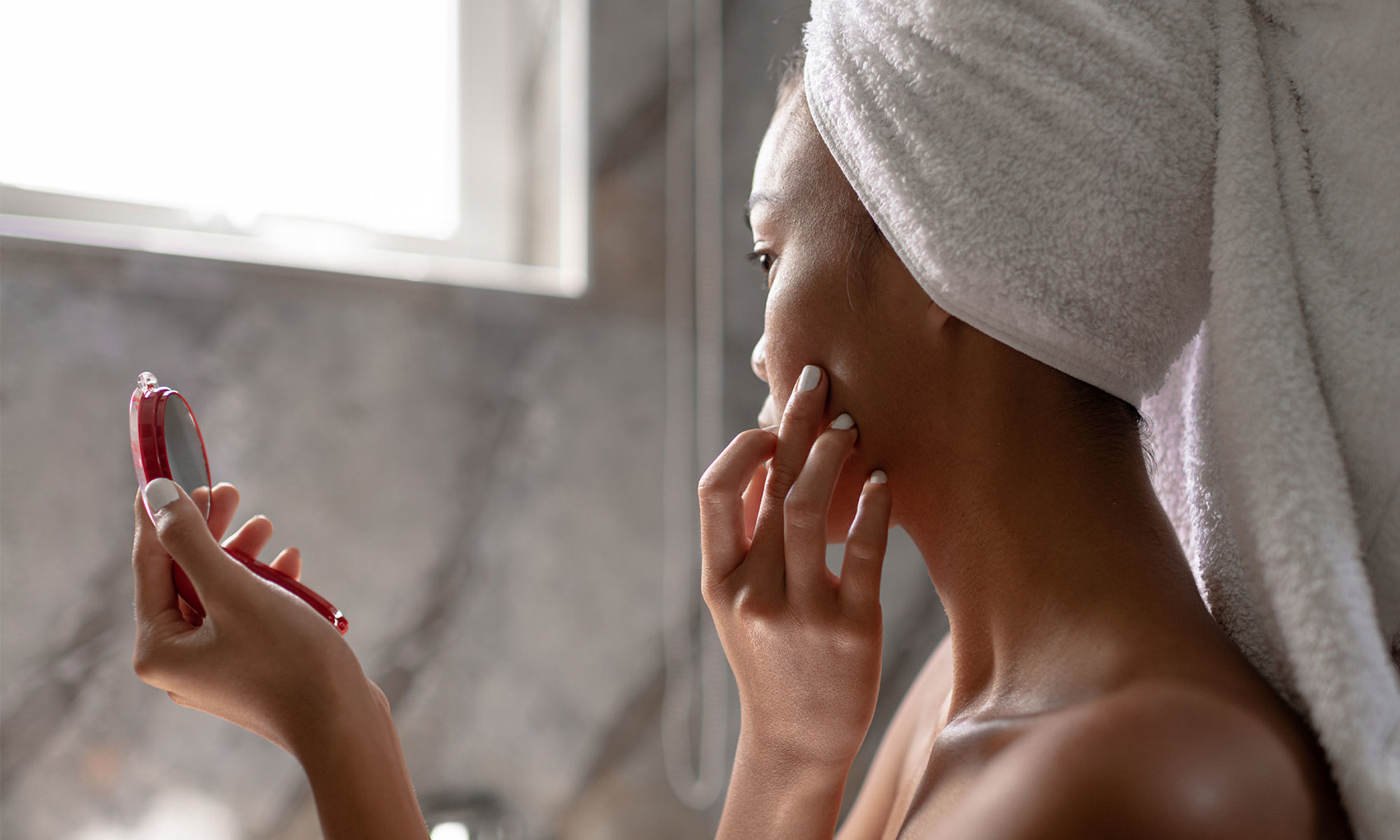
Tue Oct 01 10:12:00 UTC 2024: ## Blind Pimples: The Most Painful Acne and How to Deal With Them
Cystic acne, also known as “blind pimples,” is a particularly difficult and painful form of acne that can significantly impact mental health. These deep, inflamed, and often unseen pimples can last for weeks or even months, leaving behind scars and causing discomfort and stress.
**What are blind pimples?**
Blind pimples are cystic acne lesions that form deep within the skin, making the head of the pimple invisible. Unlike other acne types, cystic acne is characterized by red, inflamed, and larger bumps that are easily felt but have no visible head. They can appear on the face, neck, back, and even other body parts, but are most common on the face.
**What causes blind pimples?**
Multiple factors can trigger cystic acne, including:
* **Hormones:** Fluctuations in hormone levels, especially during menstruation, menopause, or due to genetics, can lead to increased oil production and inflammation, resulting in blind pimples.
* **Stress:** Stress hormones can also increase oil production and inflammation, contributing to breakouts.
* **Diet:** Consuming a high-glycemic diet or dairy products, especially skim milk, has been linked to increased acne risk.
* **Gut health:** Gut inflammation can contribute to systemic inflammation, which can manifest as skin problems like acne, especially for those genetically predisposed to such conditions.
* **Lack of sleep:** Sleep deprivation can lead to increased stress and hormonal imbalances, triggering breakouts.
**Treatment Options:**
Treating cystic acne requires a multi-faceted approach and often involves professional help. Dermatologists recommend various treatment options, including:
* **Prescription medications:** Oral isotretinoin (Accutane) is a powerful treatment for severe cystic acne, but it comes with potential side effects and requires strict monitoring. Oral spironolactone is an effective option for women with hormonal acne, while Winlevi cream is a newer topical treatment for men.
* **Cortisone shots:** These injections can quickly reduce inflammation and pain associated with a specific cystic lesion.
* **Topical medications:** Prescription retinoids like Tretinoin and Tazorac are highly effective in treating acne and preventing scarring. Adapalene is the only over-the-counter retinoid FDA-approved for acne.
* **Acne facials:** Deep cleansing facials with extractions can help prevent breakouts by removing dead skin cells and excess sebum.
**At-Home Care:**
While at-home remedies alone cannot cure cystic acne, incorporating these ingredients and practices into your routine can help manage breakouts and promote healthy skin:
* **Retinol:** This ingredient speeds up cell turnover, reduces the risk of breakouts, and improves skin tone.
* **Exfoliants:** BHAs (like salicylic acid) and AHAs can help unclog pores and reduce inflammation.
* **Tea tree oil:** This natural ingredient can help reduce oiliness and minimize breakouts.
**Preventative Measures:**
To prevent future blind pimples, focus on these lifestyle factors:
* **Gut health:** Consume anti-inflammatory foods, prioritize plant-based milk alternatives, and consider probiotics.
* **Stress management:** Engage in stress-reducing activities like exercise, meditation, or yoga.
* **Sleep hygiene:** Aim for seven to nine hours of quality sleep each night.
**Key Takeaways:**
Cystic acne is a challenging but treatable condition. Seeking professional help from a dermatologist is crucial for managing this type of acne and preventing long-term scarring. By understanding the causes and adopting appropriate treatment and preventative measures, you can work towards clearer skin and improved mental well-being.
 First Piper