
Tue Oct 01 09:00:05 UTC 2024: ## Disorder in the Age of Depolicing: A Growing Problem Ignored by Many
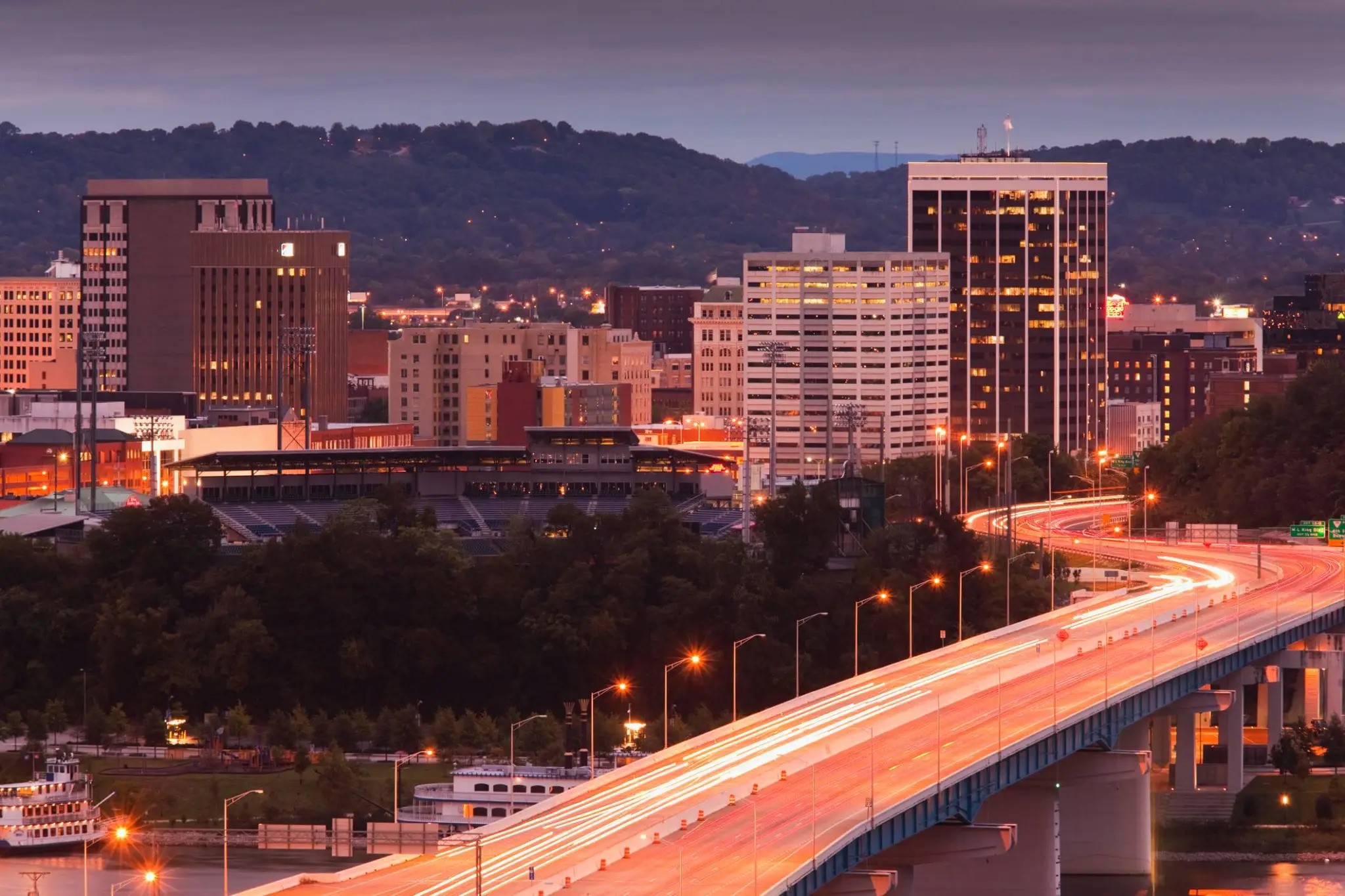
**Chattanooga, Tennessee, and Washington, D.C., are just two examples of cities experiencing a rise in disorder, despite declining crime rates.** This unsettling trend, argues Charles Lehman in a new report, is a consequence of a shrinking police force and a growing indifference towards minor offenses.
Lehman, a senior fellow at the Manhattan Institute, points to a disconnect between public perception and reality. While crime statistics show a decline from post-2020 peaks, many Americans still perceive crime to be on the rise. This perception, he believes, is largely driven by a growing sense of disorder: littering, public intoxication, homelessness, and other less serious offenses that contribute to a feeling of lawlessness and insecurity.
“The public seems to agree, at least if Gallup is to be believed,” Lehman writes. “But what if something different is going on? We have evidence that perception of disorder drives perception of crime (after all, the former is much more common than the latter). What if violent, serious crime really is coming down, but disorder is rising—and causing people to continue to feel unsafe?”
Lehman argues that disorder is not simply a nuisance, but a genuine threat to the functioning of cities. He describes it as “domination of public space for private purposes,” where individuals prioritize their own comfort and needs over the shared space. This can manifest in loud music, public urination, littering, and even unauthorized encampments.
“These behaviors, in other words, claim for the disorderly individual space which is nominally for everyone, and therefore which is meant to be shared by everyone,” Lehman explains.
While the decline of social control, fueled by the “defund the police” movement and the pandemic’s disruption, has contributed to this trend, it is also a result of a shift in our collective perception of disorder. The rise of remote work and urban flight has made it easier for people to escape these issues, creating a pressure to ignore or even justify them.
“Yet, disorder is a problem,” Lehman warns. “It is a problem instrumentally: the rise of remote work, among other trends, has made it easier than ever for Americans to leave the cities for the suburbs. I fear the end of the brief renaissance that, in the 2000s, reversed urban population decline.”
He argues that restoring public control of public space is essential to combating this growing problem. This requires a multi-pronged approach, including:
* **Enhancing informal social control:** Encouraging residents to actively participate in their community and hold each other accountable.
* **Implementing formal measures:** Targeting specific sources of disorder through focused interventions, including strategic policing, community-based programs, and even structural changes to the built environment.
Lehman concludes that addressing disorder is not just about maintaining a sense of order and safety, but also about safeguarding the very fabric of urban life. Failing to take this issue seriously, he warns, risks undermining the future of American cities.
 First Piper