
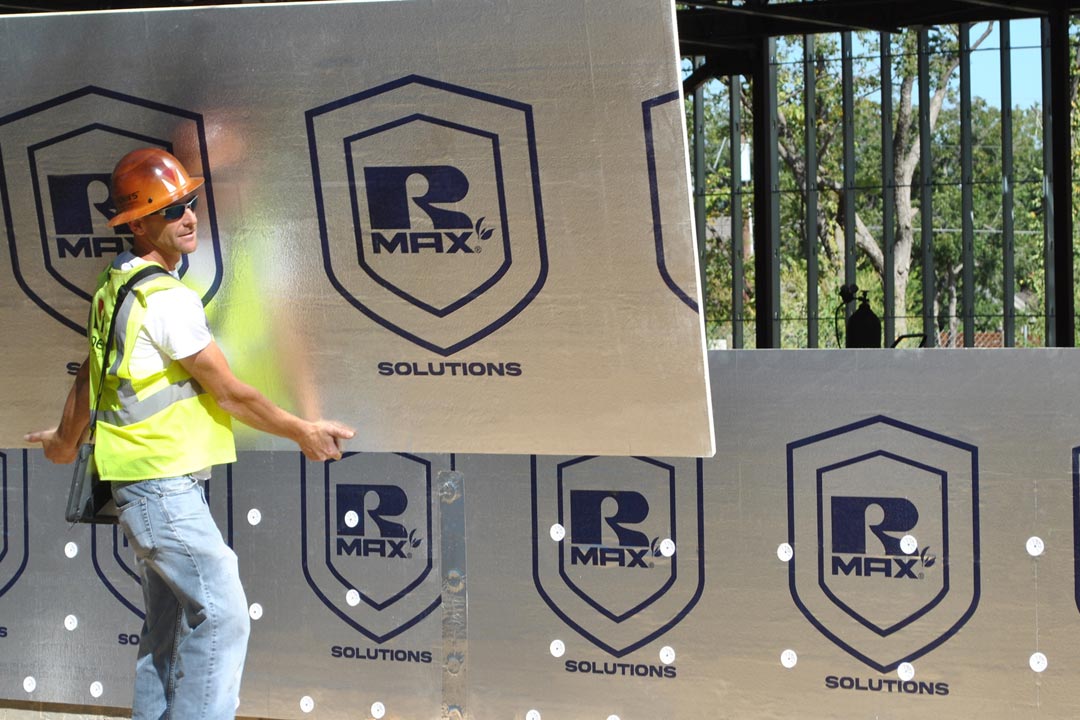
Sun Sep 29 20:16:36 UTC 2024: ## Polyiso Insulation: A Mixed Bag for Sustainability
**Polyisocyanurate (polyiso) insulation, a popular choice for building insulation, is facing scrutiny over its environmental impact despite its high R-value and other benefits.** While it boasts low embodied energy and high thermal performance at moderate temperatures, concerns are rising about its sustainability due to its manufacturing process, reliance on fossil fuels, and limited recyclability.
**Polyiso’s production utilizes a chemical reaction involving methylene diphenyl diisocyanate (MDI), a potentially carcinogenic substance, and pentane, a fossil fuel-derived blowing agent.** This process poses health risks to workers and contributes to greenhouse gas emissions. Furthermore, while polyiso’s R-value remains high at moderate temperatures, it significantly decreases at extreme cold and hot temperatures, making it less effective during climate extremes.
**The use of Tris (2-chloro-1-methlyethyl) phosphate (TCPP), a potential carcinogen, as a flame retardant further raises concerns.** Although polyiso boasts lower water usage compared to other insulation materials, the overall water consumption for large buildings using polyiso can still reach hundreds of thousands of gallons.
**While polyiso’s high R-value and low embodied energy are positive attributes, its lack of recyclability is a major drawback.** Polyiso is a thermoset plastic, meaning it cannot be melted down and recycled into new products. Reuse is the only viable path for achieving long-term sustainability, but efforts in this area are still limited.
**Overall, the sustainability of polyiso is a complex issue.** While it offers advantages in terms of thermal performance and low embodied energy, its reliance on fossil fuels, potential health risks, and lack of recyclability present significant challenges. The industry needs to find ways to address these concerns to ensure the long-term viability of polyiso as a sustainable insulation option.
 First Piper