
Sat Sep 28 18:06:22 UTC 2024: ## High Seas Treaty Ratification Lagging Despite Recent Progress
**New York, September 2023** – A year after its historic signing, the landmark treaty designed to protect the high seas has received only 13 ratifications, leaving it far from coming into force. While progress has been made, environmental campaigners are expressing concern about the slow pace of ratification and urging countries to expedite the process.
The treaty, which took 15 years to negotiate, aims to protect the high seas, which account for almost half the planet’s surface and over 60 percent of its oceans. It seeks to address the threats posed by pollution, overfishing, and climate change to these vital marine ecosystems.
The treaty, which requires 60 ratifications to enter into force, received 70 signatures last year but has only garnered 13 formal ratifications. This week, five new countries – East Timor, Singapore, the Maldives, Bangladesh, and Barbados – ratified the treaty during the UN General Assembly.
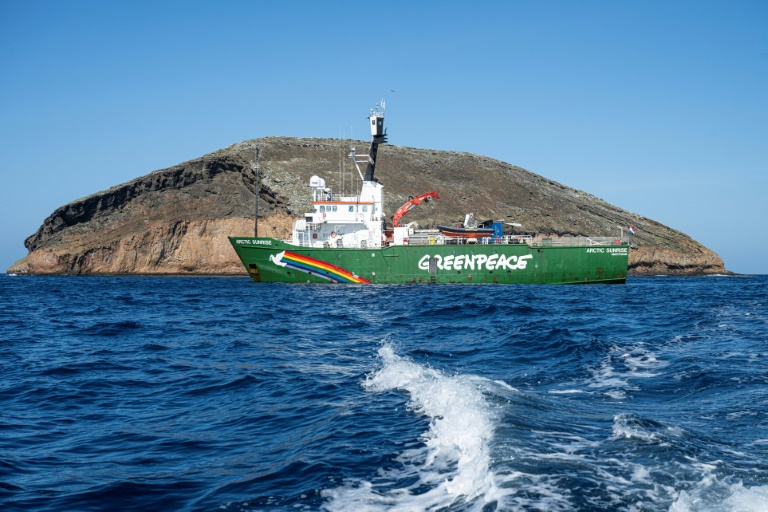
Despite this progress, environmental groups like Greenpeace are concerned about the lack of momentum and the complacency of some countries. They are calling for increased political will and a faster pace of ratification to ensure the treaty comes into force in 2025, as hoped.
The High Seas Alliance, a coalition of conservation-minded NGOs, also acknowledged the recent progress but emphasized the urgency of the situation. They stressed the need for countries to “step up the pace and sprint to the finish line” to secure the treaty’s implementation.
The treaty’s flagship tool is the creation of marine protected areas, which currently cover only 1 percent of the high seas. This new treaty is considered crucial for meeting the global commitment to protect 30 percent of the planet’s landmass and oceans by 2030, a pledge made at the UN Biodiversity Conference (COP15) in Montreal last year.
Activists believe that rapid ratification of the high seas treaty is vital for achieving this ambitious goal. They urge countries to take immediate action to ensure the protection of these vital ecosystems for future generations.
 First Piper