
Sat Sep 28 18:07:57 UTC 2024: ## Chicago Faces Looming Loss of Intercity Bus Terminal, Threatening Access for Low-Income Travelers
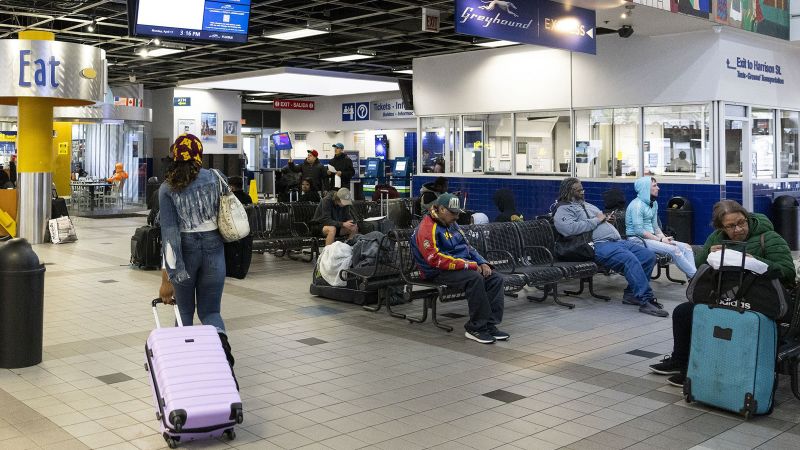
**Chicago, IL** – America’s third-largest city is on the brink of losing its sole intercity bus terminal, leaving thousands of low-income, elderly, and minority travelers with few alternative transportation options. This impending closure is part of a nationwide trend that has seen intercity bus services decline in recent decades.
Greyhound’s lease at its Chicago terminal expires next month, and the company has not proposed an extension. Other bus lines operating from the terminal, including FlixBus, Barons, and Burlington Trailways, would also be forced to leave. This closure would make Chicago the largest city in the Northern Hemisphere without a dedicated intercity bus terminal.
The terminal serves over 500,000 passengers annually, with 73% earning less than $50,000 annually. The majority of riders are Black and belong to minority groups. For many, the terminal provides a crucial connection to smaller towns lacking train stations or airports. It also offers essential amenities, like restrooms and a safe waiting area, particularly important during Chicago’s harsh winters and for those with long layovers.
Advocates warn that the closure would unravel the interconnected network of bus routes, leading to service cuts and forcing passengers to wait on the street or rely on expensive alternative transportation. They argue that intercity buses should be treated as public utilities, with increased government support.
The potential closure in Chicago highlights a nationwide crisis in intercity bus service. Decades of underinvestment and private companies prioritizing profit over public service have led to terminal closures, service cuts, and relocation of stops to inaccessible locations.
While Greyhound and city officials claim they are committed to finding a solution, concerns remain about the lack of a dedicated terminal and the potential for continued disservice to vulnerable communities. Advocates are pushing for a publicly-owned terminal, similar to models in Milwaukee and Boston, which integrate bus services with other modes of transportation.
The situation underscores the need for a comprehensive approach to public transportation, ensuring equitable access and prioritizing the needs of all communities.
 First Piper