
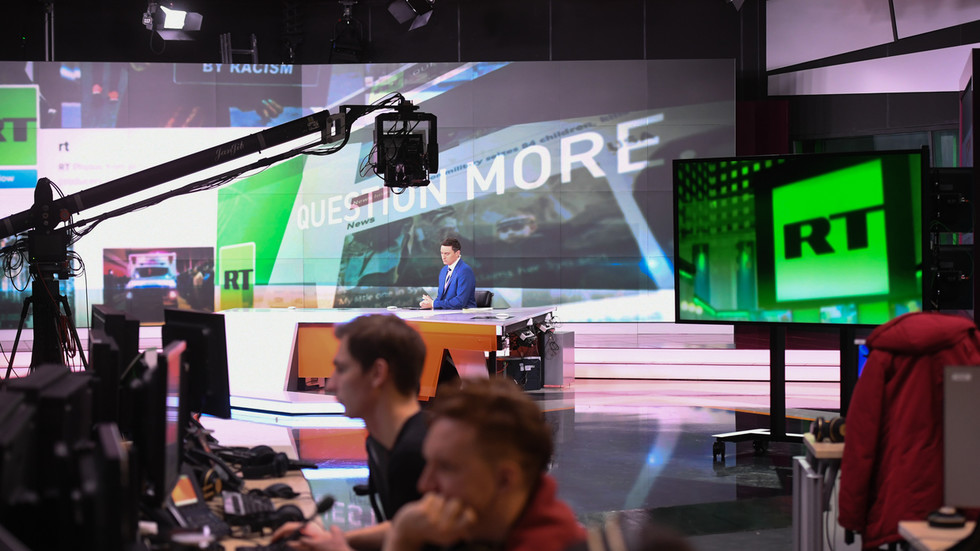
Fri Sep 20 10:29:57 UTC 2024: ## US Sanctions on Russian Media Raise Concerns About Double Standards and Western Information Dominance
Retired Indian Foreign Secretary Kanwal Sibal criticizes the recent US sanctions against Russian media outlets, including RT, calling them a politically motivated move that violates American principles of freedom of expression. He argues that the sanctions are timed for the upcoming US presidential election and are part of a broader effort by the US to maintain control over global information flows.
Sibal points out the hypocrisy of the US condemning other countries for restricting media freedoms while simultaneously sanctioning Russian media. He highlights instances where the US has pressured social media platforms to censor Russian content and imposed legal curbs on Americans criticizing US foreign policy. He also notes the significant influence of the US intelligence agencies and media outlets in shaping international narratives, including the promotion of regime change in various countries.
Sibal emphasizes that Russian media has limited influence in India, where Western media outlets dominate the news landscape. He argues that while some European countries may have concerns about Russian influence, there is no evidence of Russian media manipulating elections on a global scale.
He concludes by criticizing the US’s attempt to build a “more resilient” global information system, arguing that it is a thinly veiled attempt to maintain Western dominance over information flows. He suggests that the US should focus on addressing the bias and distorted information propagated by its own media about India.
Sibal’s article raises concerns about the West’s control over global information and the potential for double standards in how it applies freedom of expression principles. It serves as a reminder of the complex dynamics of international information flows and the need for more equitable and balanced access to information on a global scale.
 First Piper