Thu Sep 19 09:00:00 UTC 2024: ## Hopeful but Uncertain: New Sickle Cell Gene Therapies Face Hurdles
**Los Angeles, CA** – A new era of hope has dawned for sickle cell patients with the recent approval of the first genetic treatments for the disease. However, while patients are excited about the potential for a life free from debilitating pain and complications, several hurdles remain before these revolutionary therapies become widely accessible.
The groundbreaking treatments involve modifying a patient’s bone marrow with genetically altered cells, effectively alleviating the symptoms of sickle cell disease. However, the process requires grueling chemotherapy, raising concerns about fertility among patients. Additionally, the treatment is expensive, costing between $2.2 million and $3.1 million per patient, making it inaccessible to many, particularly those in economically disadvantaged regions.
Olaide Adekanbi, a 29-year-old Boston resident living with sickle cell, epitomizes the complex emotions many patients face. While thrilled with the possibility of a new life, Adekanbi hesitates due to concerns about fertility and the extensive treatment regimen, which could require months of hospitalization and follow-up care.
“I’m very excited for the possibilities, but I’m also nervous about the impact on my fertility,” says Adekanbi, echoing the concerns of other patients.
Dr. Lewis Hsu, chief medical officer of the Sickle Cell Disease Association of America, points to the lack of long-term data as another cause for hesitation. “We don’t have good information about the long-term effects of these therapies,” Hsu says. “What will happen to me in 10 or 20 years?”
Despite these concerns, the companies developing the treatments, Vertex Pharmaceuticals and Bluebird Bio, emphasize the safety and effectiveness of their therapies so far. They are working to increase accessibility by partnering with hospitals and insurers, and interest is growing rapidly.
However, concerns remain about the equity of access. “There’s an undercurrent within the industry that says, ‘We made some Cadillacs, and whoever gets them gets them,'” says Rimas Orentas, chief scientific officer at Caring Cross, a nonprofit advocating for greater access to medical technology.
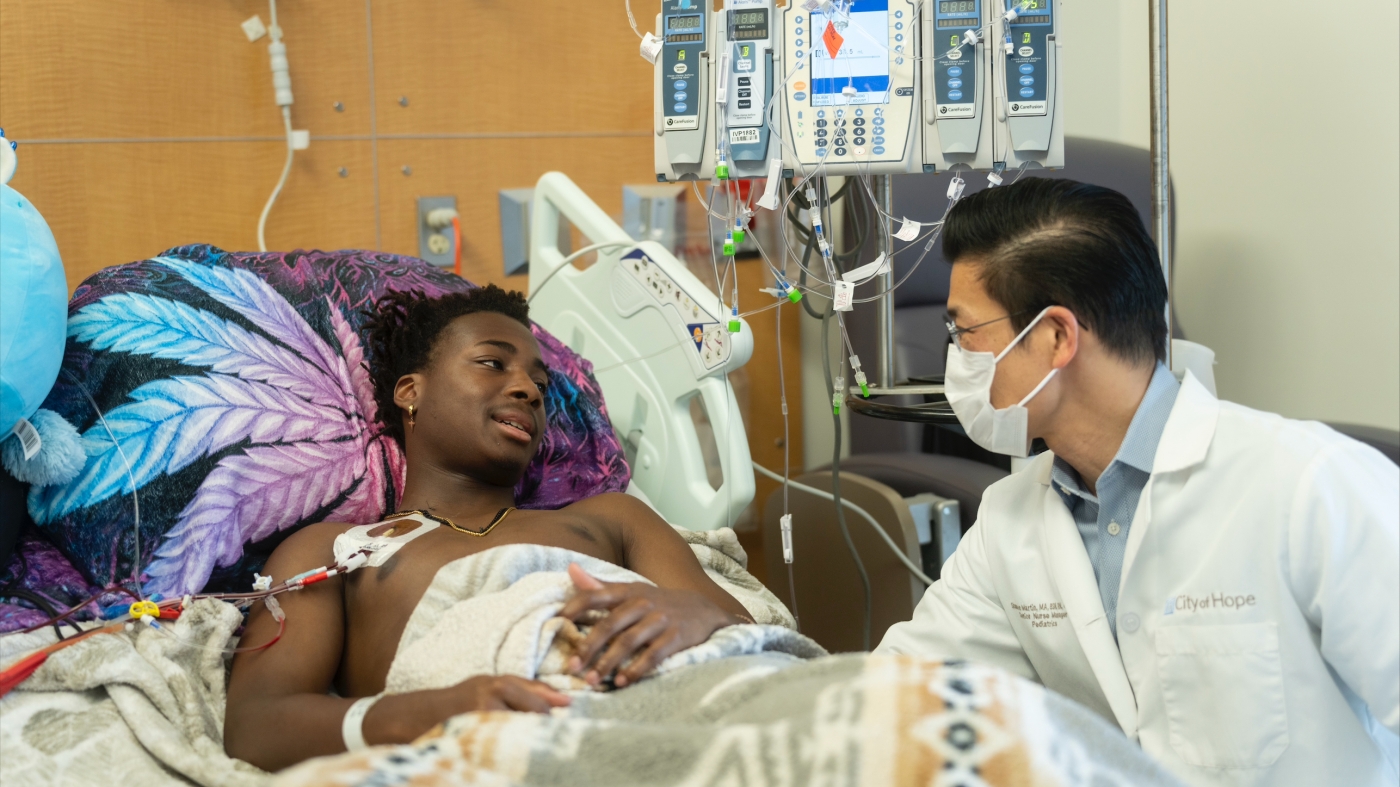
While DeShawn Chow, a 19-year-old Californian undergoing treatment, is hopeful for a life free from sickle cell pain, the story of these new therapies highlights the need for greater affordability and global accessibility. As Victoria Gray, the first person with sickle cell to receive the gene-editing treatment, urges, “We have something now that can put a stop to this suffering. I want people to be free from this type of fear, worry and pain.”
 First Piper