
Thu Sep 19 06:16:59 UTC 2024: ## Smaller Beer Servings May Lead to Less Booze, Study Finds
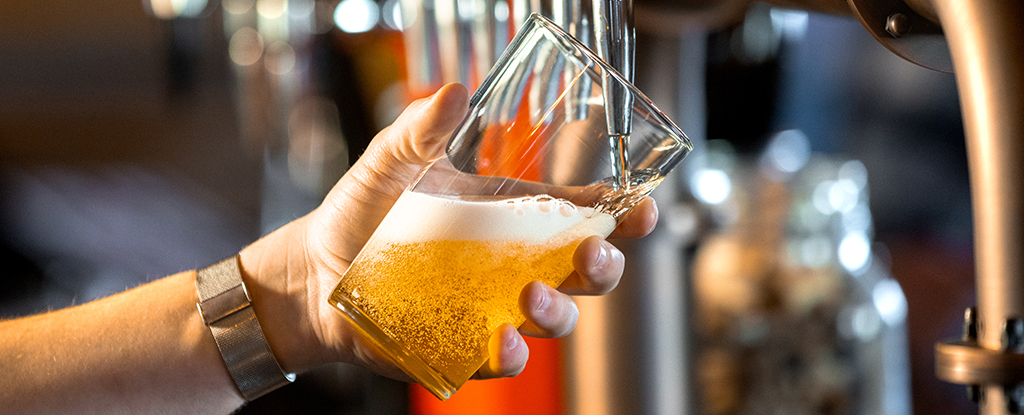
**Cambridge, UK** – A recent study conducted by researchers at the University of Cambridge has shown that reducing the standard serving size of beer in pubs and bars could significantly decrease overall alcohol consumption. The research, published in PLOS Medicine, involved a four-week trial in 12 UK venues where traditional pints were replaced with two-thirds pint servings at a proportional price reduction.
During the trial, alcohol sales by volume dropped by an average of 9.6% across all venues, including draught beers, bottled and canned beers, and even wine. While wine sales saw a slight increase, the overall impact on alcohol consumption was significant.
This finding suggests that reducing serving sizes could be a simple yet effective way to promote healthier drinking habits and reduce the risk of alcohol-related diseases.
“We know plenty about the damage that can be done by drinking too much,” said psychologist Theresa Marteau from the University of Cambridge. “Alcohol abuse can damage our livers, shrink our brains, and increase the risk of cardiovascular disease, as well as having numerous other detrimental effects on our health.”
The research team acknowledged that changing the traditional pint size could disrupt established habits and potentially impact revenue for pubs and bars. However, they noted that customers did not express strong objections to the smaller serving sizes during the trial.
The study builds upon previous research conducted in 2020 that demonstrated similar reductions in wine consumption when serving sizes were reduced. This suggests that smaller serving sizes could be a widespread solution to promote responsible drinking habits.
While the research acknowledges some limitations, such as the possibility of drinkers simply making up the deficit at home or switching to stronger beers, the study highlights the potential for reducing alcohol-related deaths, which currently number around 10,000 per year in the UK.
The researchers believe that the findings provide compelling evidence for considering a shift away from the traditional pint, particularly given the well-documented health risks associated with excessive alcohol consumption.
 First Piper