
Wed Sep 18 01:12:15 UTC 2024: ## “Junior” Doctors Get a New Name: NHS Embraces “Resident” in Recognition of Expertise
**London, UK** – In a move aimed at better reflecting the experience and qualifications of young doctors, the National Health Service (NHS) is replacing the term “junior doctor” with “resident doctor.” This change, advocated by the British Medical Association (BMA), comes after a long-standing dispute over the “infantilising” and “demeaning” nature of the term “junior.”
The new term will apply to over 50,000 qualified doctors working in GP practices and hospitals, some fresh out of medical school, others with a decade or more of experience. Health ministers have accepted the change, signaling a renewed effort to improve the relationship between the NHS and its doctors. This follows a recent pay agreement that saw resident doctors in England receive a 22% raise over two years, ending an 18-month dispute.
The BMA argues that the term “junior” was confusing and misleading, as it incorrectly implied doctors were unqualified. Politicians were also accused of using the term to downplay their role.
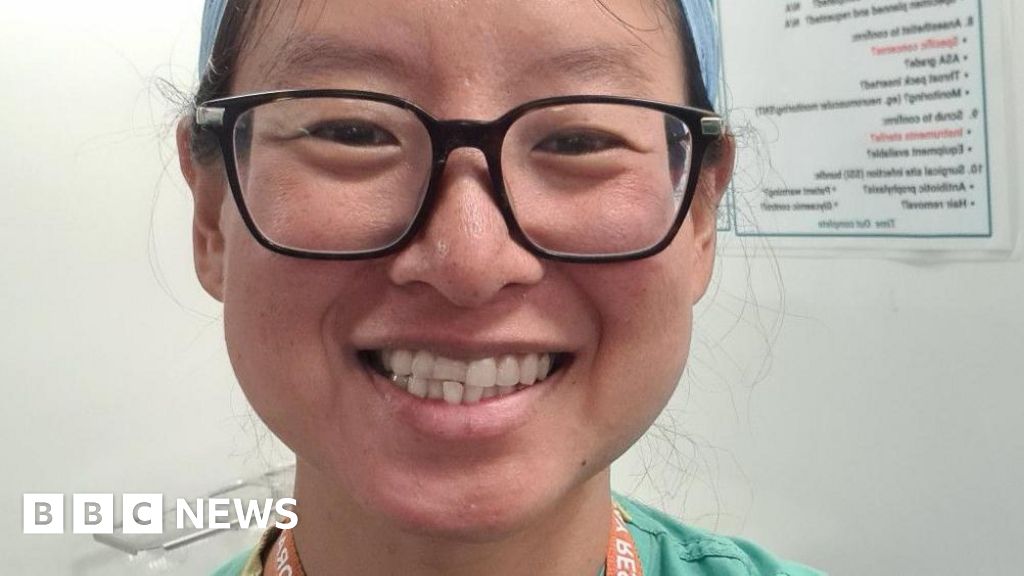
Dr. Lily Huang, a BMA member specializing in ear, nose, and throat surgery, has been a qualified doctor for seven years. She points out that the term “junior doctor” often led to misunderstanding, with friends and family assuming she was still a student. She says, “Resident is a much better term, it’s more neutral and doesn’t carry the negative connotation that ‘junior’ does.”
The term “resident” is already used in several countries including the US, Canada, and Australia, reflecting the role of doctors on the ground. It acknowledges their often extensive experience and crucial contribution to keeping hospitals functioning. The BMA hopes that other institutions will follow suit and adopt the new terminology.
**Who are Resident Doctors?**
Resident doctors are fully qualified doctors who are either completing postgraduate training or gaining experience as locally-employed doctors. They begin their careers with a two-year foundation program and then typically enter specialized training in a specific area of medicine or surgery, or general practice training to become a GP. The training process can take many years, meaning some resident doctors have significant practical experience and are responsible for key aspects of medical care.
The change in terminology is a symbolic step towards acknowledging the valuable contributions of resident doctors to the NHS and recognizing their expertise beyond their years of experience.
 First Piper