
Wed Sep 18 02:30:36 UTC 2024: ## Eau Claire, Wisconsin: Refugee Resettlement Sparks Political Debate
Eau Claire, Wisconsin, a city known for its welcoming spirit, is facing a growing divide over the resettlement of refugees. While some residents, like City Manager Stephanie Hirsch, embrace the diversity and economic benefits brought by refugees, others, like Republican Party Vice Chair Fred Kappus, express concerns about the impact on local resources and infrastructure.
The arrival of 77 refugees from countries like the Democratic Republic of Congo, Republic of Congo, and Central African Republic, along with Venezuela and Colombia, sparked heated debate last fall. Opponents spread misinformation, accusing the city of secretly using tax dollars to traffic Somali refugees.
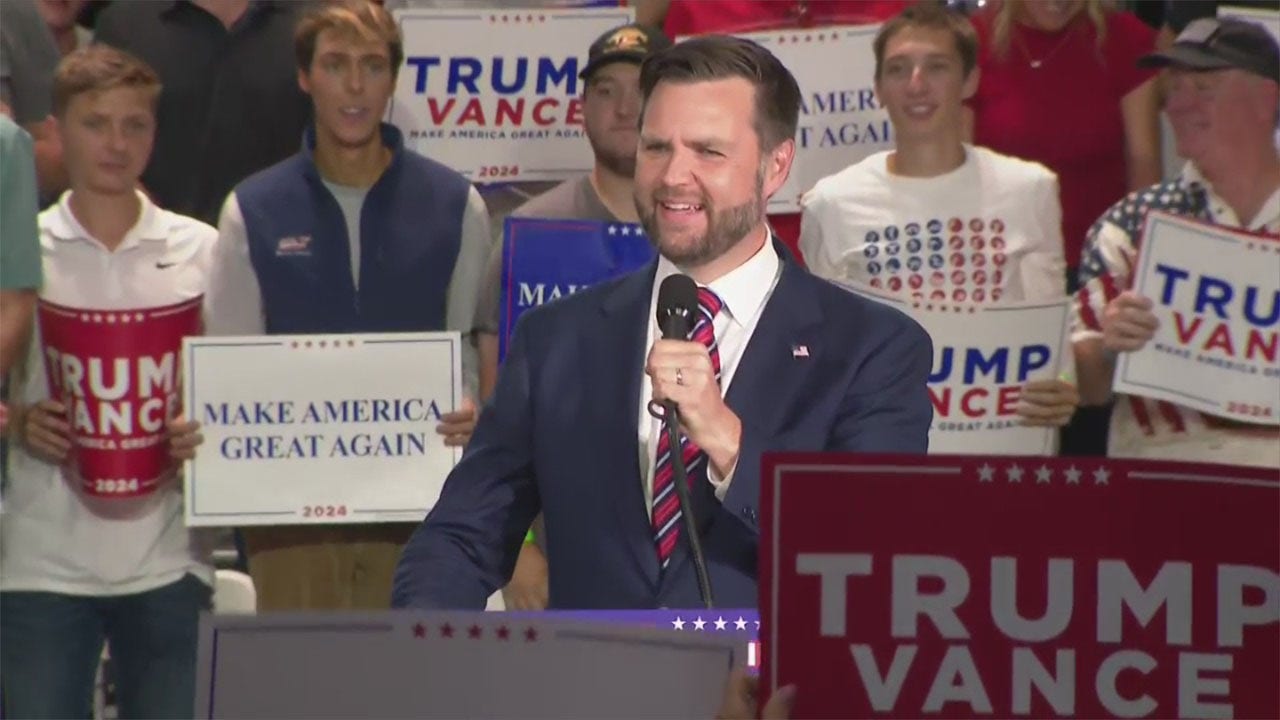
The issue has attracted national attention, with Republican vice presidential nominee JD Vance campaigning in Eau Claire and utilizing the situation to criticize the Biden administration’s immigration policies. Vance, who has been accused of promoting false claims about Haitian migrants in Springfield, Ohio, argues that illegal immigration has devastated communities across the country, including Wisconsin.
While Vance did not directly mention the refugee resettlement in Eau Claire, he advocated for stricter border control measures and Trump’s plan to deport undocumented immigrants, garnering cheers from the crowd.
The debate over refugee resettlement highlights the tension between welcoming new communities and addressing local concerns. While supporters emphasize the economic and cultural benefits of diversity, opponents argue that resources should be focused on addressing existing issues like homelessness.
World Relief, a humanitarian aid group responsible for the resettlement, stresses that refugees undergo extensive vetting and that they receive temporary aid to help them integrate into the community.
The future of refugee resettlement in Eau Claire remains uncertain. While city leaders maintain their commitment to welcoming newcomers, the ongoing debate reflects the larger national conversation on immigration and the complexities of balancing local needs with a commitment to humanitarianism.
 First Piper