
Wed Sep 18 01:27:21 UTC 2024: ## Whale Watch Boom Raises Concerns in French Polynesia
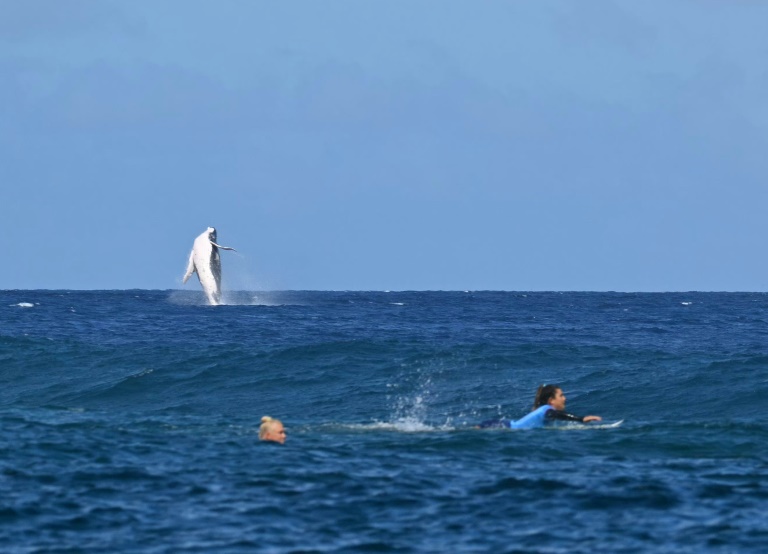
**Tahiti, French Polynesia** – A humpback whale stealing the show during the Summer Olympic Games’ women’s surfing semi-finals in Tahiti last month highlighted the island’s growing whale-watching tourism industry. While the picturesque territory attracts visitors eager to swim with these majestic creatures, concerns about the impact of this burgeoning industry are also rising.
Every year, thousands of humpback whales migrate to French Polynesia’s warm waters to mate and give birth. This natural phenomenon has made the region a global hotspot for whale watching, with tourists drawn to its pristine beaches and crystal-clear waters.
Despite the allure of these close encounters, environmental groups and some scientists warn that increasing tourism puts a strain on the whale population.
“There are far too many boats on the water,” says Agnes Benet, biologist and founder of the Polynesian association Mata Tohora, which advocates for marine mammal protection. “We need to limit the number of boats around the whales and dolphins.”
Benet’s organization is calling for a “no whale-watching” period in the afternoon to allow the whales to rest. This plea is backed by a 2019 study in Tonga, which found that swimming and observation activities cause stress for whales, especially mothers and calves.
The French Polynesian authorities acknowledge the concerns and have implemented regulations to ensure responsible tourism. These include maintaining a distance of 100 meters between boats and whales, and a 15-meter distance for swimmers.
However, some argue that even these measures are not enough. “It’s one of the last places on the planet where we’re allowed to observe them at such close quarters,” says Julien Anton, a local whale-watching tour guide. “But we must be careful not to disrupt their natural behavior.”
The potential risks extend beyond the whales’ well-being. In 2020, a swimmer in Western Australia was seriously injured after becoming trapped between two whales.
As the whale-watching industry continues to grow, the delicate balance between tourism and conservation remains a significant challenge for French Polynesia. Finding ways to protect both the whales and the livelihoods of the local community will be crucial in ensuring the future of this unique natural wonder.
 First Piper