
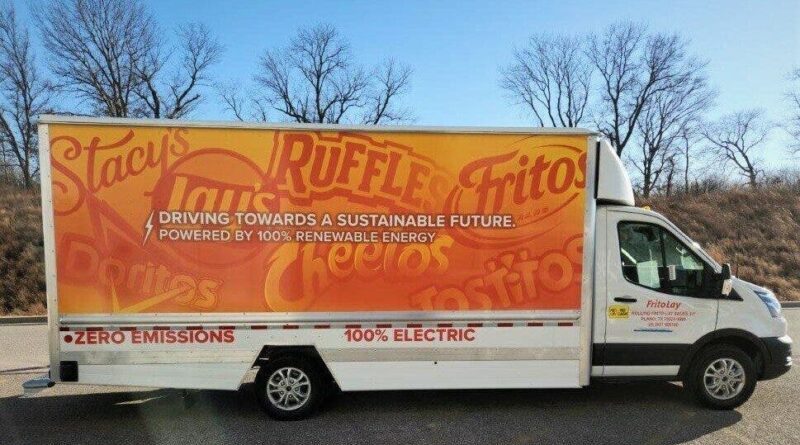
Wed Sep 18 03:38:36 UTC 2024: ## Electric Delivery Vans Drive Clean Freight Revolution
**The transition to clean freight is gaining momentum, with a surge in electric delivery vans leading the charge.** While zero-emission trucks and buses represent a small fraction of the overall market, their numbers are rapidly increasing, signaling a shift towards a cleaner transportation system.
**In 2023, over 27,500 zero-emission medium- and heavy-duty vehicles (MHDVs) were deployed in the US, a significant jump from just 600 in 2019.** This growth is particularly noticeable in the last-mile delivery sector, where electric cargo vans are seeing meteoric adoption.
**Large companies are leading the charge, with electric vans representing a significant percentage of their fleets.** This is attributed to factors such as access to capital, potential fuel cost savings, and greater vehicle flexibility. However, smaller businesses are also embracing electric vans, driven by attractive price parity and significant fuel and maintenance savings.
**Several factors are driving this rapid adoption:**
* **Short-range routes:** Most delivery vans operate on predictable routes within 100 miles, perfectly aligning with the range of electric cargo vans.
* **Lower operating costs:** Electric vans offer significantly reduced fuel costs compared to gas-powered models, with some achieving cost parity in upfront price.
* **Suitable charging infrastructure:** Unlike larger trucks, delivery vans can easily be charged overnight at depots using readily available Level-2 chargers, reducing the cost and complexity of charging infrastructure.
**The impact of electric delivery vans extends beyond emissions reduction.** They serve as a model for other sectors within the freight system, demonstrating the feasibility of accelerated electrification.
**Experts anticipate continued growth in electric freight vehicles, with the Union of Concerned Scientists (UCS) planning further research to highlight successes, opportunities, and challenges in this evolving sector.**
This shift towards clean freight is crucial in addressing air pollution and climate change, with significant benefits for public health and the environment.
 First Piper