
Mon Sep 16 15:39:40 UTC 2024: ## China’s Shift in Africa: From Loans to Green Investment
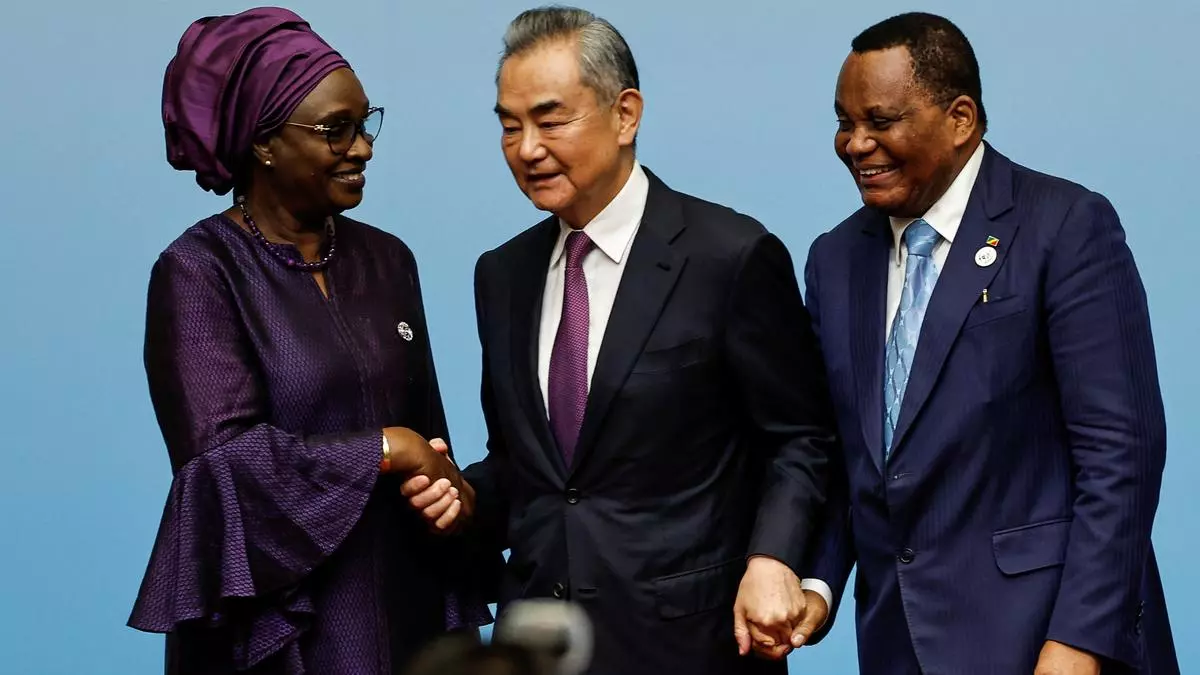
**Beijing, China** – The recent Forum on China-Africa Cooperation (FOCAC) in Beijing has marked a turning point in China’s economic relationship with the African continent. While China’s previous engagement was heavily focused on resource extraction and infrastructure projects, the new phase emphasizes green investment, domestic value addition, and private sector participation.
China’s voracious demand for raw materials fueled a surge in African exports during the 2000s. However, this trade balance shifted after 2012, with Chinese exports to Africa outpacing African exports to China. This trend was driven by Africa’s growing demand for affordable Chinese manufactured goods.
Simultaneously, China’s capital surplus led to significant foreign direct investment (FDI) and loans to Africa. While Chinese FDI peaked in 2018, it has since declined, likely due to a shift towards domestic consumption in China. Similarly, loans from China to Africa, though significant, also decreased in recent years.
Despite claims of a “debt trap,” Chinese debt accounts for less than 12% of Africa’s total external debt, with the majority held by western creditors. Importantly, Chinese investment has focused on infrastructure, a sector often neglected by western lenders.
The FOCAC summit showcased this new approach. Chinese President Xi Jinping pledged $50.7 billion in credit lines and investments over the next three years, with a notable emphasis on green projects and domestic value addition. This shift includes promoting clean energy projects, investment in electric vehicle manufacturing within Africa, and collaboration in nuclear energy development.
This strategy represents a departure from the extractive practices of western powers in Africa. For example, China is assisting Niger in developing its own nuclear power facilities, a move that contrasts with France’s long-standing uranium mining operations in the country without any significant investment in local power generation.
Overall, the FOCAC summit signals a move towards a more diversified and sustainable economic engagement between China and Africa. The future impact of this shift remains to be seen, but it represents a significant development with implications for both African countries and the global economic landscape.
 First Piper