
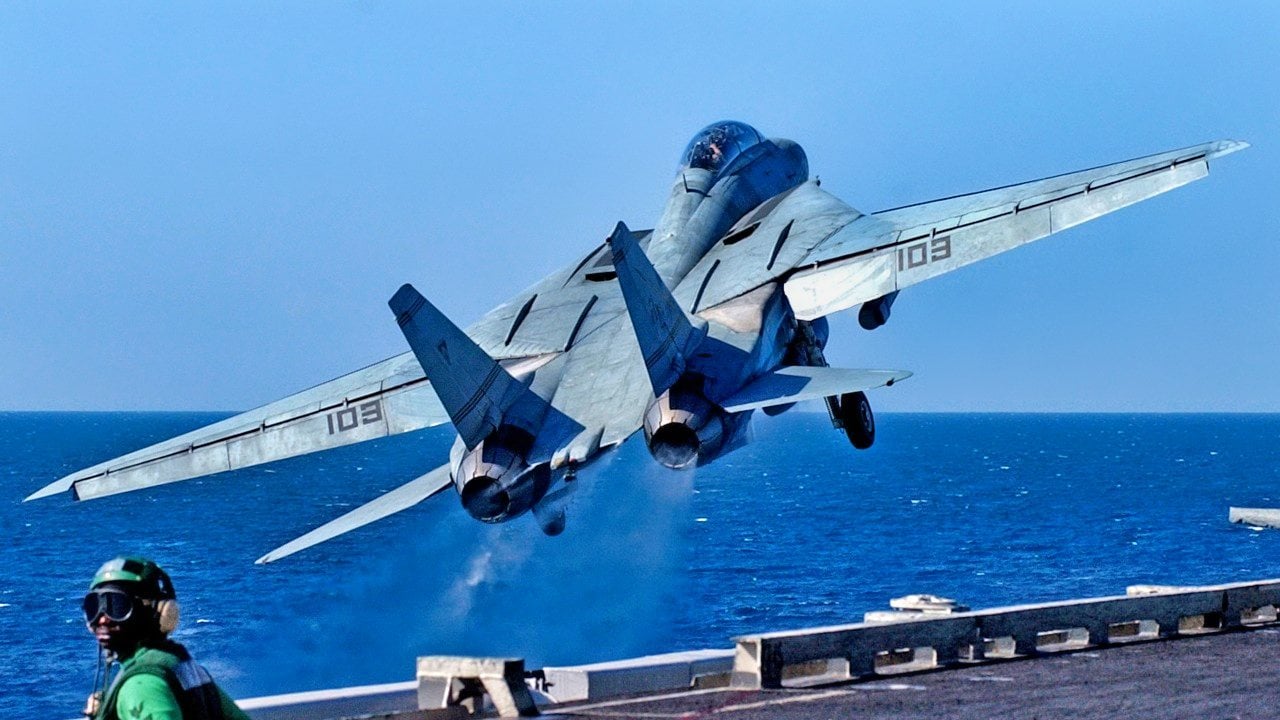
Sun Sep 15 14:00:04 UTC 2024: ## Grumman’s Super Tomcat: A Lost Opportunity for the Navy
In the early 1990s, Grumman proposed a radical modernization of the iconic F-14 Tomcat, dubbed the “Super Tomcat for the 21st Century” (ST21). This upgrade aimed to transform the aging fighter into a formidable multirole aircraft, capable of dominating both air-to-air and air-to-ground combat.
The ST21 would have incorporated a plethora of advanced technologies, including enhanced avionics, a cutting-edge glass cockpit, improved radar systems, and significantly enhanced aerodynamics. The design included larger wingtip fuel tanks, upgraded engines, and the removal of problematic “glove vanes” for improved performance and maneuverability. A more advanced variant, the Attack Super Tomcat for the 21st Century (AST21), was also proposed, featuring advanced bomb-carrying capabilities and a nuclear weapons option.
Despite its impressive potential, the Navy opted for the more cost-effective F/A-18 Super Hornet, prioritizing reliability and efficiency over the ST21’s unparalleled performance. The Super Hornet was seen as a more logical continuation of the existing F/A-18 lineage, providing a proven and reliable platform with lower development costs.
While the ST21 and AST21 offered unmatched speed, range, and maneuverability, including the possibility of thrust vectoring, changing priorities and a focus on stealth technology ultimately sealed their fate. The Navy’s shift towards stealth, exemplified by the failed A-12 program, made the ST21’s impressive capabilities less attractive.
The decision to abandon the Super Tomcat project represents a lost opportunity for the Navy to field a truly dominant fighter aircraft. Had it been adopted, the Super Tomcat would have been a formidable weapon in the skies, capable of exceeding the performance of any contemporary fighter.
 First Piper