
Sun Sep 15 14:55:11 UTC 2024: ## Ice Age Teens Experienced Puberty Just Like Us, Study Reveals
**New research published in the *Journal of Human Evolution* sheds light on the lives of Ice Age adolescents, showing that they experienced puberty at remarkably similar ages to modern teenagers.**
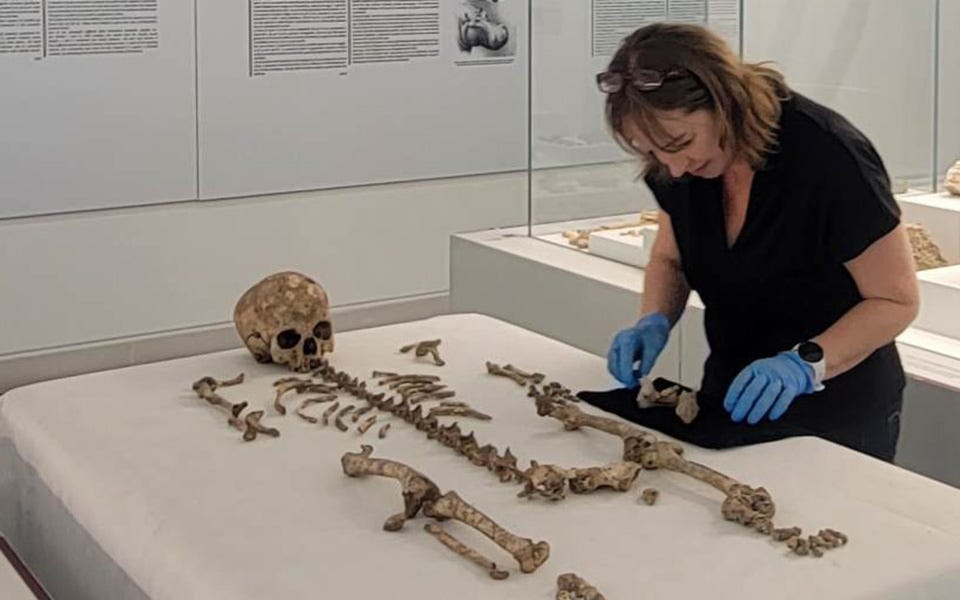
A team of researchers, led by paleoanthropologist April Nowell from the University of Victoria, examined the bones of 13 young humans aged between 10 and 20 years from 25,000 years ago. Using cutting-edge techniques to analyze skeletal markers, they determined the puberty stages of these individuals, revealing that they experienced developmental milestones similar to modern teenagers.
“We inferred things like menstruation and the breaking of the voice,” explained Nowell, highlighting the detailed insights obtained from analyzing specific areas of the skeleton.
The study, which employed methods developed by Mary Lewis of the University of Reading, involved examining the mineralization of canines and the maturation of key bones in the hand, elbow, wrist, neck, and pelvis. This allowed researchers to estimate the exact puberty stage of each individual at the time of death, providing a unique glimpse into their development.
“This is the first time my puberty stage estimation method has been applied to Paleolithic fossils,” noted Lewis.
The research found that most of the individuals entered puberty around the age of 13.5, with full adulthood reached between 17 and 22 years of age. This suggests that puberty in these ancient populations occurred at roughly the same time as it does in modern adolescents from affluent societies.
One particularly significant find was “Romito 2,” an adolescent male believed to have had a form of dwarfism. This individual provided further insights into how puberty might have looked in individuals with unique conditions.
Jennifer French, an archaeologist from the University of Liverpool and co-author of the study, emphasized the importance of understanding how individuals like Romito 2 may have been perceived within their communities. “The specific information about physical appearance and developmental stage provides a new lens through which to interpret their burials and treatment in death,” she said.
The study highlights the shared biological journey that links past and present, revealing that Ice Age adolescents were relatively healthy and experienced normal growth patterns.
“Studying puberty helps us to humanize these early humans in ways that other aspects of archaeology may not,” said Nowell. “This research brings us closer to understanding them as individuals navigating life stages much like we do today.”
This groundbreaking research offers a fresh perspective on the lives of Ice Age teenagers, demonstrating the universality of human development across time. It promises to pave the way for further research into the social roles and status of these ancient adolescents within their communities.
 First Piper