Sun Sep 15 15:41:28 UTC 2024: ## South Korea’s Healthcare Crisis: A Doctor Shortage Turns Into a National Emergency
**Seoul, South Korea** – A simmering dispute between the South Korean government and doctors has escalated into a full-blown crisis, threatening the country’s healthcare system. The conflict, triggered by a government plan to increase the number of doctors, has left hospitals struggling, patients facing delays, and public confidence in the system eroding.
The government, aiming to address a growing doctor shortage, proposed adding 2,000 medical students each year. Initially, this plan was met with public approval, but it soon faced fierce opposition from doctors, who staged a walkout in protest, arguing it wouldn’t solve the underlying issues.
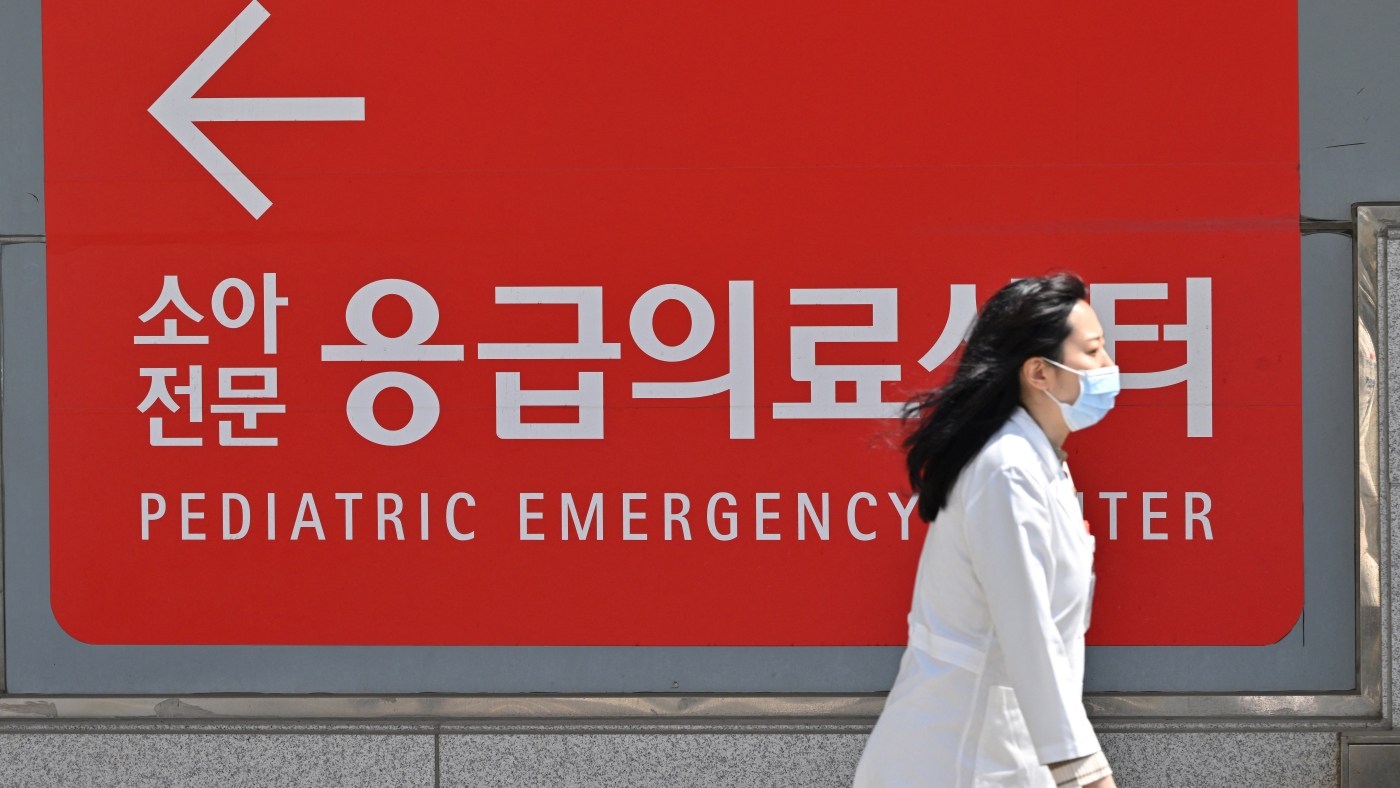
Seven months later, the strike continues, and its impact is being felt across the nation. Hospitals are reporting significant drops in cancer surgeries, emergency responders struggle to find available beds, and some emergency clinics have been forced to partially close.
The government’s insistence on pushing forward with its plan, despite the dire situation, has fueled public frustration. Nearly 80% of the population fears they will be unable to receive medical care when needed, and President Yoon Suk Yeol’s approval rating has plummeted to its lowest since taking office.
One of the most poignant examples of the crisis’ impact is the case of Suh Yiseul, whose son Kai, diagnosed with Klippel-Trenaunay Syndrome, has had his crucial biopsy delayed multiple times due to staff shortages.
The doctors’ protest is not merely about numbers; it highlights a deeper issue of working conditions and underinvestment in vital medical fields like internal medicine, emergency care, and pediatrics. The current system relies heavily on trainee doctors who work long hours for low pay, a situation doctors say is unsustainable and contributes to the exodus of doctors from these critical specialties.
Analysts argue that the government’s approach, focused solely on increasing doctor numbers, is simplistic and ignores the complexities of the healthcare system. The lack of public hospitals, a heavy reliance on commercialized medicine, and the doctors’ anxieties about losing their high incomes are factors contributing to the stalemate.
As the crisis deepens, both sides remain entrenched, with no sign of resolution in sight. The future of South Korea’s healthcare system hangs in the balance, with the public caught in the middle, anxiously waiting for a solution that seems increasingly elusive.
 First Piper