
Fri Sep 13 19:16:00 UTC 2024: ## Federal Bill Aims to Curb Snowmobile-Related Wildlife Deaths, Sparking Wyoming Outrage
**Jackson, WY** – A bipartisan bill introduced in Congress, dubbed the Snowmobiles Aren’t Weapons Act (SAW Act), has ignited controversy, particularly in Wyoming, where it’s become a focal point in the ongoing debate over predator management and wildlife protection.
The bill, sponsored by Rep. Nancy Mace (R-SC), would make it illegal to intentionally use a motor vehicle to kill wildlife on federal lands managed by the Department of the Interior. Violators could face fines up to $5,000 and a year in prison.
The bill has drawn ire from Wyoming’s Republican representatives, with Rep. Harriet Hageman calling it “poorly thought-out legislation pushed by radical activists.” Sen. Cynthia Lummis also criticized the bill, while Sen. John Barrasso is awaiting further details.
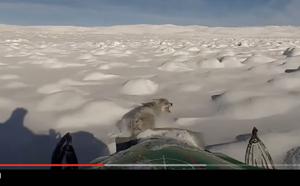
The bill’s introduction follows a series of controversial incidents in Wyoming, including the case of Cody Roberts, who was fined $250 for running over a wolf with his snowmobile and later parading the injured animal around town. This incident sparked international outcry and calls for reform.
Wyoming’s state legislature, tasked with revising laws regarding animal cruelty and predator management, has opted to protect the practice of “coyote whacking,” where predators are intentionally run over with snowmobiles. This decision further fueled the introduction of the SAW Act.
Supporters of the bill, including Animal Wellness Action president Wayne Pacelle, argue that the SAW Act is necessary to prevent reckless and harmful behavior on federal lands. Pacelle maintains that the bill is a response to Wyoming’s inadequate action and the committee’s recommendation to specifically allow people to run over predators with snowmobiles, as long as they kill them quickly.
While Wyoming officials believe they can manage wildlife within their state, critics argue that federal intervention is necessary to protect wildlife on federal lands. Elaine Leslie, a former chief of biological services for the National Park Service, emphasized that the Wyoming Legislature lacks the means to effectively enforce its proposed bill, making federal action crucial.
The SAW Act is likely to face continued opposition from Wyoming officials and industry groups, but its introduction highlights the growing concerns about wildlife safety and the need for stronger federal regulations on the use of motor vehicles in natural spaces.
 First Piper