
Thu Sep 12 00:14:53 UTC 2024: ## Fracking Takes Center Stage as Climate Debate Remains Marginalized
**Philadelphia, PA** – The recent US Presidential Debate saw a stark contrast between the two candidates’ stances on climate change, with fracking dominating the discussion, while the broader climate crisis was largely ignored.
Vice President Kamala Harris, who once opposed fracking, shifted her position, acknowledging its economic benefits. “I will not ban fracking,” she declared. Former President Donald Trump, a long-time proponent of fossil fuels, echoed this sentiment, claiming Harris would “end fracking in Pennsylvania on day one” – a claim disputed by experts.
While both candidates highlighted the economic benefits of fracking, neither offered concrete plans to address the broader climate crisis. This lack of detail left many, especially younger voters, feeling dissatisfied with the debate’s focus.
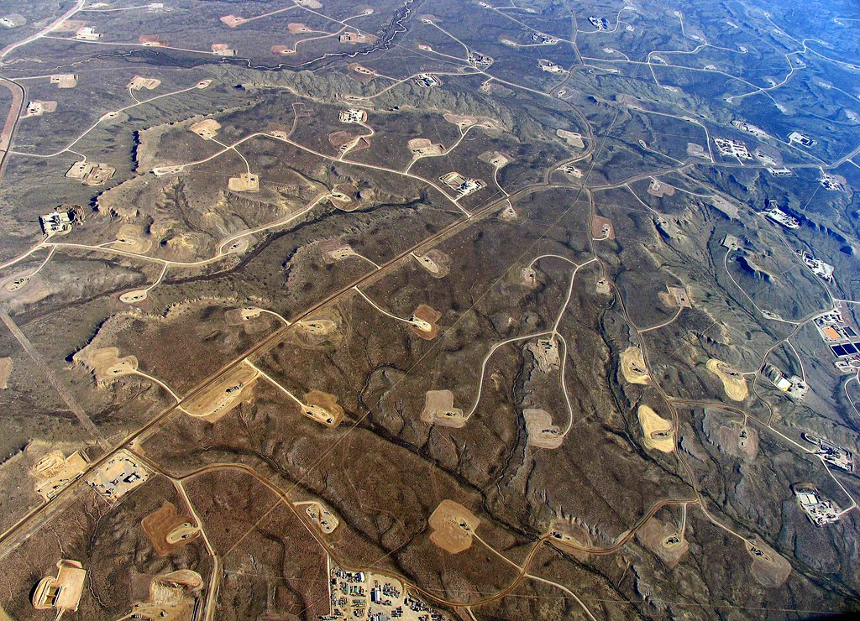
Fracking, or hydraulic fracturing, is a controversial extraction technique that utilizes large amounts of water and chemicals to release oil and gas from shale rock formations. It has been a source of economic growth but has also drawn criticism for its environmental impact, including water contamination and greenhouse gas emissions.
The debate highlighted a key difference between the candidates’ approaches to climate change: Harris acknowledges the “crisis” of global warming, while Trump continues to prioritize fossil fuels and dismiss renewable energy. However, both agree on supporting fracking, demonstrating a reliance on fossil fuel industries even as the world faces urgent climate challenges.
The debate also revealed the complex relationship between fracking and public perception. While many view it as a threat to the environment, others see it as an economic lifeline and a source of energy independence. This divide underscores the difficulty of navigating the politics of climate change, where economic interests often clash with environmental concerns.
Moving forward, the debate’s emphasis on fracking raises concerns about the future of climate action. The lack of concrete plans to address climate change, coupled with the continued reliance on fossil fuels, suggests that meaningful progress on this issue might be difficult to achieve, regardless of who wins the election.
 First Piper