
Fri Sep 13 04:47:19 UTC 2024: ## Hindu-Muslim Tensions Resurface in Shimla, Exposing India’s Deep-Rooted Identity Crisis
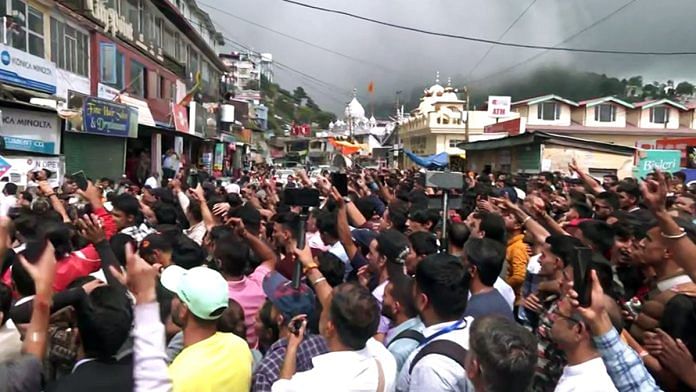
**Shimla, India** – Recent protests in Shimla over the alleged illegal construction of a mosque have brought to light a simmering tension between Hindu and Muslim communities in India. While the country prides itself on its diversity, these protests expose a deep-rooted anxiety about identity and belonging that often goes unaddressed.
The protests, fueled by fears of a changing demographic landscape, highlight a long-standing narrative of distrust and fear. Despite a history of peaceful coexistence in Shimla, Hindu residents in the Sanjauli area express concern over the perceived rise in the Muslim population, attributing it to a threat to their safety and the existing social balance.
While some argue these fears are unfounded, fueled by ignorance and generalization, the reality is that they are deeply rooted in India’s history. The country’s religious divisions have instilled a belief that a community’s fate is tied to its numbers, leading to anxieties that resurface whenever a perceived threat arises.
The protests in Shimla are not merely a local dispute. They represent a larger societal issue that has been politicized, exacerbating pre-existing tensions. This deep-seated anxiety about identity and belonging requires a nuanced approach that goes beyond blaming political figures or dismissing the issue as propaganda.
The government’s failure to find a solution to the ongoing mosque dispute, which has persisted for over a decade, further fuels tensions. The state must ensure that mob-driven coercion does not dictate policy, prioritizing due process and peaceful resolution over appeasement.
India’s diversity is a strength, but it also comes with challenges. To truly move forward, the country needs open dialogue, understanding, and trust-building initiatives to address the underlying anxieties that continue to fuel unrest and threaten its social fabric.
 First Piper