
Thu Sep 12 08:51:00 UTC 2024: ## Cholera Deaths Surge Globally, Driven by Conflict and Climate Change
**New York** – The world is grappling with a worsening cholera crisis as deaths from the waterborne disease soared in 2023, far exceeding the increase in cases, according to a new analysis by the World Health Organization (WHO).
Despite being easily preventable and treatable with inexpensive oral rehydration salts and antibiotics, cholera outbreaks have overwhelmed even well-prepared health systems in countries that haven’t seen the disease in years. The global death toll in 2023 was estimated at over 100,000, with reported cases rising by 13% and deaths increasing by a staggering 71% compared to the previous year.
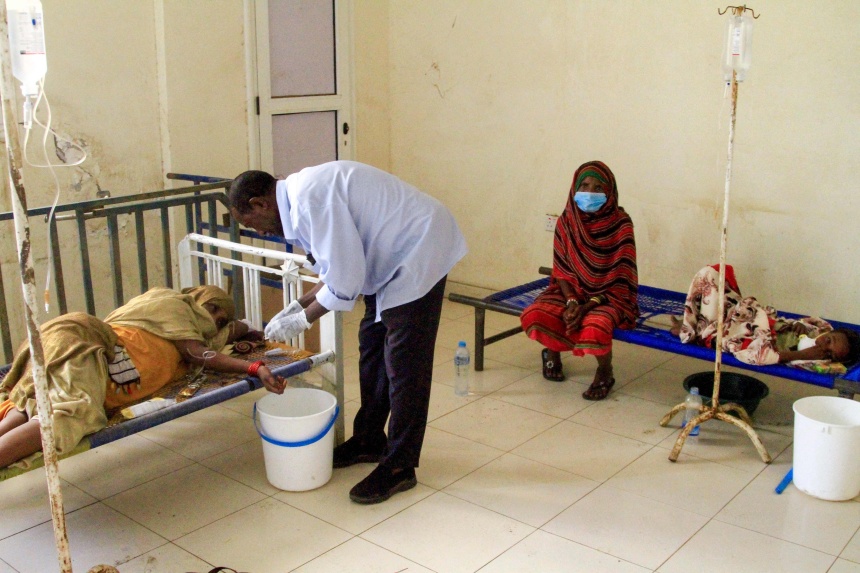
The WHO attributes the surge to a combination of conflict and climate change. In war-torn Sudan, for instance, displacement and inadequate sanitation have fueled the spread of cholera, while catastrophic weather events, including floods and droughts, have contributed to the disease’s rapid spread in southern Africa.
The burden of the disease has shifted from the Middle East and Asia to Africa, which saw a 125% increase in cases in 2023. Countries like Zambia and Malawi were overwhelmed by outbreaks despite mounting strong responses, with Lusaka, Zambia, even establishing a cholera treatment center in a stadium.
Adding to the challenge is a persistent global shortage of cholera vaccines. Demand has far outstripped supply for years, with key producers halting production. This has led to the unprecedented recommendation of using only a single dose of the vaccine instead of the standard two-dose regimen. Despite the efforts, only half of the vaccine requests were fulfilled in 2023, leaving vulnerable populations like those in Sudan and Gaza without adequate protection.
While the South Korean pharmaceutical company, EuBiologics, is working to increase vaccine production by 40% by the end of 2024, the total supply is not expected to exceed 70 million doses in 2025. With 24 countries currently experiencing outbreaks, the global need for the vaccine is expected to remain high, making the situation even more critical.
The WHO is calling for urgent action to address the crisis, highlighting the need for increased funding, improved sanitation infrastructure, and a concerted effort to boost vaccine production and distribution. Without swift action, the global cholera crisis is expected to worsen, putting millions of people at risk, particularly those in vulnerable communities already grappling with conflict, poverty, and climate change.
 First Piper