
Wed Sep 11 09:30:56 UTC 2024: ## Scholarly Publishing Embraces Inclusive Design: A Move Toward Equity and Accessibility
**New York, NY** – The scholarly publishing landscape is undergoing a significant shift towards inclusivity, moving beyond traditional methods to embrace human-centered design principles. This change recognizes the diverse needs of users and aims to create a more equitable and accessible environment for all.
While the industry has long focused on disseminating knowledge, it has often overlooked the unique experiences and challenges faced by individuals with disabilities. This has resulted in digital products and services that are inaccessible to many, creating barriers to participation in scholarly communication.
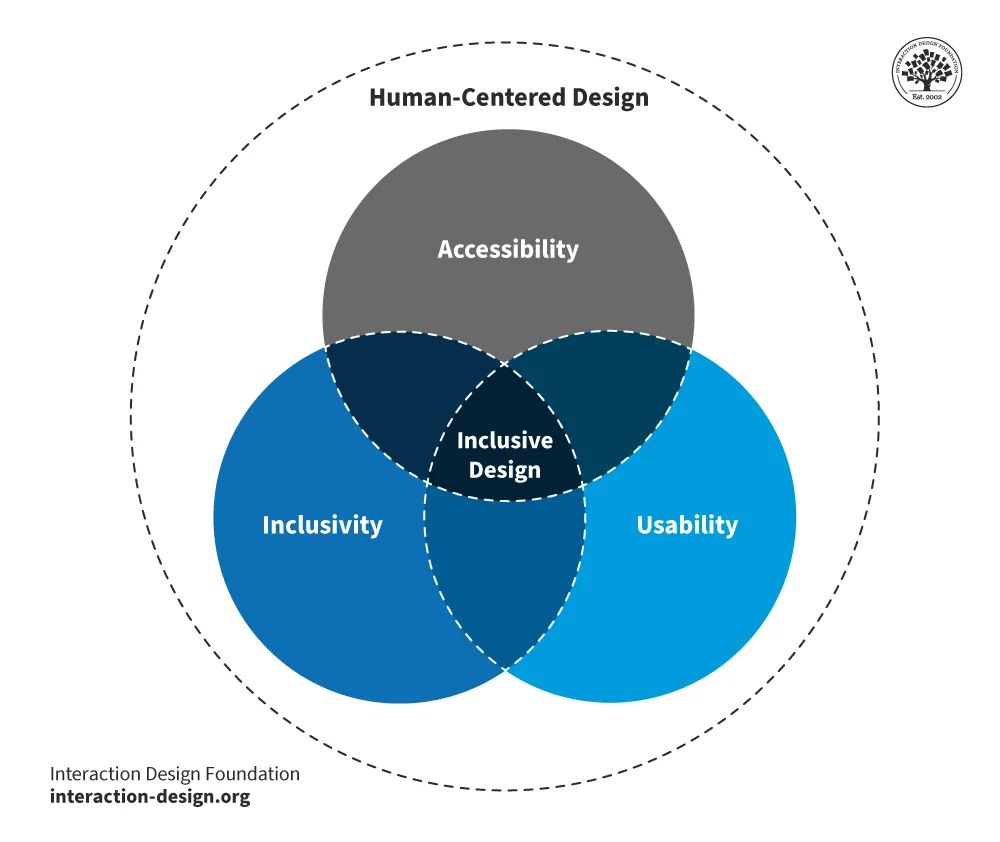
Recognizing this issue, experts are advocating for a paradigm shift towards inclusive design. This approach prioritizes understanding the diverse information experiences of users and ensures that products and services cater to their individual needs.
**Key Strategies for Inclusive Design in Scholarly Publishing:**
* **Embrace User Feedback:** Engage with a wide range of users, including those with disabilities, to understand their specific needs and pain points.
* **Develop Inclusive User Personas:** Create user profiles that reflect the diverse needs and experiences of potential users, including those with physical, cognitive, or auditory limitations.
* **Focus on “Jobs to be Done”:** Define the specific functional needs of target users and design solutions that enable them to achieve their primary tasks.
* **Integrate Accessibility Compliance:** Make accessibility a core component of all design and development processes, from initial planning to ongoing maintenance.
**Benefits of Inclusive Design:**
* **Increased Accessibility:** Ensures that all users, regardless of their abilities, can access and utilize scholarly resources.
* **Enhanced User Experience:** Creates a more welcoming and engaging environment for all users.
* **Expanded Market Reach:** Opens up new markets and revenue streams by catering to a wider audience.
* **Ethical Responsibility:** Promotes equity and inclusion in scholarly communication, ensuring that everyone has an equal opportunity to participate.
By adopting these strategies, scholarly publishing organizations can create a more inclusive and equitable landscape for all. This shift not only benefits users but also strengthens the reputation and impact of the publishing industry as a whole.
 First Piper