
Mon Sep 09 15:00:12 UTC 2024: ## Gift-Giving Fuels Inequality: New Study Explains How Societies Evolved
**Tokyo, Japan – September 3, 2024** – A groundbreaking new study, published today in the open-access journal PLOS Complex Systems, reveals how seemingly simple acts of gift-giving can drive the emergence of complex social structures and economic disparities within human societies.
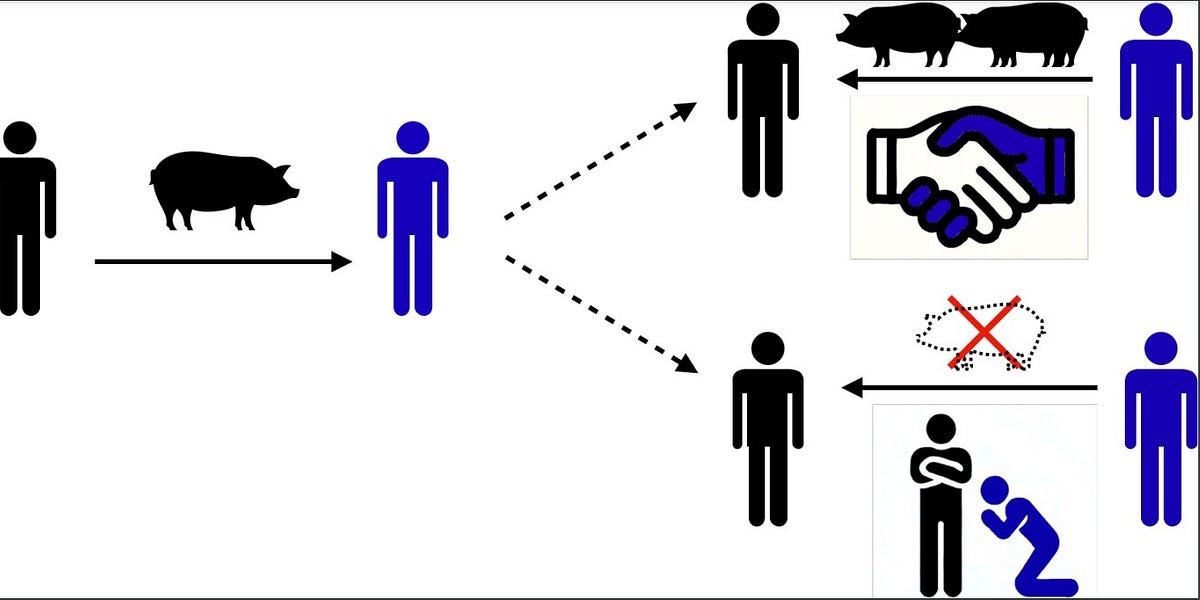
Researchers Kenji Itao and Kunihiko Kaneko, from the University of Tokyo, Copenhagen University, and the RIKEN Center for Brain Science, have developed a model that simulates the dynamics of competitive gift-giving in ancient societies. Their findings suggest that this practice, while intended to build social bonds, can actually lead to a “rich get richer” effect, creating significant inequality in both wealth and social status.
The study identifies four distinct phases of social organization, each characterized by a unique distribution of wealth and social influence:
* **Band Phase:** A relatively egalitarian society with minimal disparities in wealth and social reputation.
* **Tribe Phase:** Early signs of economic disparity emerge, with wealth concentrated in the hands of a few.
* **Chiefdom Phase:** Both economic and social disparities become pronounced, with a small elite holding significant power and influence.
* **Kingdom Phase:** Economic inequality remains high, while social disparities are less pronounced, except for the monarch, who holds exceptional social status.
The researchers found that the frequency and scale of gift-giving interactions play a crucial role in determining the transition between these phases. Frequent and large-scale gift exchanges drive the emergence of inequality, while less frequent interactions lead to more equitable societies.
This research offers a new understanding of the mechanisms behind social evolution, providing a theoretical basis for historical observations on the emergence of complex social structures. The study emphasizes the role of seemingly simple social practices, like gift-giving, in shaping the dynamics of power and inequality throughout human history.
“This study demonstrates the power of quantitative models to explain complex social phenomena,” said lead author Dr. Itao. “By understanding the dynamics of gift-giving, we gain insights into the forces that have shaped our social world.”
The study’s findings have implications for understanding current social and economic inequalities, highlighting the potential for seemingly innocuous social practices to have significant, and often unintended, consequences.
 First Piper