
Fri Apr 10 06:23:37 UTC 2026: # Kollam Assembly Elections See Strong Voter Turnout in 2026
The Story:
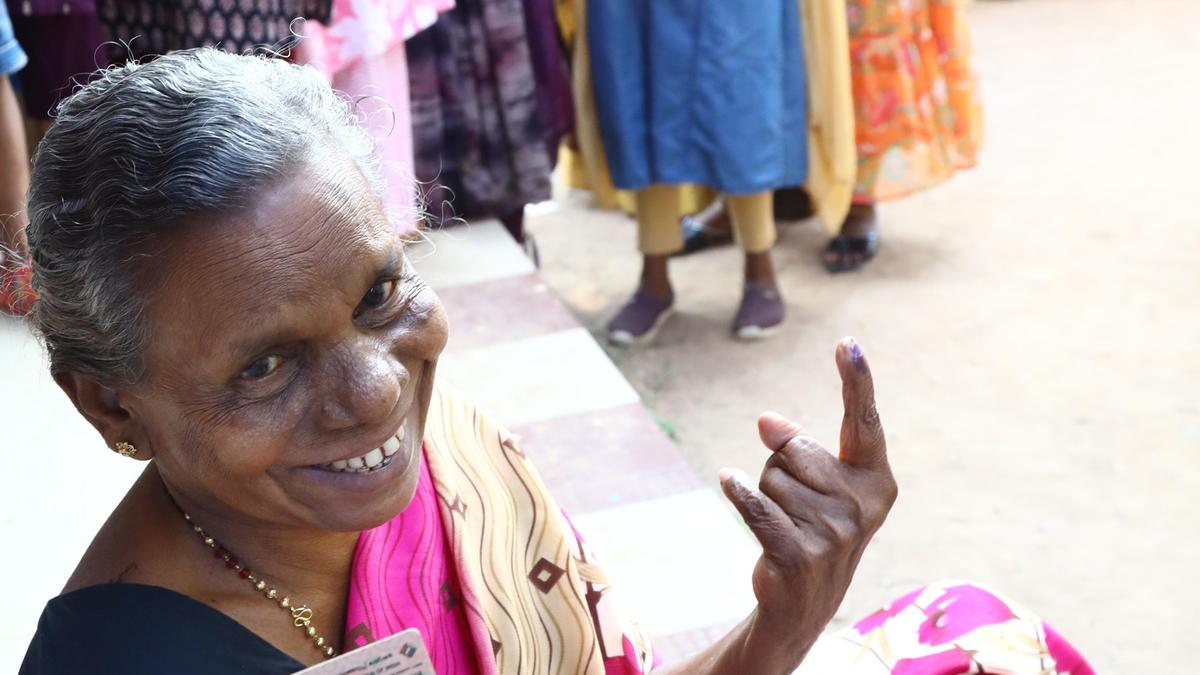
The 2026 Assembly elections in the Kollam district of Kerala concluded with a robust voter turnout of 76.27%. The election saw steady participation throughout the day, starting with a modest 16.04% in the initial hours and progressively increasing to 32.94% by midday and 48.9% by afternoon. The final hours witnessed a significant surge, culminating in the closing figure. The district has 20,87,992 registered voters.
Key Points:
- The 2026 Assembly elections in Kollam district recorded a 76.27% voter turnout.
- There are 20,87,992 registered voters in the district.
- Early morning turnout was 16.04%.
- Midday turnout reached 32.94%.
- Afternoon turnout was 48.9%.
Critical Analysis:
The related historical context provides interesting points of comparison. The report of AI surveillance during the Kerala elections suggests a proactive approach to managing crowds and ensuring a smooth voting process. Reports of post-poll violence in Kannur, another district in Kerala, highlights a potential undercurrent of tension, which the high voter turnout in Kollam could reflect – perhaps indicating a strong desire to influence the outcome and a need to have their voices heard to prevent unfavorable outcomes.
Key Takeaways:
- The high voter turnout in Kollam indicates a strong civic engagement within the district.
- The steady increase in voter participation throughout the day suggests effective mobilization strategies by political parties or community organizations.
- The contrast with reports of post-poll violence in other Kerala districts suggests that while democratic participation is high, underlying tensions may exist.
Impact Analysis:
The high voter turnout in Kollam could influence future election strategies in Kerala. Parties may focus on replicating successful mobilization techniques observed in Kollam. Also, the AI surveillance used in the election signals a trend toward using technology to manage elections and prevent irregularities, potentially leading to wider adoption of similar systems in future elections across the state and country. It also emphasizes the importance of maintaining peace and order after elections to prevent violence.
 First Piper