
Thu Apr 09 13:59:17 UTC 2026: ### India and Bangladesh Forge New Path After BNP Election Victory
The Story:
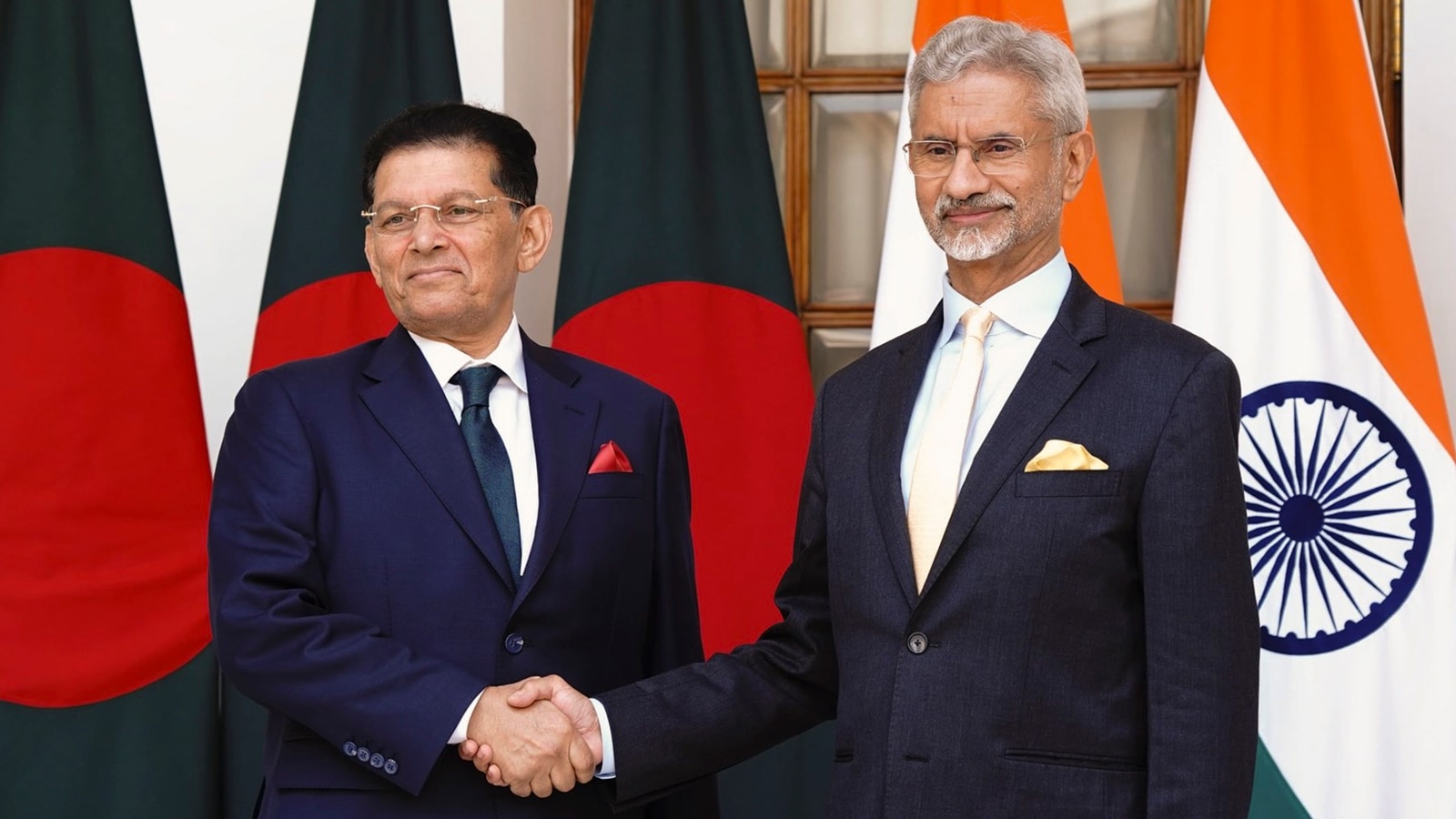
Following the Bangladesh Nationalist Party’s (BNP) victory in the February national elections, India and Bangladesh are actively working to reset and strengthen bilateral relations. This comes after a period of strained ties during the interim government’s rule. Bangladesh Foreign Minister Khalilur Rahman’s visit to Delhi signals Dhaka’s commitment to building sustainable political relations with New Delhi. Prior to the election, India extended a “gesture of goodwill” by sending External Affairs Minister S Jaishankar to attend Khaleda Zia’s funeral and delivering Prime Minister Narendra Modi’s condolences to Tarique Rahman. Now, both nations are engaging in various initiatives to improve connectivity and cooperation, including resuming visa services, bus routes, and scholarship programs.
Key Points:
- The BNP came to power in Bangladesh’s February elections.
- India’s External Affairs Minister S Jaishankar attended Khaleda Zia’s funeral in December, seen as a gesture of goodwill.
- Bangladesh Foreign Minister Khalilur Rahman visited Delhi to foster sustainable political relations.
- Visa services, bus routes, and scholarship programs have been resumed to improve people-to-people connectivity.
- The “Bangladesh First” foreign policy emphasizes balanced diplomacy.
- The India-Bangladesh Friendship Pipeline ensured fuel supply during a recent Middle East crisis, with India considering an additional 50,000 tonnes of diesel.
- Discussions included defence cooperation, additional fuel supply, and extradition requests.
- Bangladesh seeks increased diesel and fertilizer supplies from India.
Critical Analysis:
The historical context reveals Petroleum Minister Hardeep Puri’s urgent visit to Qatar in the same timeframe, driven by gas supply constraints amidst a global energy crisis. This backdrop underscores the strategic importance of the India-Bangladesh Friendship Pipeline and Dhaka’s request for increased fuel supplies. The need to secure stable energy resources is a significant factor influencing India’s eagerness to strengthen ties with Bangladesh and ensure the continued flow of diesel through the pipeline.
Key Takeaways:
- The BNP’s election victory has opened a window for a potential reset in India-Bangladesh relations.
- Energy security, particularly diesel supply through the Friendship Pipeline, is a key driver of the renewed engagement.
- Both countries are prioritizing people-to-people connectivity to foster goodwill.
- Extradition requests highlight existing tensions and complexities in the bilateral relationship.
- Bangladesh aims for a more balanced and less dependent foreign policy, while seeking cooperation with India on mutual interests.
Impact Analysis:
The renewed focus on India-Bangladesh relations has potentially significant long-term implications. Enhanced energy cooperation through the Friendship Pipeline could bolster Bangladesh’s energy security and reduce its vulnerability to global supply disruptions. Increased connectivity through visa services, bus routes, and scholarships could foster greater understanding and goodwill between the two nations. The success of this “fresh start” will depend on addressing contentious issues and maintaining a sustained commitment to cooperation, potentially reshaping the geopolitical landscape of the region.
 First Piper