
Tue Apr 07 04:34:18 UTC 2026: # Centre Opposes “Straitjacket” Definition of Religious Denomination in Sabarimala Case
The Story:
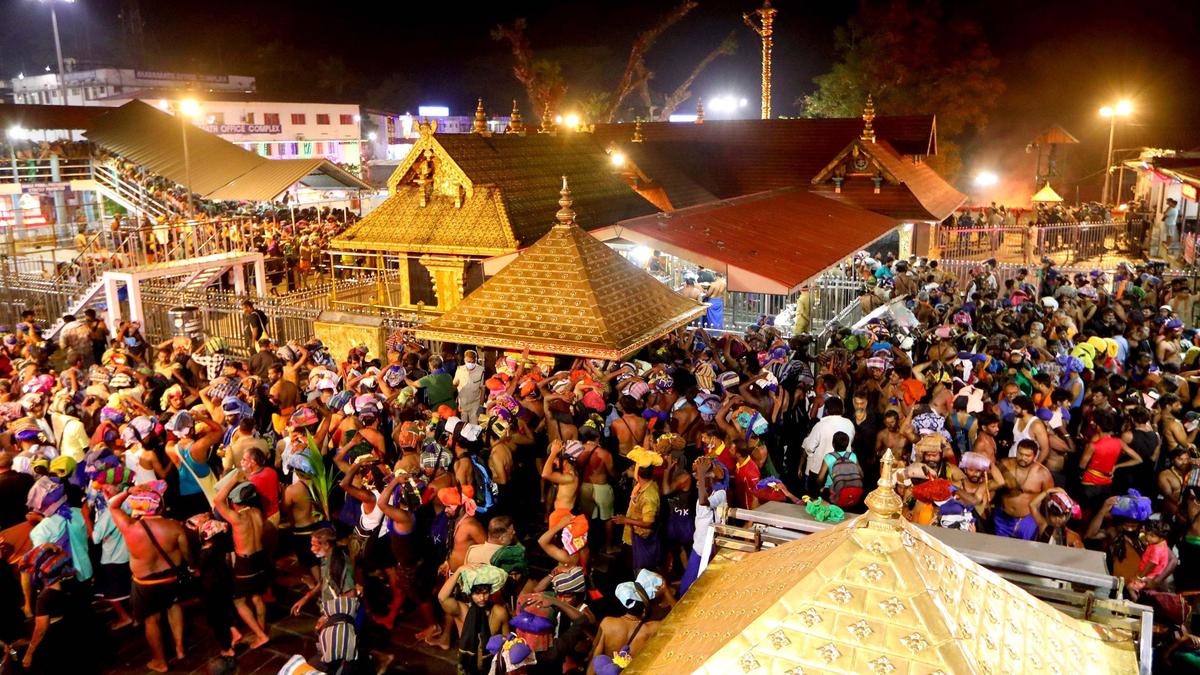
The Union government has argued before the Supreme Court that defining ‘religious denomination’ or ‘essential religious practices’ with rigid rules would undermine the diverse nature of Hinduism. This stance was presented ahead of a hearing by a nine-judge Bench, led by Chief Justice of India Surya Kant, on writ and review petitions related to the Sabarimala temple case, starting on April 7, 2026. The core issue revolves around the extent to which constitutional courts can intervene in matters of faith.
The government’s submission directly challenges the September 2018 Supreme Court judgment that denied ‘Ayyappans’ status as a separate religious denomination and questioned the ban on women aged 10-50 from entering the Sabarimala temple.
Key Points:
- The Union government argues that a strict definition of religious denomination would “compress” the plural nature of Hinduism.
- The government’s submission counters the 2018 Supreme Court judgment on the Sabarimala temple case.
- The 2018 judgment had concluded that devotees of Ayyappa were not a separate religious denomination.
- The government claims the 2018 ruling restricts intrareligious diversity.
- Drawing inflexible rules to define religious denominations and establish essential religious practices would lead to confusing results especially in religions like Hinduism which are devoid of any mandatory written codes or canonical texts.
- The nine-judge Bench will address the broader question of court intervention in core matters of faith.
Critical Analysis:
The historical context shows the Kerala and Central governments were already backing a review of the 2018 Sabarimala judgment the day before this hearing. This suggests a coordinated effort to re-examine the legal and constitutional aspects of religious practices and court intervention.
Key Takeaways:
- The Union government is actively pushing back against a narrow interpretation of religious practices, particularly within Hinduism.
- The Supreme Court is revisiting the contentious issue of religious freedom and the extent of judicial oversight.
- The case highlights the inherent challenges in defining religious denominations and essential practices in diverse religions.
- The outcome of this hearing could significantly impact the interpretation of Articles 25 and 26 of the Constitution, which guarantee religious freedom.
Impact Analysis:
The Supreme Court’s decision will likely have far-reaching consequences for religious freedom in India. A ruling that favors a broader interpretation of religious practices could empower various religious groups to assert their unique customs and traditions. Conversely, a narrower interpretation could lead to increased judicial scrutiny of religious practices, potentially sparking further legal challenges and social unrest. This case will set a precedent for future disputes involving religious freedom and the role of the judiciary in interpreting religious practices.
 First Piper