
Tue Apr 07 02:10:26 UTC 2026: ### Headline: Opposition’s Attempt to Remove Chief Election Commissioner Fails as Notice is Rejected
The Story:
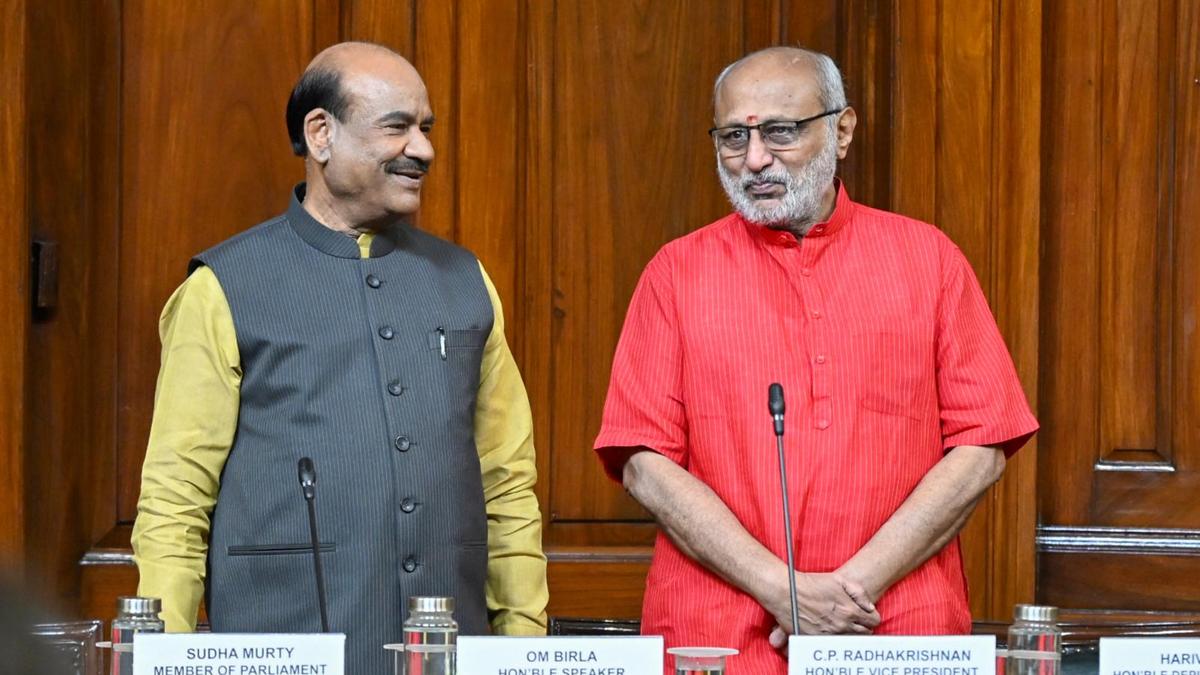
Rajya Sabha Chairman C. P. Radhakrishnan and Lok Sabha Speaker Om Birla have rejected a notice submitted by 193 Opposition Members of Parliament (MPs) seeking the removal of Chief Election Commissioner (CEC) Gyanesh Kumar. The notice, submitted on March 12, 2026, alleged that the CEC was “subservient” to the executive and guilty of “wilful and deliberate abuse of power.” The Secretaries General of both Houses issued bulletins stating that the notice was rejected after “due consideration” and “careful and objective assessment,” citing Section 3 of the Judges (Inquiry) Act, 1968, which governs the removal process for the CEC.
Key Points:
* 193 Opposition MPs across both Houses signed a notice seeking the removal of CEC Gyanesh Kumar.
* The notice accused the CEC of being “subservient” to the executive and of abusing his power.
* Rajya Sabha Chairman C. P. Radhakrishnan and Lok Sabha Speaker Om Birla rejected the notice, citing Section 3 of the Judges (Inquiry) Act, 1968.
* No specific reasons were provided for the rejection.
* The Trinamool Congress (TMC) spearheaded the Opposition’s effort.
* Congress Chief Whip Jairam Ramesh alluded to the resignation of a previous Rajya Sabha Chairman after accepting a similar petition.
Critical Analysis:
The rejection of the notice to remove the CEC highlights the deep political divisions within the Indian Parliament. The Opposition’s move, spearheaded by the TMC, suggests a lack of confidence in the impartiality of the Election Commission. The reference by Jairam Ramesh to the previous Chairman’s resignation implies that political pressure may have influenced the current decision. The timing, during the Budget session, further underscores the political nature of the event.
Key Takeaways:
* The rejection of the notice underscores the ruling party’s control over parliamentary procedures.
* The Opposition’s accusations against the CEC indicate concerns about the fairness and independence of the electoral process.
* The invocation of the Judges (Inquiry) Act, 1968, highlights the stringent legal requirements for removing a CEC.
* The event reflects the increasing polarization of Indian politics.
Impact Analysis:
This event is likely to further erode trust in the Election Commission among Opposition supporters. It could also lead to increased scrutiny of the CEC’s decisions and actions in the lead-up to future elections. The failed attempt may galvanize the Opposition to seek alternative means of holding the CEC accountable. The long-term impact could be a more contentious relationship between the government and the Election Commission.
 First Piper