
Sun Apr 05 04:27:44 UTC 2026: ### Headline: Iran-Israel War Drives Up Fuel Prices in the U.S., Threatening Economic Stability
The Story:
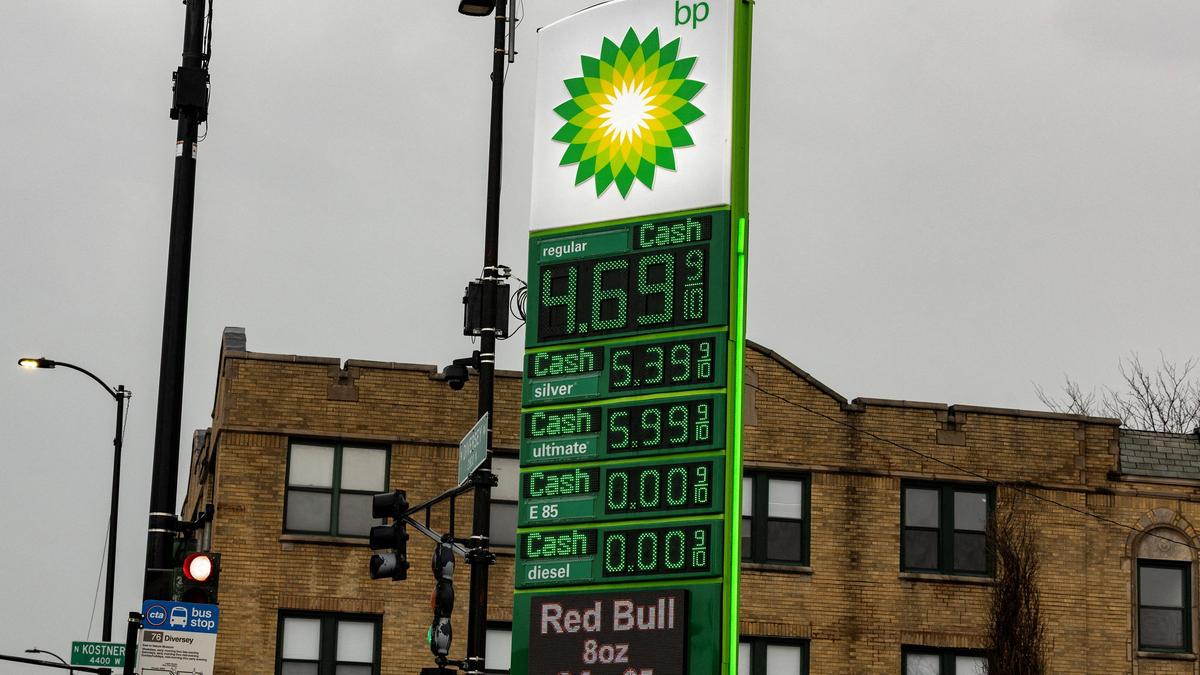
The ongoing war between Iran and Israel is beginning to significantly impact the American economy, primarily through rising fuel costs. As of April 3, 2026, the average price of gasoline in the U.S. has surged to $4.09 a gallon, a dollar increase since the conflict began and the highest since August 2022. Diesel prices have seen an even sharper rise, reaching $5.53 per gallon. These increases are triggering surcharges from major delivery services like Amazon and the U.S. Postal Service, raising concerns about broader inflationary pressures and potential supply chain disruptions.
The conflict’s impact is felt globally, with Asia already experiencing oil rationing and Europe bracing for shortages. While the U.S. is expected to feel the effects later due to longer shipping times from the Persian Gulf, concerns are growing that California, due to its isolated fuel supply system, could face shortages as early as late April or May. Experts warn of potential “sticker shock” for consumers already worried about affordability and the rising cost of living.
Key Points:
- U.S. gasoline prices have risen to $4.09 a gallon as of April 3, 2026, the highest since August 2022.
- Diesel prices have surged to $5.53 per gallon.
- Amazon plans to implement a 3.5% fuel surcharge on third-party sellers starting April 17, 2026.
- The U.S. Postal Service seeks an 8% temporary fuel surcharge for package and express mail deliveries, effective April 26, 2026, until January 17, 2027.
- The Hormuz Strait blockade is costing the global economy hundreds of millions of barrels of oil.
- California is potentially facing fuel shortages in late April or May.
Critical Analysis:
The speed and severity with which the Iran-Israel conflict is impacting global fuel markets underscore the interconnectedness of the global economy and the vulnerability of supply chains to geopolitical instability. The historical context provided shows escalating tensions, including attacks on energy infrastructure in the UAE, Bahrain, and Kuwait, indicating a deliberate strategy by Iran to disrupt oil supplies. This supports the article’s claim that the Hormuz Strait blockade is a major factor in the rising fuel prices.
Key Takeaways:
- The Iran-Israel war is directly impacting the U.S. economy through rising fuel costs.
- These rising costs are likely to exacerbate existing inflationary pressures and impact consumer spending.
- Supply chain disruptions are a significant concern, particularly for regions like California.
- The conflict highlights the strategic importance of the Hormuz Strait for global energy security.
- Geopolitical risks are increasingly impacting everyday economic realities.
Impact Analysis:
The fuel price increases and potential shortages could have significant long-term implications for the U.S. economy.
- Inflation: Higher transportation costs will likely translate into higher prices for a wide range of goods and services, potentially leading to a period of sustained inflation.
- Consumer Behavior: Consumers may reduce discretionary spending and alter their purchasing habits to cope with increased costs.
- Supply Chain Resilience: The crisis may force businesses to re-evaluate their supply chains and seek more diversified and resilient options.
- Energy Policy: The events could accelerate the transition to alternative energy sources and increase investments in domestic energy production.
- Geopolitical Strategy: The U.S. may need to reassess its foreign policy strategy in the Middle East to mitigate future disruptions to global energy
 First Piper