
Fri Apr 03 08:34:59 UTC 2026: Headline: Avocado’s Journey from Ancient Staple to Indian Brunch Sensation Detailed
The Story:
An article published in The Hindu on April 3, 2026, explores the rising popularity of avocados in India. Once a relatively unknown fruit, avocados are now a common sight in Indian supermarkets and a staple on brunch menus. The article delves into the avocado’s history, tracing its origins back to Central America over 10,000 years ago and its subsequent global spread. It also discusses the fascinating biological processes of avocado flowers and the fruit’s evolutionary relationship with giant ground sloths, which acted as key seed dispersers before humans.
Key Points:
- Avocados are increasingly popular in Indian cities, driven by their nutritional value and social media trends.
- The avocado, Persea americana, originated in Central America and held cultural significance in ancient Mesoamerica.
- Avocado cultivation expanded globally after 1900 due to grafting techniques.
- Avocado flowers exhibit a unique flowering behavior called protogynous dichogamy, opening twice a day as both male and female.
- Giant ground sloths were the primary seed dispersers of avocados before human intervention.
- Wild relatives of avocados exist in the Eastern Himalayas, including Machilus edulis and Phoebe bootanica.
Critical Analysis:
The provided historical context shows a growing trend of avocado consumption and integration into various food cultures, as evidenced by mentions in relation to “avocado toast” alongside other popular breakfast options. This trend, coupled with the article’s focus on the fruit’s nutritional value and social media presence, indicates a deliberate marketing and cultural adoption strategy contributing to its increased demand in India.
Key Takeaways:
- The avocado’s journey demonstrates the globalization of food and the impact of social media on dietary trends.
- Understanding the biological processes of plants, such as the avocado’s flowering behavior, is crucial for successful cultivation.
- The history of avocados highlights the interconnectedness of species and the role of both animals and humans in seed dispersal.
- The article emphasizes the shift of avocado from a rare item to a common grocery item in India.
- The existence of wild avocado relatives in India suggests potential for local cultivation and biodiversity research.
Impact Analysis:
The increasing popularity of avocados in India could have several long-term implications:
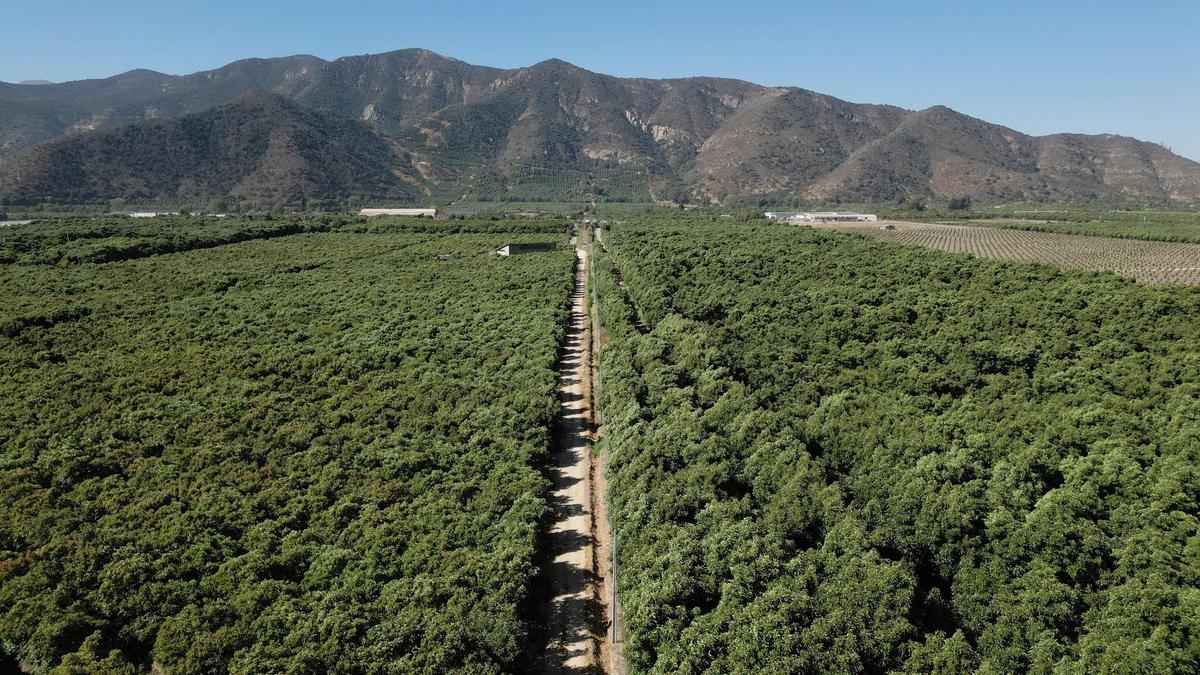
- Agricultural Development: Opportunities for local avocado cultivation could emerge, potentially boosting the agricultural sector in regions with suitable climates.
- Economic Impact: The avocado trade could create new economic opportunities for farmers, retailers, and related industries.
- Dietary Changes: Increased avocado consumption could contribute to dietary diversity and improved nutrition among Indian consumers.
- Environmental Considerations: Sustainable farming practices will be essential to mitigate the environmental impact of increased avocado production, such as water usage and deforestation.
- Research Opportunities: Further research into the wild relatives of avocados in India could lead to valuable insights into plant evolution and conservation.
 First Piper