
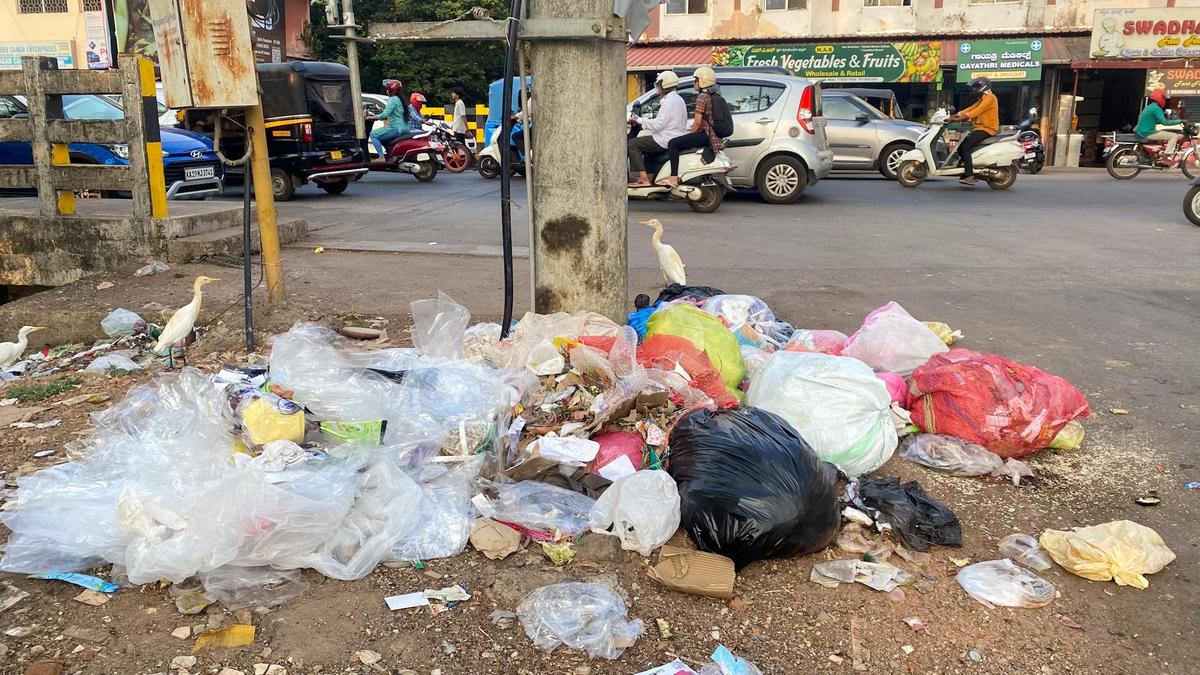
Thu Apr 02 13:16:42 UTC 2026: # Mangaluru Enforces Four-Stream Waste Segregation Under New National Rules
The Story:
The Mangaluru City Corporation (MCC) has mandated four-stream waste segregation at the source, effective April 1, 2026, in accordance with the Solid Waste Management Rules, 2026, notified by the Union Ministry of Environment, Forest, and Climate Change. The new rules supersede the 2016 regulations and require separation of solid waste into wet, dry, sanitary, and special care categories. This initiative aims to improve waste management efficiency in the city.
Key Points:
* The MCC is implementing four-stream waste segregation.
* The mandate is based on the Solid Waste Management Rules, 2026, which came into effect on April 1, 2026.
* Waste must be segregated into wet, dry, sanitary, and special care categories at the source.
* The Union government notified the new rules on January 27, 2026, superseding the 2016 rules.
* Bulk Waste Generators are defined as offices, malls, hospitals, and residential complexes that generate an average of more than 100 kg of waste per day or have an area of more than 20,000 sq. meters and use more than 40,000 litres of water per day.
Critical Analysis:
The historical context reveals a broader, nationwide push for improved waste management and segregation. The Tiruppur Corporation’s mobilization of school students and the Erode Corporation’s waste segregation efforts ahead of Pongal indicate proactive measures at the local level to raise awareness and implement segregation practices. The Jammu’s strict segregation rules, though related to massage parlours, highlights a trend towards stricter regulations and enforcement. The Supreme Court’s discussion on segregation rules further demonstrates the national importance of segregation policies. The Mangaluru initiative appears to be a part of this larger, coordinated effort to improve solid waste management across India, driven by national regulations and implemented through local authorities.
Key Takeaways:
* The implementation of the Solid Waste Management Rules, 2026, signifies a renewed national focus on waste segregation.
* Local bodies like the MCC are actively enforcing these rules, indicating a decentralized approach to implementation.
* The four-stream segregation mandate aims to improve waste processing efficiency and reduce environmental impact.
* Public awareness campaigns and proactive measures are crucial for the success of these initiatives.
* The definition of “Bulk Waste Generators” places responsibility on larger entities to manage their waste effectively.
Impact Analysis:
The mandatory four-stream waste segregation policy has significant long-term implications for Mangaluru and potentially for other cities adopting similar measures. If effectively implemented, it can lead to:
- Reduced Landfill Burden: Improved segregation can divert significant amounts of waste from landfills, extending their lifespan and reducing environmental pollution.
- Increased Recycling Rates: Separating recyclable materials at the source can improve the quality of recyclables and increase recycling rates, contributing to a circular economy.
- Improved Public Health: Proper segregation of sanitary waste can reduce the risk of disease transmission and improve public health outcomes.
- Environmental Sustainability: By promoting responsible waste management practices, the policy can contribute to a more sustainable environment and reduce the city’s carbon footprint.
- Economic Opportunities: The policy can create economic opportunities in the waste management sector, such as waste collection, processing, and recycling.
 First Piper