
Tue Mar 31 16:08:20 UTC 2026: Headline: Delimitation Debate Heats Up: Southern States Fear Political Marginalization as Congress Nuances Stance
The Story:
A contentious debate has emerged in India regarding the proposed delimitation exercise based on the 2011 Census, intended to implement the women’s reservation law by the 2029 Lok Sabha elections. The Union government’s proposal has triggered concerns, particularly among southern states, who fear a loss of political representation due to differing population growth rates compared to northern states. The Congress party, initially a proponent of immediate implementation of the women’s reservation law, is now calling for an all-party meeting to discuss the potential impact of the delimitation exercise.
Key Points:
* The Union government proposes delimitation based on the 2011 Census for implementing women’s reservation by 2029.
* Congress demands an all-party meeting to discuss the potential impact, reversing its earlier stance.
* Southern states fear a loss of political representation due to population-based seat allocation.
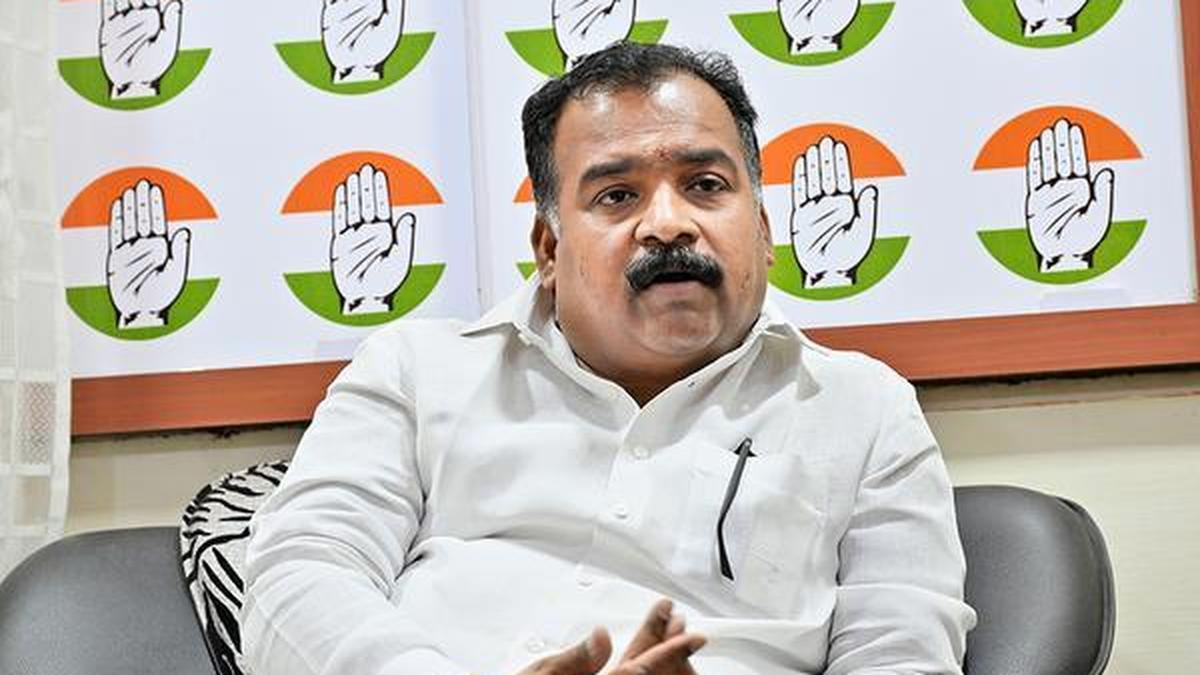
* Congress MP Manickam Tagore highlighted the potential increase in seats for northern states (200 seats) compared to southern states (66 seats).
* The government is reportedly considering increasing Lok Sabha seats from 543 to around 816, with 33% reserved for women.
* Congress seeks clarity on representation for SCs, STs, and OBCs within the women’s reservation framework.
* Sonia Gandhi raised the issue of caste-based reservations for women during the September 2023 Lok Sabha debate on the Nari Shakti Vandan Adhiniyam.
* Telangana Chief Minister A. Revanth Reddy flagged the implications of a population-based increase in seats for southern States.
Critical Analysis:
The seemingly sudden shift in the Congress party’s stance is significant. While previously advocating for immediate implementation of the women’s reservation bill, the party now appears to be strategically aligning itself with concerns raised by regional leaders, particularly from southern states. This may be an attempt to consolidate support in these regions, especially given that many are governed by non-NDA parties. The historical context of other negative news stories about the Congress party on the same day suggests a broader struggle for political positioning and relevance, with the delimitation issue providing a new battleground.
Key Takeaways:
* The delimitation exercise based on the 2011 Census is generating significant political tension, particularly between northern and southern states.
* The Congress party’s nuanced stance indicates a strategic realignment, potentially to leverage regional anxieties for political gain.
* The debate highlights the complexities of implementing national policies in a diverse country with varying demographic trends.
* The issue of caste-based representation within the women’s reservation framework remains a contentious point.
* The timing of the delimitation exercise could influence the broader debate on caste-based quotas.
Impact Analysis:
The delimitation exercise and its associated debates could have far-reaching consequences on the Indian political landscape. A significant shift in parliamentary representation towards states with higher population growth could alter the balance of power in the Lok Sabha, potentially marginalizing the influence of southern states. This could lead to increased regionalism and further complicate center-state relations. Furthermore, the ongoing debate about caste-based reservations will likely intensify, potentially reshaping the dynamics of social justice and political representation in India for decades to come. The outcome of the all-party meeting, if it occurs, and the final contours of the delimitation exercise will be crucial in determining the long-term impact on the Indian polity.
 First Piper