
Tue Mar 31 05:00:27 UTC 2026: ### Headline: India Declares Victory Over Maoist Insurgency
The Story:
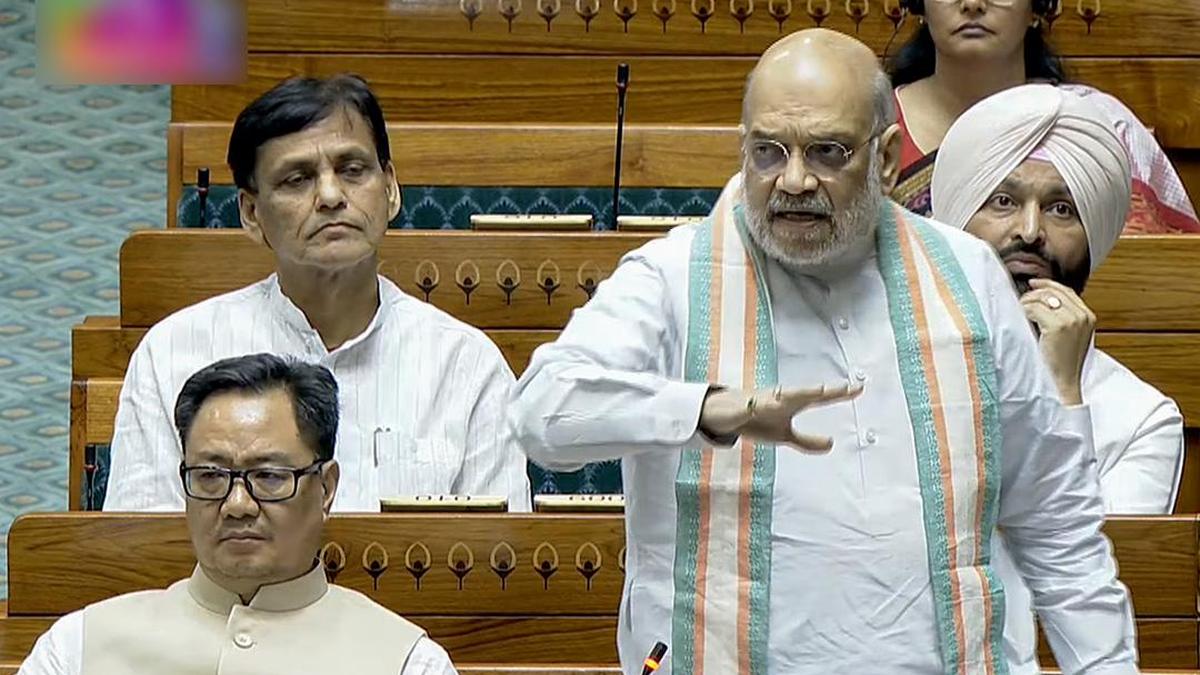
Union Home Minister Amit Shah announced on March 30, 2026, that India has become “Naxal-free,” marking a significant milestone in the country’s fight against Maoist insurgency. Addressing the Lok Sabha, Shah stated that the leadership structure of the Communist Party of India (Maoists) has been nearly completely dismantled in the past two years. He attributed this success to a clear policy, strong political will, and the strategic deployment of dialogue, security measures, and inter-agency coordination, including the use of advanced technology for surveillance and intelligence gathering.
Shah highlighted the dramatic reduction in Maoist influence, stating that of the 21 Politburo and Central Committee members present at the beginning of 2024, one was arrested, seven surrendered, twelve were killed, and dialogue is ongoing with the remaining absconding member. He contrasted the current government’s approach with the previous Congress-led UPA Government, asserting that a lack of decisive action hindered progress in tackling the insurgency.
Key Points:
- Amit Shah declared India “Naxal-free” on March 30, 2026.
- The Maoist leadership structure has been “almost completely dismantled” in the past two years.
- 706 Maoists were killed, 2,218 were arrested, and over 4,800 cadres surrendered in the past three years.
- The government utilized dialogue, security measures, and coordination, including advanced technology like drone surveillance, satellite imaging, and AI-based data analysis.
- Key dates mentioned: August 10, 2019 (MHA meeting for police coordination), August 24, 2024 (Announcement of Maoism elimination target), and March 31, 2026 (Target date for a Naxal-free India).
Critical Analysis:
The timeline provided by Amit Shah reveals a deliberate and phased approach to combating Maoism. The August 10, 2019 meeting appears to have been crucial in establishing a framework for coordinated action. The shift in Chhattisgarh’s government in January 2024, and the subsequent full support provided, underscores the importance of state-center cooperation in addressing the issue. The announcement on August 24, 2024, of a fixed target date suggests a focused and determined political strategy.
Key Takeaways:
- The government prioritized a multi-pronged strategy involving security operations, dialogue, and rehabilitation programs.
- The use of advanced technology played a significant role in intelligence gathering and targeted operations.
- Political will and inter-agency coordination were critical factors in achieving success.
- State-center cooperation is essential for effectively addressing internal security threats.
- The government’s focus on specific timelines and targets helped maintain momentum and accountability.
Impact Analysis:
The declaration of a “Naxal-free” India, if sustainable, could have profound long-term implications:
- Economic Development: Freed from the constraints of Maoist violence, affected regions may experience increased economic activity and investment, leading to improved living standards for marginalized communities.
- Social Stability: Reduced violence and improved governance can foster social cohesion and trust between the state and its citizens in previously conflict-ridden areas.
- Security Landscape: A successful counter-insurgency strategy may serve as a model for addressing other internal security challenges facing India.
- Political Capital: The government can leverage this achievement to bolster its credibility and garner support for other policy initiatives.
- International Image: A more stable and
 First Piper