
Mon Mar 30 06:10:03 UTC 2026: Headline: Indian National Killed in Iranian Strike on Kuwaiti Desalination Plant, Escalating Gulf Tensions
The Story:
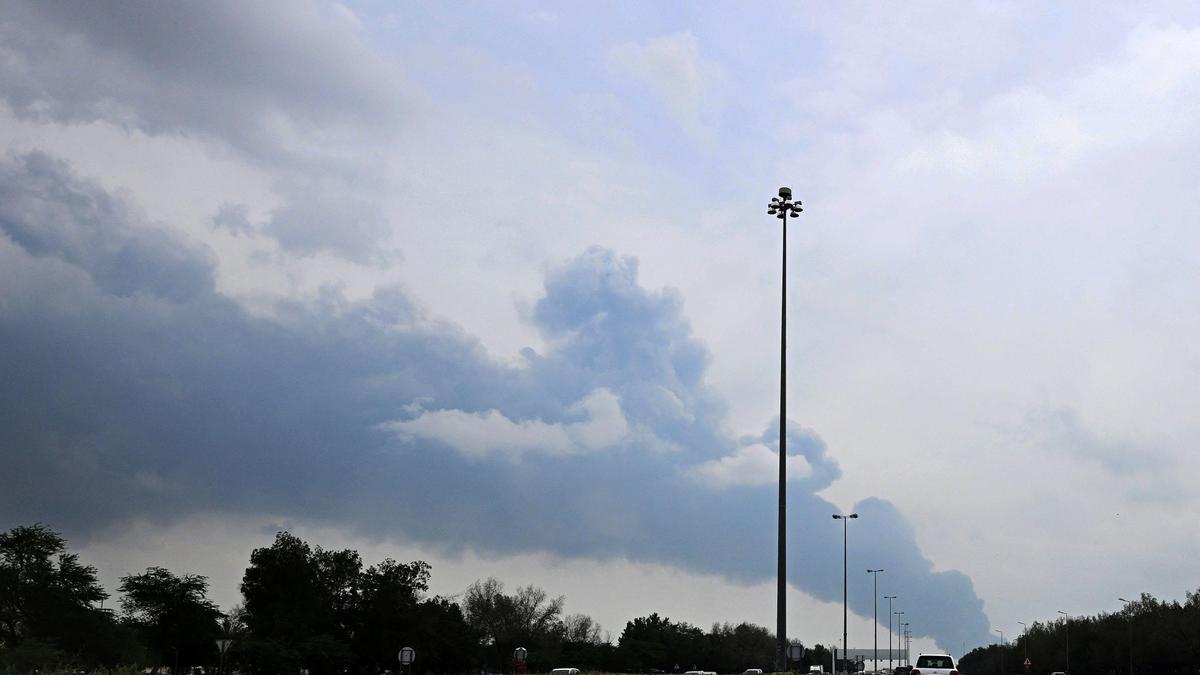
An Indian national was killed in Kuwait on March 29, 2026, as a result of Iranian strikes targeting a power and water desalination plant. The attack, which Kuwaiti officials described as “brutal,” damaged a service building at the plant. This incident follows joint U.S. and Israeli strikes on Tehran on February 28, 2026, further escalating tensions in the Gulf region. The Indian Embassy in Kuwait is coordinating with Kuwaiti authorities to provide assistance.
Key Points:
- An Indian national was killed in Kuwait due to Iranian strikes on a desalination plant on March 29, 2026.
- The Indian Embassy in Kuwait is providing support and assistance.
- Kuwait’s Ministry of Electricity, Water and Renewable Energy confirmed damage to a service building at the plant.
- The attack is part of a broader escalation following joint U.S. and Israeli strikes on Tehran on February 28, 2026.
- This is the latest instance of Indian nationals being caught in the crossfire of regional conflicts. Previously, an Indian national was killed in the UAE by missile debris.
Critical Analysis:
The historical context shows a clear escalation of the conflict between Iran and Israel/US, drawing in other nations in the region, including Kuwait and the UAE. The fact that critical infrastructure like desalination plants are being targeted suggests a strategy to disrupt essential services and potentially destabilize the region further. The death of foreign nationals, including Indians, highlights the increasing risk to civilians in this evolving conflict zone.
Key Takeaways:
- The Iran-Israel conflict is rapidly expanding beyond their borders, impacting neighboring Gulf states.
- Attacks on critical infrastructure are becoming a worrying trend, posing significant threats to civilian populations.
- Indian nationals are increasingly vulnerable to the escalating conflict in West Asia.
- The international community needs to address the escalating conflict to prevent further loss of life and regional destabilization.
- The attacks may have been calculated to draw the US and Israel into a wider conflict.
Impact Analysis:
- Diplomatic Repercussions: India will likely face increased pressure to navigate its relationships with all involved parties (US, Israel, Iran, and Gulf states). This incident may also necessitate a re-evaluation of the safety and security of Indian citizens working abroad in conflict zones.
- Economic Instability: Attacks on critical infrastructure like desalination plants could lead to water shortages and economic instability in Kuwait. This could have ripple effects throughout the region, especially if other vital facilities are targeted.
- Regional Security: The escalation of the conflict increases the risk of further attacks and potential for a wider regional war. This could lead to increased military presence from major powers and further destabilization of the Gulf region.
- Future Policy Considerations: India will likely need to strengthen its evacuation plans and diplomatic efforts to protect its citizens in the region. The incident also highlights the need for greater international cooperation to de-escalate the conflict and prevent further attacks on civilian infrastructure.
 First Piper