
Tue Mar 24 06:59:10 UTC 2026: ### Iran-Israel Conflict Intensifies Amid Conflicting Signals from Washington and Tehran
The Story:
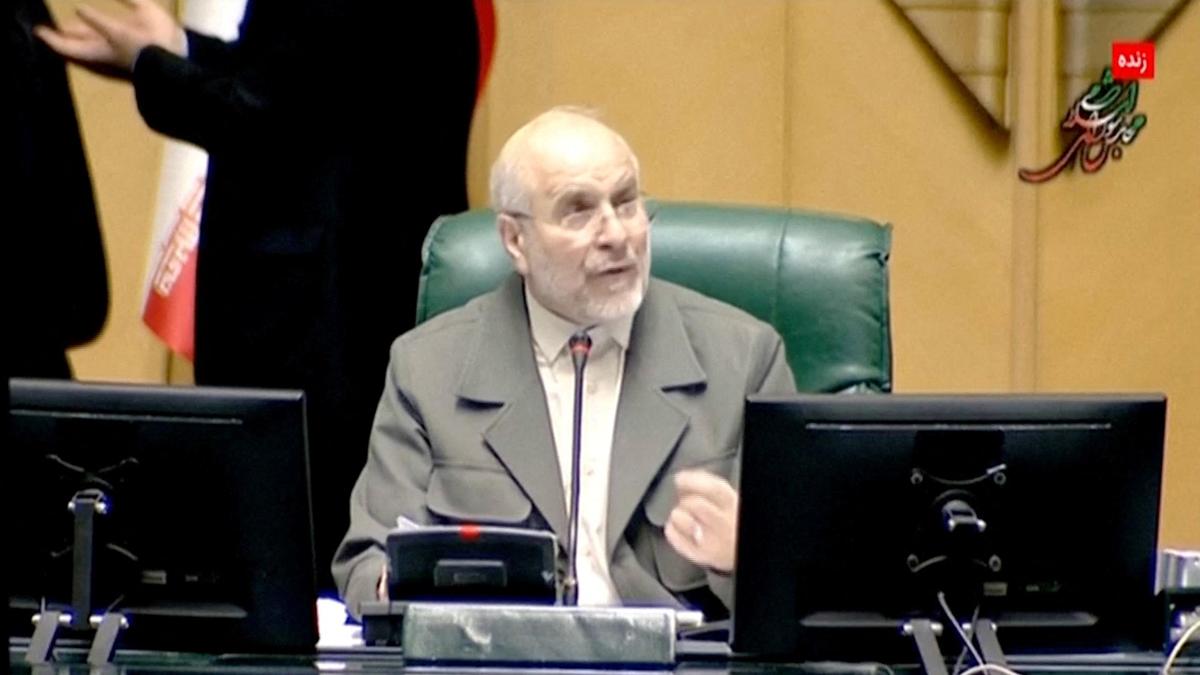
On March 24, 2026, Iran launched multiple missile attacks on Israel, triggering air raid sirens in Tel Aviv and causing damage in northern Israel. This escalation occurred despite U.S. President Donald Trump’s claim of “very good and productive” talks with Iranian officials and his postponement of a planned strike on Iran’s energy grid. However, Iran’s Parliament Speaker, Mohammad Baqer Qalibaf, denied any negotiations had taken place, accusing the U.S. of spreading “fakenews” to manipulate markets. The conflicting messages from Tehran and Washington are creating instability in global markets, with oil prices fluctuating wildly and U.S. Treasury yields rising.
Key Points:
- Iran launched multiple missile attacks on Israel, causing damage.
- President Trump claimed productive talks with Iran and postponed strikes on its energy grid.
- Mohammad Baqer Qalibaf, Iran’s Parliament Speaker, denied any negotiations with the U.S.
- Global markets are reacting to the conflicting information, with oil prices and U.S. Treasury yields fluctuating.
- Trump’s envoys, Steve Witkoff and Jared Kushner, reportedly held discussions with Iranian officials.
- Indirect negotiations are allegedly being facilitated by Egypt, Pakistan, and Gulf states.
- The Strait of Hormuz remains effectively closed since February 28, 2026, causing an energy shock.
- More than 2,000 people have died in the war.
Critical Analysis:
The events highlight a precarious situation where communication channels are unclear, and conflicting agendas are at play. Trump’s administration seems to be pursuing a dual-track approach: public threats coupled with back-channel diplomacy. This strategy, however, is undermined by Iranian officials denying any direct negotiations. The involvement of multiple intermediaries such as Egypt, Pakistan, and Gulf states suggests a complex web of interests and potential for miscommunication or manipulation. The timing of Iran’s missile attacks, despite reported diplomatic efforts, could indicate a deliberate attempt to exert pressure or undermine any potential deal.
Key Takeaways:
- The Iran-Israel conflict is escalating despite efforts to de-escalate.
- Conflicting narratives from the U.S. and Iran are creating uncertainty and instability.
- The energy market is highly vulnerable to disruptions in the Strait of Hormuz.
- The role of intermediaries in the conflict highlights the complex geopolitical landscape.
- The strategic communication from both sides is being used as a tool to manipulate markets and public perception.
Impact Analysis:
The continued conflict and uncertainty surrounding negotiations could have long-term implications:
- Global Energy Crisis: Prolonged closure of the Strait of Hormuz could lead to a severe energy crisis, impacting economies worldwide.
- Regional Instability: Escalation of the conflict could draw in other regional actors, leading to a wider war.
- Erosion of Trust: Conflicting messages from major players could erode trust in international diplomacy and institutions.
- Shift in Alliances: The involvement of Pakistan and Gulf states as intermediaries could indicate a realignment of alliances in the region.
- Economic Impact: Continued market volatility could hinder economic growth and investment globally.
 First Piper